

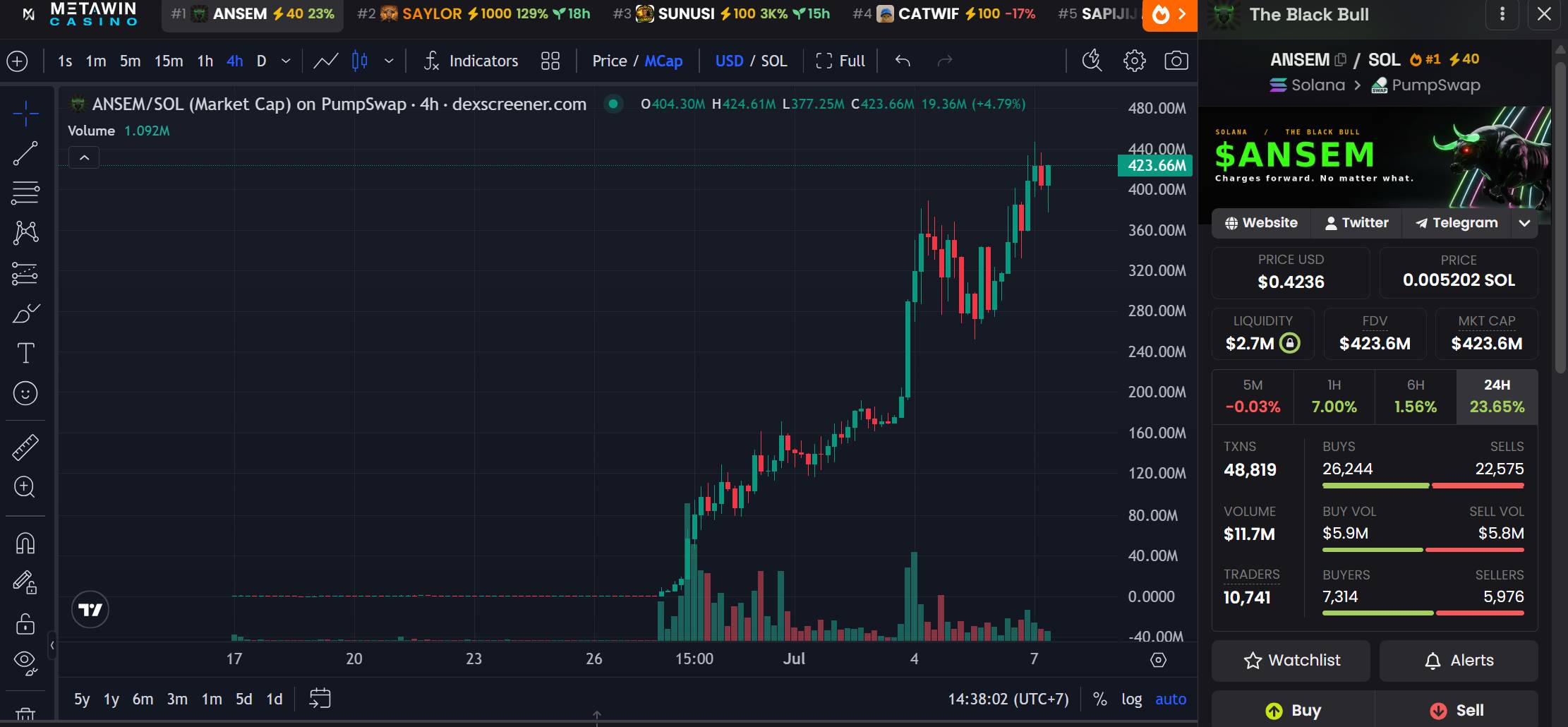
While most memecoins launched in 2026 have quickly faded into obscurity, ANSEM has emerged as one of the most notable Solana tokens of the year. Less than a month after launch, the token reached a market capitalisation of nearly $450 million on the morning of July 7, becoming one of the hottest memecoins of the first half of 2026.
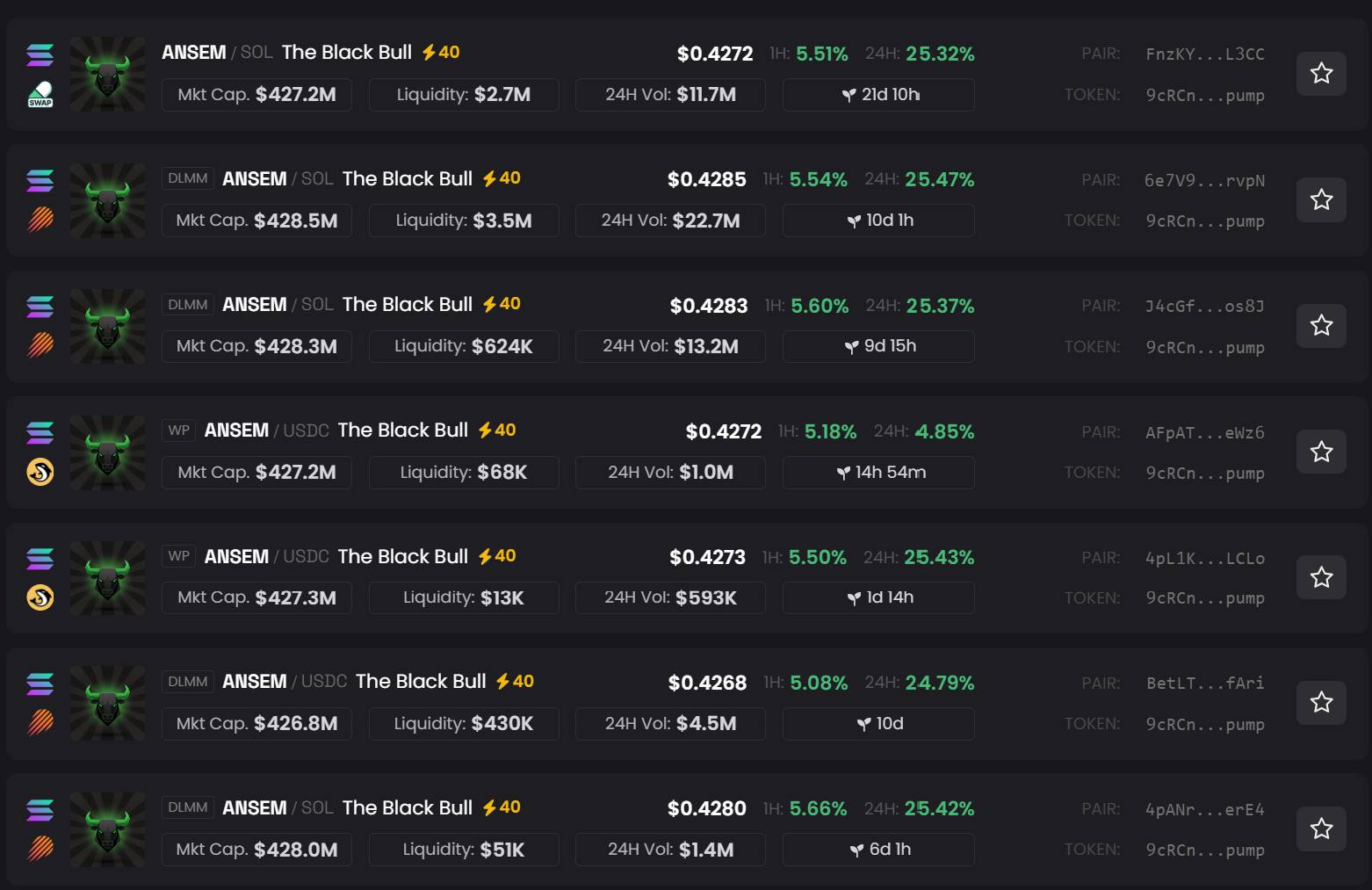
According to DEXScreener data, ANSEM is currently trading around $0.39, with a market capitalisation close to $400 million and more than $11.7 million in trading volume over the past 24 hours.
Statistics also show that most ANSEM investors remain profitable. According to Bubblemaps data, ANSEM has approximately 110,000–120,000 holding wallets, with 94–95% currently recording profits.
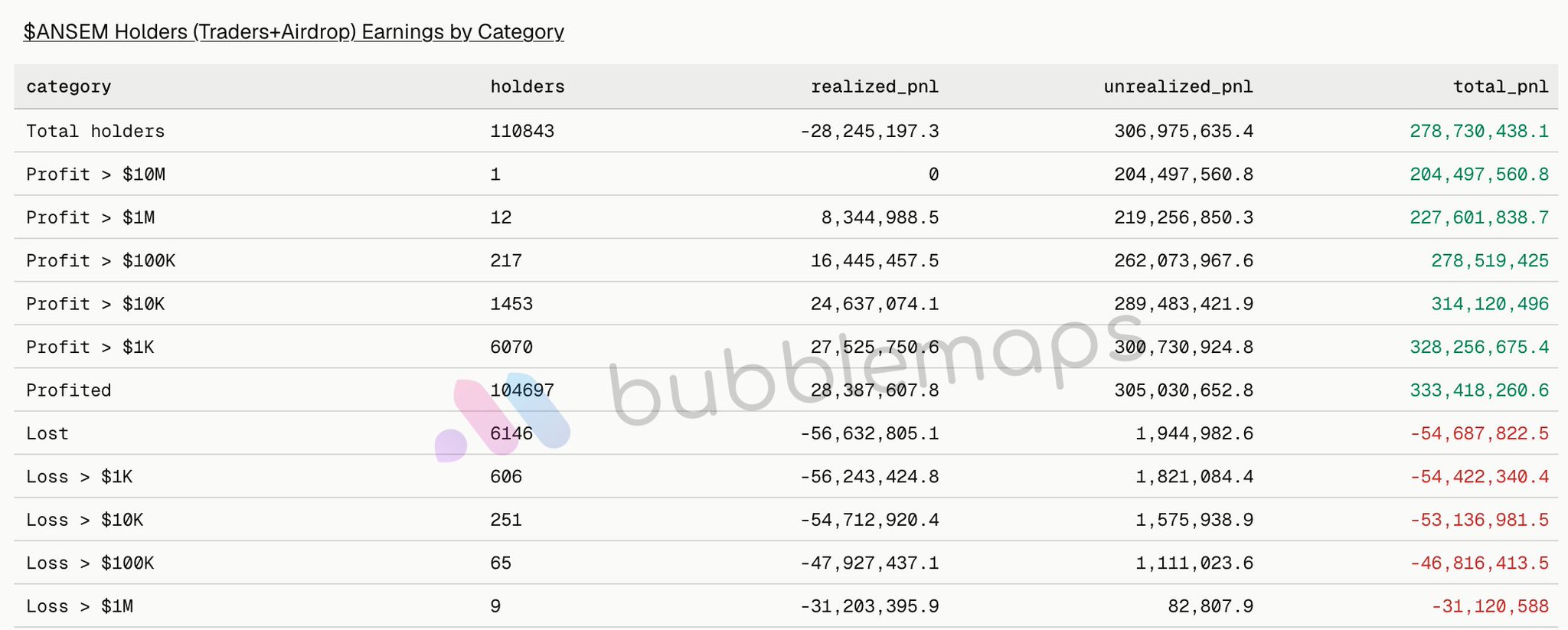
More specifically, 12 wallets are up more than $1 million, 200 wallets are up more than $100,000, around 1,500 wallets have gains above $10,000, more than 6,000 wallets are up over $1,000, and nearly 100,000 retail investors are still in profit.
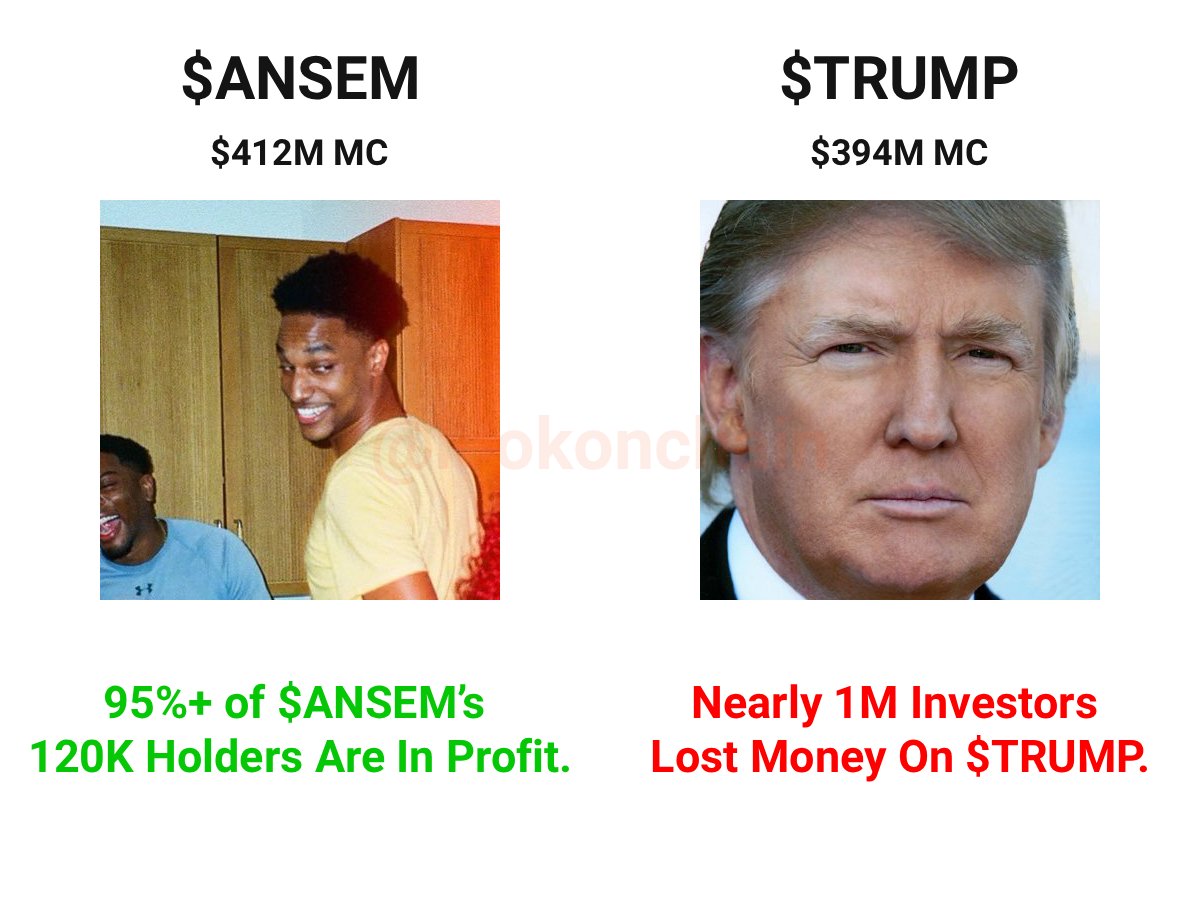
The sharp rally has also allowed ANSEM’s market capitalisation to surpass that of the TRUMP memecoin, at a time when the token associated with US President Donald Trump has continued to lose value after months of decline.
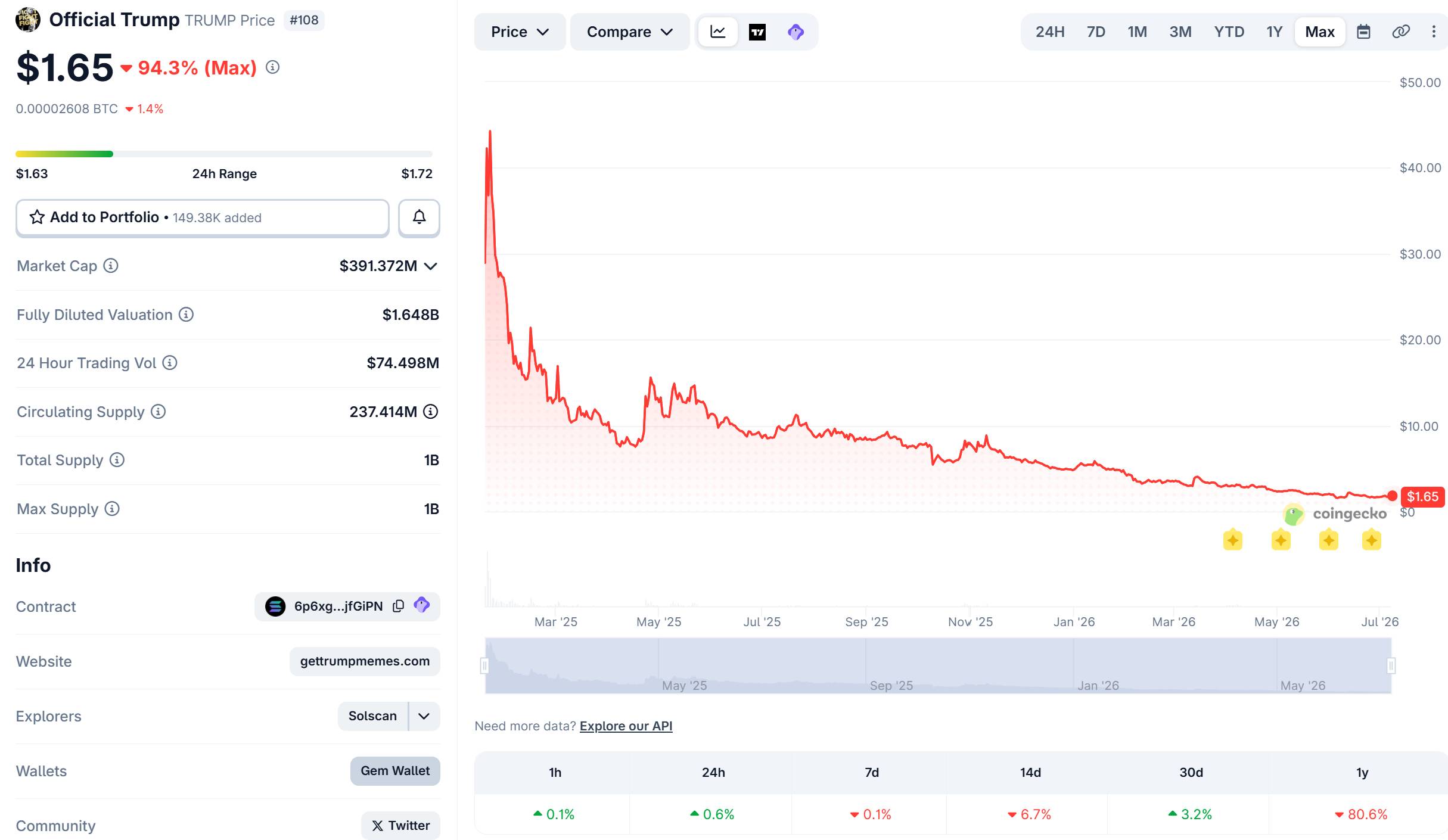
The situation for TRUMP holders is almost the complete opposite of that seen with ANSEM. Data from Nansen previously showed that nearly one million wallets were at a loss by the end of June after buying the token, with combined losses reaching approximately $3.8 billion. This represented around two-thirds of all users who had ever held TRUMP.
What Is ANSEM?
As previously reported, ANSEM is a Solana memecoin linked to the image of Ansem, whose real name is Zion Thomas, one of the best-known memecoin influencers in the Solana community.
Ansem became widely known in crypto circles for his early bullish calls on SOL during the previous cycle and for promoting memecoins such as WIF and BONK during their early stages.
However, Ansem was not the person who directly launched the token. ANSEM, officially named “The Black Bull,” was deployed by an anonymous wallet on pump.fun around mid-June 2026. The wallet reportedly spent around $6,300 to create the token, purchased a large portion of the supply and later sent approximately 650 million ANSEM to Ansem’s public wallet.
Normally, influencer-linked tokens of this kind are quickly ignored or heavily sold. In this case, however, Ansem did not sell the tokens sent to him. Instead, he turned them into an asset associated with his personal brand and began treating the allocation as a community treasury, repeatedly distributing tokens to users through airdrops.
This decision transformed ANSEM from a simple memecoin named after an influencer into a story centred on Ansem sharing value with the community that follows and supports him.
Airdrops Become the Main Growth Driver
One of the main reasons behind ANSEM’s rapid growth is its airdrop mechanism, which is being implemented through the Bullpen platform.
Unlike broad token distributions to thousands of inactive wallets, Bullpen requires users to connect their wallets with their X accounts in order to verify real contributions to the ecosystem. The system evaluates several criteria, including the amount of ANSEM held, trading frequency, the number of posts about the token, the reach of those posts and the engagement they generate.
This creates a powerful interaction loop: users buy the token → hold it → promote ANSEM → receive an airdrop → continue expanding the community. As a result, the model continuously attracts new users.
During a livestream on July 3, Ansem said that using Bullpen for airdrops was intended to ensure rewards were distributed to users genuinely engaged with the project rather than wallet addresses created solely to farm airdrops. He also encouraged users to link all wallets they had used so the system could fully recognise their transaction history and contribution levels.
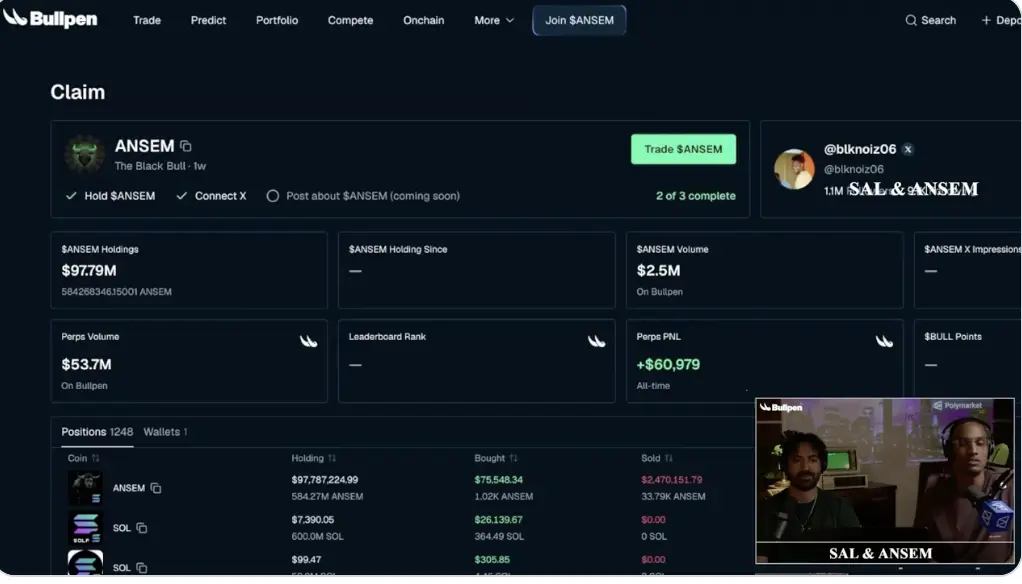
By the end of June, Ansem said that around $7 million worth of tokens had been distributed through multiple airdrops and pledged to expand the programme further as ANSEM’s market capitalisation increased. Some users have claimed that the total value of airdrops has already exceeded $13 million.
Ansem also stated that he plans to distribute other tokens sent to his wallet to the ANSEM community, turning tokens received from outside projects into rewards for ANSEM holders.
According to Ansem, the long-term goal is to reach one million holders within the next six months. Some community members believe that if the plan succeeds, it could become one of the largest token-promotion campaigns ever seen in the memecoin market.
An Experiment in Turning Reputation Into a Tradable Asset
According to the account @0xCryptoSam, this may be one of the clearest experiments so far in the concept of “tokenized reputation,” raising the question of whether an individual’s internet reputation and influence can become a tradable market asset.
Fundamentally, ANSEM does not represent revenue or ownership in a business. The token’s value is primarily derived from market confidence in Ansem’s influence and his ability to build and maintain an engaged community.
While many celebrity memecoins have sought to extract value from fans, ANSEM is experimenting with the opposite direction: turning an influencer’s reputation into an asset from which the community can potentially benefit.
@0xCryptoSam argued that a strong token usually combines three elements: coordination, incentives and amplification. In this model, ANSEM connects the community, the airdrop programme helps retain holders and encourages users to promote the project, while the token itself becomes a tool for expanding Ansem’s ecosystem.
If the model continues to work and is supplemented with additional utility or privileges for holders, ANSEM could develop beyond the limits of a typical memecoin.
Risks Remain as Ansem Is a Controversial Figure
Despite becoming a memecoin-market phenomenon, ANSEM still carries significant risks.
First and foremost, it remains a memecoin. The token currently has no revenue model, completed product or established intrinsic value. Most of its valuation is still based on narrative, community-driven FOMO and market confidence in Ansem’s influence.
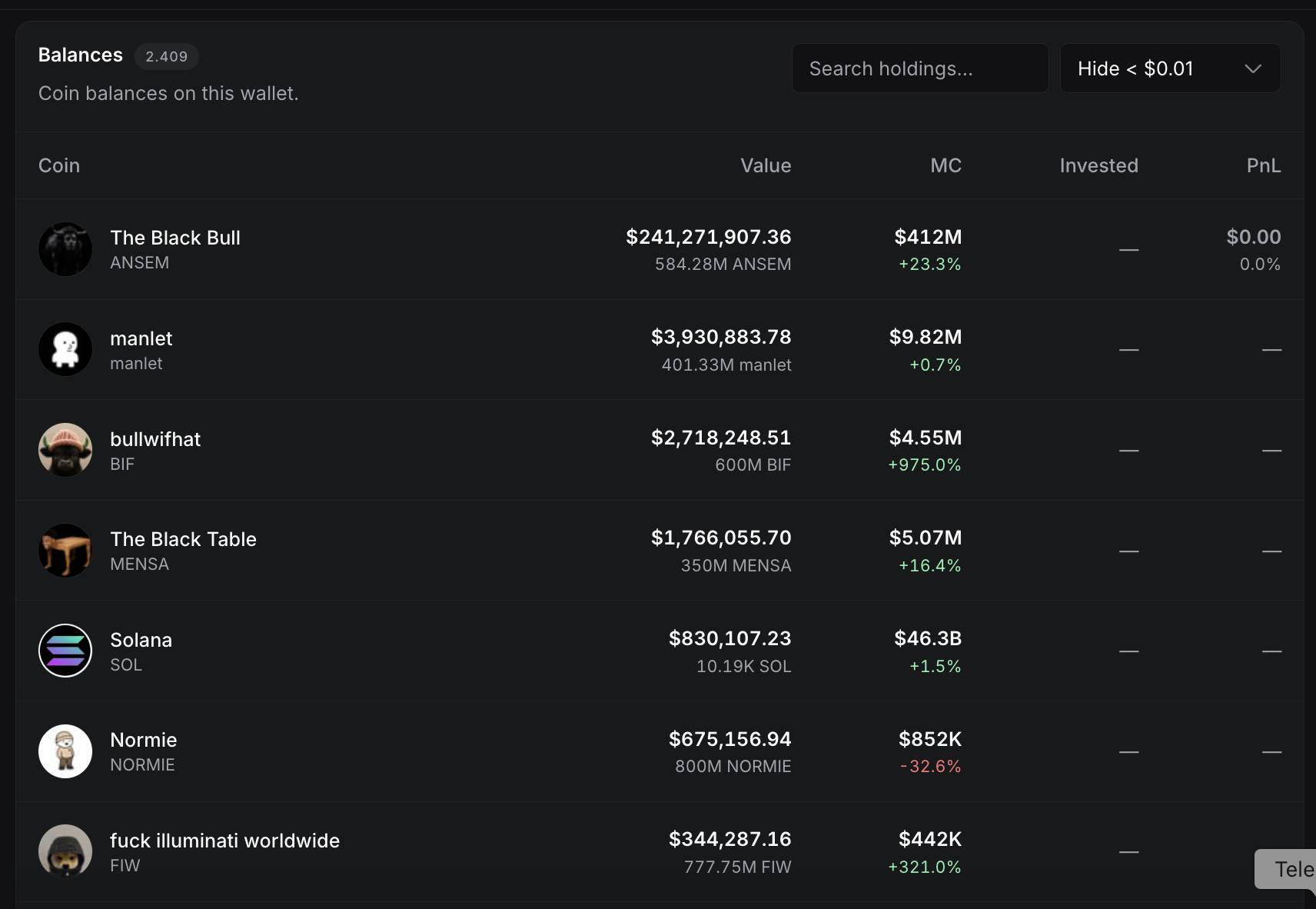
The biggest risk lies in supply concentration. Ansem’s wallet reportedly still holds around 60% of the supply, equivalent to more than $240 million at market prices. Although much of this allocation is being used for airdrops and community expansion, the fact that one wallet controls such a large share remains a major concern. Any change in distribution strategy or decision to sell could have a strong impact on the token’s price.
In addition, ANSEM’s real liquidity is much lower than its market capitalisation. At certain times, the token reached a valuation of hundreds of millions of dollars while total liquidity across trading pools was only around $10 million. This means investors holding large positions could struggle to exit without creating substantial selling pressure.
Beyond the debate around ANSEM itself, Ansem is also a highly controversial figure in the crypto community. At the end of 2024, on-chain investigator ZachXBT publicly criticised him for repeatedly promoting a range of low-cap memecoins such as BODEN, HOBBES, ZEUS and WYNN before most of those tokens collapsed, leaving many followers with losses.
Ansem later denied the accusations and said he was only sharing his personal investment views. To date, these claims have not resulted in any legal conclusion or official evidence.
Is ANSEM a Phenomenon or a Bubble?
The answer may depend on how Ansem uses the remaining ANSEM tokens in his wallet, currently valued at more than $240 million.
If ANSEM remains only an influencer-linked memecoin, the risk of a sharp decline when speculative capital exits will remain high. On the other hand, if the token continues to develop into a tool for community coordination, reward distribution, information sharing and additional holder privileges, ANSEM could become one of the most notable experiments in tokenising an influencer’s reputation in the crypto market.
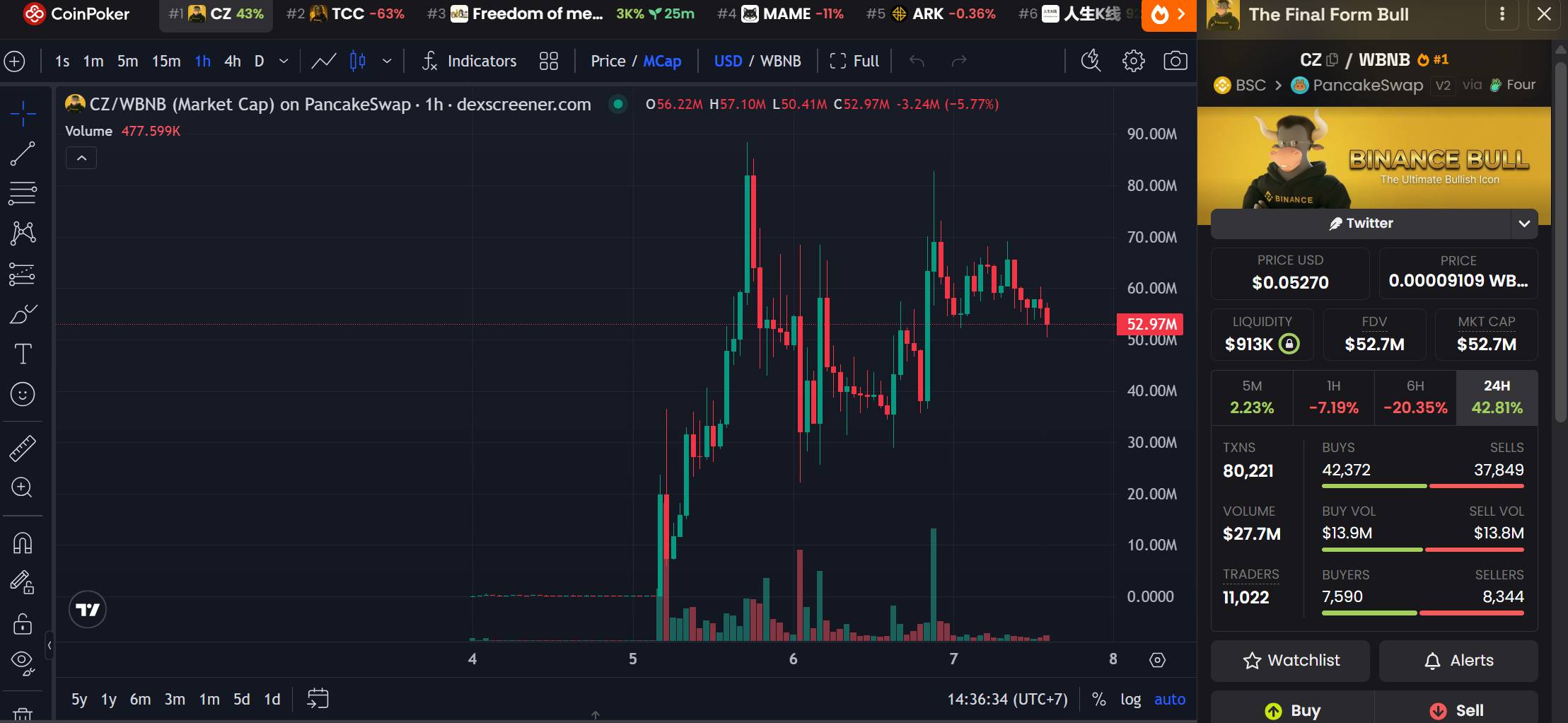
ANSEM’s rise over the past two weeks has also brought new energy back to the memecoin sector after several months of stagnation, triggering a wave of other tokens linked to crypto personalities. The latest example is the CZ token on BNB Chain.
Conclusion:
ANSEM is a notable experiment in tokenised reputation and community incentives, but its valuation remains highly dependent on speculation, Ansem’s influence and continued airdrop activity. The main risks are concentrated token ownership, limited liquidity and the potential for sharp selling pressure if sentiment shifts.
