

Top Pick
- Fully licensed and regulated US exchange
- Strong focus on security and compliance
- User-friendly interface for beginners
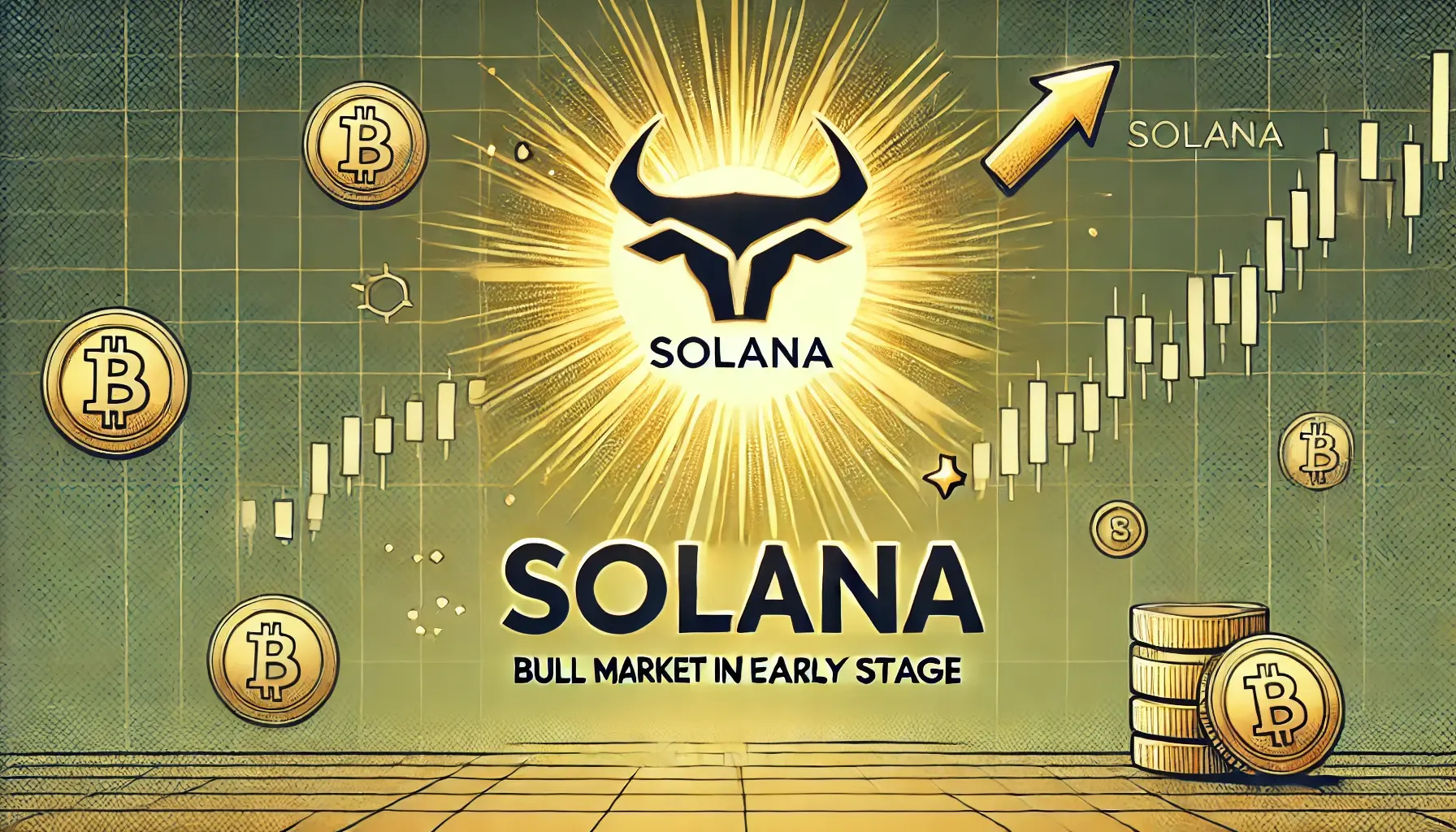
StonkFun has become a new focal point on Solana after moving new token launches to Raydium LaunchLab, allowing liquidity from the launchpad to flow directly into the Raydium ecosystem.

 By John Isige
 More and more tokenized assets are finding their way onto Solana. The blockchain recently recorded higher inflows than Ethereum. Government bonds, funds and other traditional assets are increasingly moving onto the blockchain.
 By John Isige
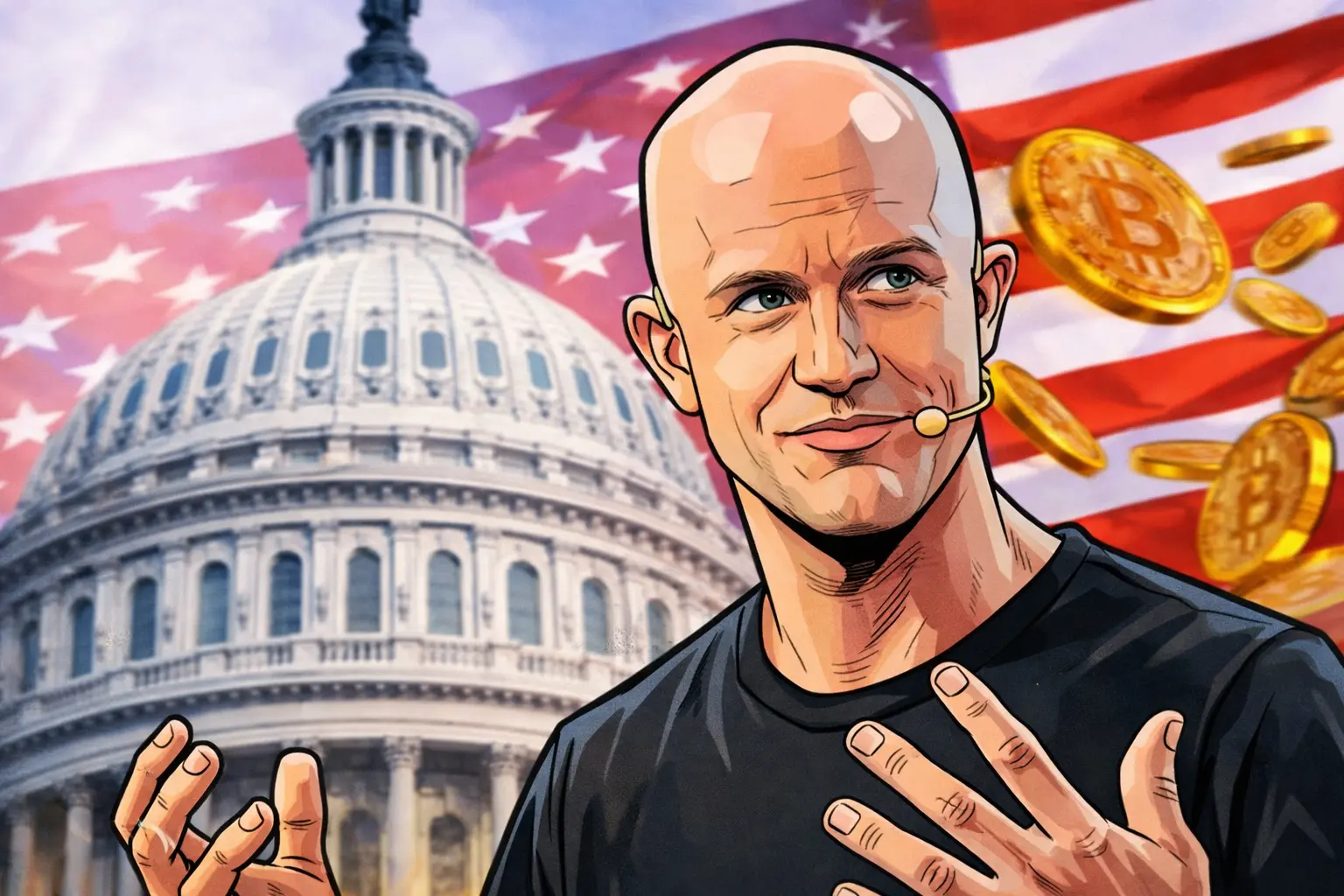
 Coinbase has filed registrations with the U.S. Securities and Exchange Commission as it seeks permission to offer perpetual contracts tracking publicly traded U.S. stocks.
 By John Isige
 Zcash climbed through $1,000 while Bitcoin briefly traded above $82,000 after a softer signal from Federal Reserve Governor Christopher Waller drew buyers back to risk assets. The move lifted the wider crypto market to its highest valuation in more than seven months, although strong US employment data later cooled the rally.
 By John Isige
 SLINK reached an estimated $80 million market capitalization after Elon Musk replied to a post from Neuralink executive Shivon Zilis's X account, which had reportedly been compromised. The memecoin then lost more than 97% of its value within minutes.
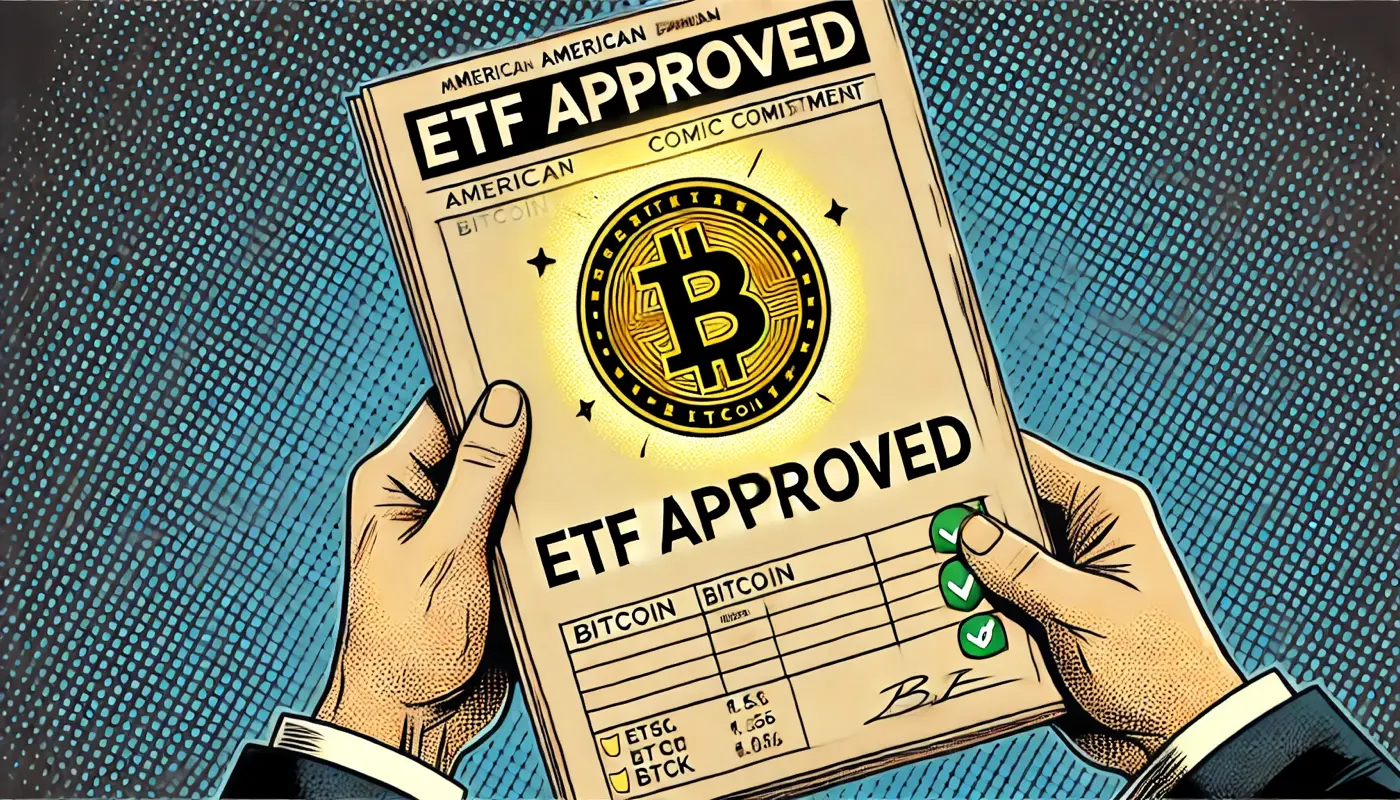
By John Isige Most major digital assets strengthened this week. Bitcoin traded near $81,000, up 3.2%, while Ether was around $2,500 (+0.6%), Tether at $1.0000 (–0.02%), BNB at $715 (+2.6%) and XRP at $1.44 (+3.3%). Total crypto market capitalization rose to approximately $2.71 trillion, while Bitcoin dominance eased to 59.6%. U.S. spot Bitcoin ETFs recorded $812.1 million in weekly net inflows, while spot Ether ETFs attracted $189.4 million.
 By John Isige
 The U.S. Securities and Exchange Commission is advancing three initiatives that could reshape the relationship between traditional securities and digital assets: preparations for round-the-clock trading, modernization of transfer-agent rules to account for blockchain technology, and a review of how new investment products, including crypto-linked ETFs, should be regulated.
 By John Isige
 Until mid-August, XRP/USD traded steadily lower within a long-term downtrend. Two weeks ago, the pair staged a strong corrective rebound after the US Treasury announced that it would increase the maximum size of long-end liquidity-support buybacks from $2.0 billion to at least $4.0 billion per operation, effective September 9. The measure is intended to improve Treasury-market liquidity rather than inject capital directly into cryptocurrencies. However, the initial decline in long-term yields supported a broader risk-on move, examined by FORECK.INFO in its recent analysis of the market reaction. XRP/USD reached the 1.6970 area before reversing lower. The pair is now approaching the 1.3060–1.2695 support zone, formed by the middle Bollinger Band and Murrey [5/8] level. A break below 1.2695 could open the way toward 1.1718, the Murrey [4/8] level, followed by 0.9765, the Murrey [2/8] level, and 0.7812, the Murrey [0/8] level. Conversely, consolidation above 1.5625, the Murrey [8/8] level, could support a recovery toward 1.7578, the Murrey [+2/8] level, and 1.9980, the 50.0% Fibonacci retracement.

 By Andrew Bennett
 Ethena has launched Ethena Pay, a self-custodial money app that brings digital-dollar balances, transfers and card spending into a neobank-style interface. Built on Avalanche, the product offers promotional annual rewards of up to 6% on eligible balances and up to 5% cashback in AVAX on qualifying purchases.


For crypto, the framework is similar to traditional financial markets but comes with its own twist. Here, price action turns on liquidity, adoption, regulation, and flows from institutions alongside retail sentiment. Network health—hash rate, staking, active wallets—adds another layer. Macro still matters too: rates, dollar strength, and risk appetite shape inflows and outflows. Then, as with any market, you use the chart—trend, support and resistance, momentum, and volume—to spot setups and manage risk.