CFTC Clarifies Tokenized Investments With Customer Funds
US futures brokers and derivatives clearing organizations may invest customer funds in tokenized versions of eligible assets, provided existing regulatory requirements are met.
US futures brokers and derivatives clearing organizations may invest customer funds in tokenized versions of eligible assets, provided existing regulatory requirements are met.
 By John Isige
Moody’s has begun providing its analytical data directly within blockchain infrastructure for the first time. The initial integration has been launched on the Canton Network.
 By Andrew Bennett
Tally, the governance platform that powered voting for more than 500 DAOs, including Arbitrum, Uniswap, and ENS, has announced that it is shutting down after six years of operation. CEO Dennison Bertram said the decision was driven by major shifts in the market.
 By Andrew Bennett
Payments giant Mastercard is accelerating the integration of digital assets. A new network of 85 companies aims to fundamentally reshape B2B payments and settlement processes. Mastercard is actively pushing the adoption of blockchain technology within the global payments infrastructure.
 By Andrew Bennett
U.S. exchange operator Nasdaq and Börse Stuttgart Group have announced a partnership to expand trading in tokenized assets across Europe. The plan is to connect trading venues through a unified blockchain infrastructure.
 By Andrew Bennett
Standard Chartered has introduced a blockchain-powered tokenized deposit solution for Ant International, allowing treasury transfers in HKD, CNH, and USD to be executed almost in real time. The launch makes the bank one of the first global financial institutions to integrate tokenized deposits into active corporate operations. Ant International is the initial client to implement the platform.
 By Andrew Bennett
A landmark moment for the crypto industry: JPMorgan, Circle, Galaxy, and Solana have issued a debt instrument on a public blockchain for the first time.
 By Andrew Bennett
Ethereum has completed one of its most significant scaling milestones to date: PeerDAS — a new data availability system introduced through the Fusaka upgrade — has reshaped how the network processes and verifies Layer-2 data. Vitalik Buterin described the innovation as “heroic engineering,” stating that PeerDAS demonstrates a new level of reliability inside Ethereum’s peer-to-peer network.
 By John Isige
The Layer-1 blockchain Tron (TRX) has also been under pressure since August, dropping as much as 26%. However, compared to many competitors, the decline remains modest. Over recent weeks, TRX managed to stabilize around $0.27, forming a slight recovery trend. This analysis outlines the chances of a sustainable reversal and highlights key price levels for traders.
 By John Isige
The STRK price is recovering rapidly and maintaining its upward trend. A breakout above the next resistance level could open the door to new upside targets.
 By Sagar Dua
JPMorgan Chase & Co. has started rolling out its blockchain-based deposit token, JPM Coin, for institutional clients. The move marks a major milestone in expanding traditional banking into the world of digital assets. The token represents U.S. dollar deposits held at the world’s largest bank and enables instant money transfers through Coinbase’s Base JPMorgan.
By John Isige Banks JPMorgan and DBS (Singapore) have begun jointly developing a framework that will allow clients to move tokenized deposits across multiple blockchain networks. The partnership brings together JPMorgan’s Kinexys digital payment platform and DBS’s Token Services to create infrastructure for direct cross-chain settlements without intermediaries.
 By John Isige
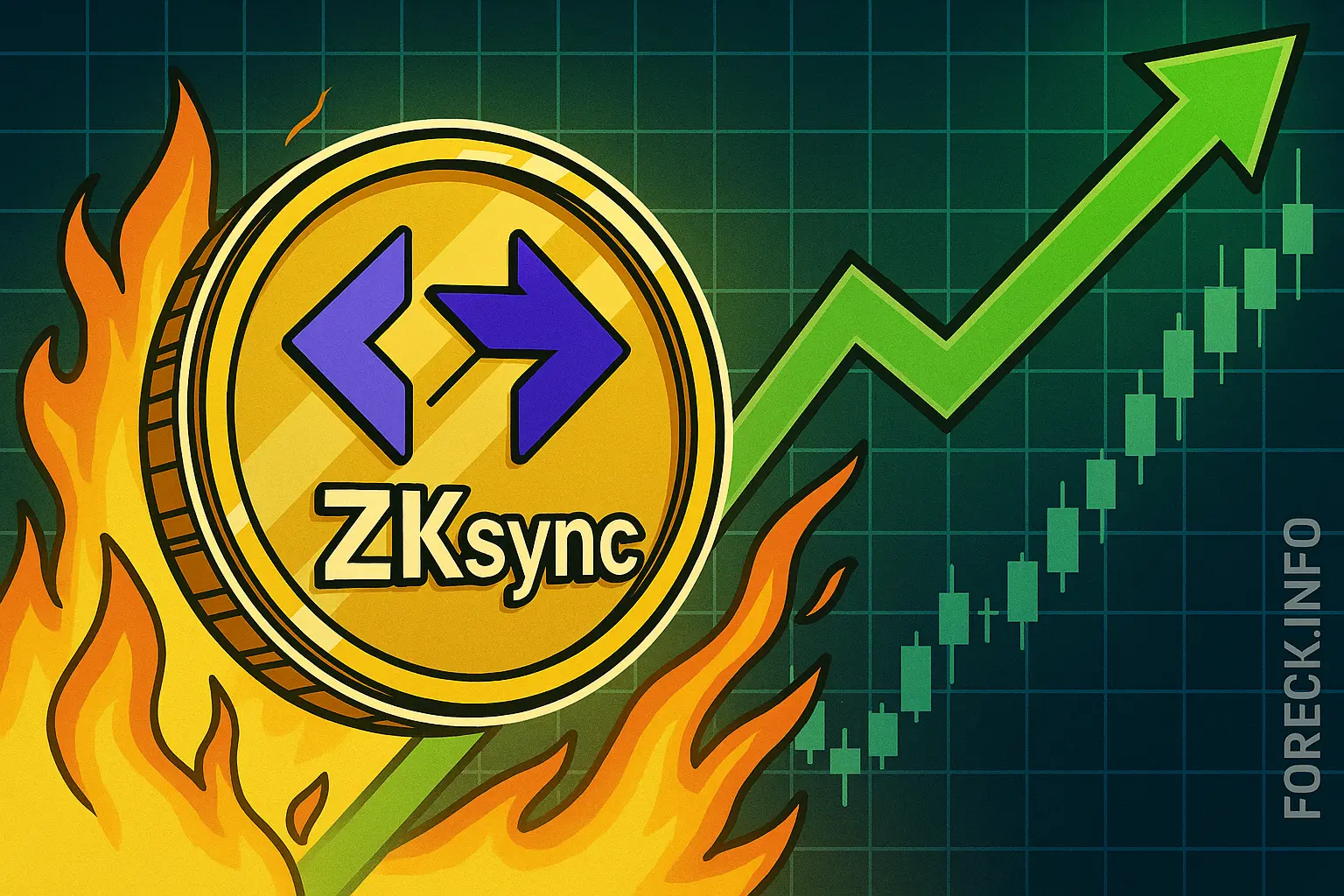
While most cryptocurrencies struggled through another turbulent month, ZKsync staged one of the most impressive rallies of the year. The network’s native token, ZK, surged more than 150% in November — jumping from a local low near $0.029 to a new peak of $0.075, its highest level since May 15.