

Top Pick
- Fully licensed and regulated US exchange
- Strong focus on security and compliance
- User-friendly interface for beginners

The cryptocurrency market strengthened earlier this week but came under sharp selling pressure on Thursday, erasing much of its previous gains. In the latest market snapshot, Bitcoin (BTC) is trading near 81600.00 (+0.9%), Ethereum (ETH) at 2400.00 (+2.1%), Tether (USDT) at 0.9991 (–0.01%), BNB at 744.00 (+5.1%) and XRP at 1.3250 (+4.8%). Total cryptocurrency market capitalization has declined to approximately $2.73 trillion, while Bitcoin dominance has increased to 60.0%. From October 19 to 22, US spot Bitcoin ETFs recorded net inflows of $439.1 million, while Ethereum ETFs saw outflows of $225.1 million. The market remains volatile despite the recovery attempt discussed in our previous crypto weekly review.

 By John Isige
Over the past month, major holders of Bitcoin sold more than 115,000 BTC worth $12.7 billion — the highest level since July 2022, according to CryptoQuant analyst “caueconomy.”
 By John Isige
A research manager at crypto analytics firm Messari sparked heated debate over the weekend after declaring that Ethereum is “dying” and that its fundamentals are collapsing. But is ETH really on the brink?

 By Andrew Bennett
Bitcoin (BTC) managed to stabilize over the past trading week and added two percentage points to $111,300. By contrast, the second-largest cryptocurrency, Ethereum (ETH), shed another three percent. Here’s which key economic data in the new trading week are in focus for investors and could move crypto markets.
 By John Isige
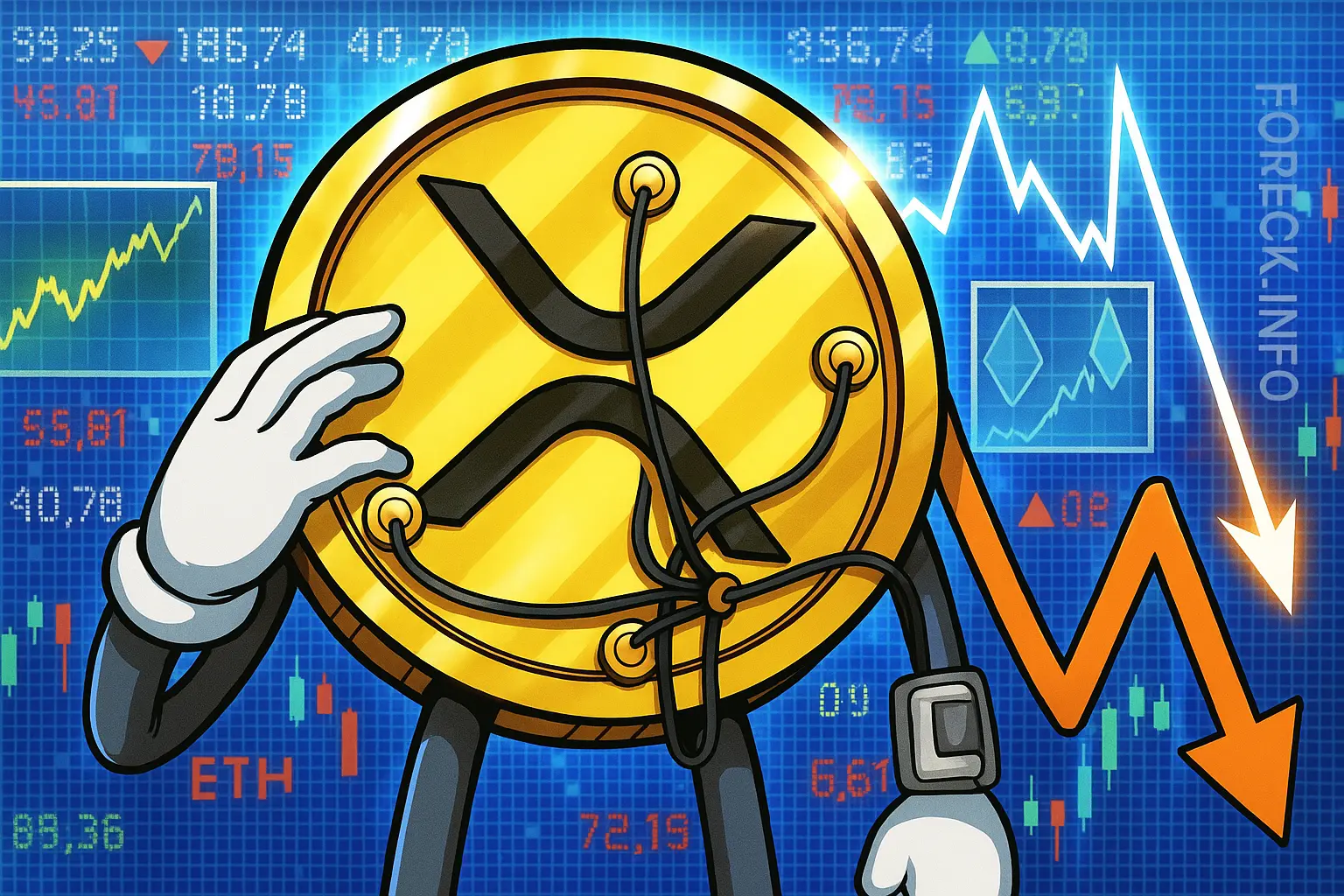
After Ripple’s legal win against the SEC, XRP has yet to show a strong price rally. Still, the new regulatory clarity has sparked optimism. Speculation around spot ETFs, fresh treasury buyers, and even a potential Ripple IPO is pushing expectations for Q4 2025 higher. But following overly bullish forecasts could turn into an expensive mistake.
 By John Isige
Many traders expect Bitcoin to hit its peak in the fourth quarter. Analyst PlanC warns that historical halving cycles don’t actually support this assumption.
 By John Isige
Stablecoins are gaining popularity as they offer businesses faster, cheaper, and more reliable payments compared to traditional systems, Stripe CEO Patrick Collison said.
 By John Isige
Stablecoin infrastructure provider Paxos has unveiled a proposal to launch USDH, the first stablecoin in the lineup of Hyperliquid, the largest decentralized crypto derivatives exchange.
 By John Isige
Tether Reports 250,000 Gold-Backed Tokens in Circulation, Eyes US Market Entry
By John Isige Tether is holding around $8 billion worth of gold in a private vault in Switzerland, according to Bloomberg. The company has also invested in blockchain analytics firm Crystal Intelligence to step up efforts against illicit use of USDT.
 By John Isige
According to the Financial Times, the USDT stablecoin issuer has been in talks about potential investments in gold mining and related operations.
 By John Isige
Despite a market capitalization of 95 billion US dollars, Strategy was left out, while Robinhood made the cut.
 By John Isige
BaFin chief Mark Branson stayed consistent in his latest remarks at the Handelsblatt Banking Summit: greater accessibility through retail banks does not make Bitcoin, Ethereum, and other cryptocurrencies better investments. He repeated that cryptocurrencies have “no inherent value” and are “more casino than investment.” These soundbites, framed under consumer protection, fail to reflect reality. While criticism of certain industry practices is justified, in 2025 a more nuanced view of the asset class is needed if Germany wants to overcome prejudice and prepare for the future. With such a shallow discussion of blockchain and the reinforcement of outdated clichés, it is no surprise that Germany risks falling further behind the U.S.


For crypto, the framework is similar to traditional financial markets but comes with its own twist. Here, price action turns on liquidity, adoption, regulation, and flows from institutions alongside retail sentiment. Network health—hash rate, staking, active wallets—adds another layer. Macro still matters too: rates, dollar strength, and risk appetite shape inflows and outflows. Then, as with any market, you use the chart—trend, support and resistance, momentum, and volume—to spot setups and manage risk.