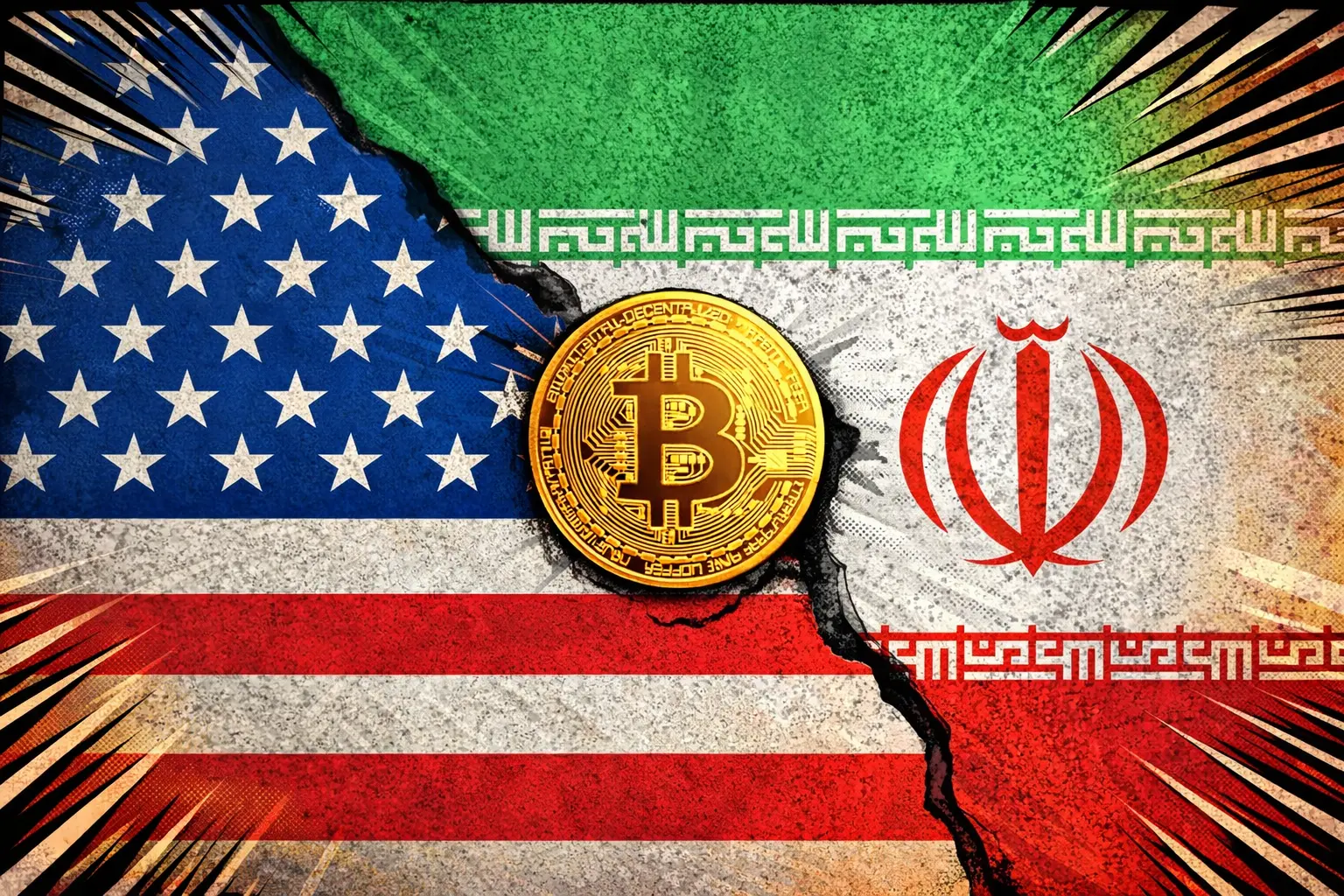

Although markets have shifted into risk-off mode amid the escalation in the Middle East, Bitcoin, Ethereum, and other cryptocurrencies are showing surprising resilience. The conflict is pushing global markets deeper into crisis mode: oil prices are rising, air traffic across parts of the Gulf region is restricted, and fears of a broader confrontation are intensifying. Yet after an initial sell-off, Bitcoin has rebounded strongly. For selected altcoins and crypto segments, the Iran conflict could even provide indirect tailwinds—particularly where 24/7 trading and heightened volatility translate directly into higher revenues. We asked experts for their assessment of the situation.
Surprising Stability in Bitcoin
Following the initial shock, BTC dropped below 64,000 US dollars but quickly stabilized and recently climbed back to 70,000 US dollars. The heavily sold-off cryptocurrency is therefore holding up better than expected.
Martin Leinweber, Director of Digital Asset Research & Strategy at index provider MarketVector Indexes, shares this view but also issues a warning: “At first glance, this looks positive. However, it also suggests that the market is pricing in Iran’s relatively weak position and expecting a swift de-escalation. If that expectation is disappointed, the correction potential would be correspondingly larger.”
Oil, Inflation, and Interest Rates
Leinweber identifies three key transmission channels. First, the initial risk-off reaction, which leads to liquidity outflows. Second, oil and energy prices, which influence inflation expectations and, in turn, monetary policy over the medium term. Third, the strength of the US dollar: in stress scenarios, the greenback typically appreciates, putting pressure on emerging markets and crypto assets.
Over the coming weeks, the picture remains nuanced:
“The decisive factor is whether the conflict significantly impacts energy markets. If oil prices rise sustainably, inflationary pressure increases—and that could dampen expectations for Fed rate cuts. Fewer rate cuts mean less liquidity, which would weigh on risk assets.”
Hyperliquid as a Potential Beneficiary?
While Bitcoin in such phases is primarily traded on macroeconomic expectations and risk appetite, the altcoin sector is once again highlighting the value of 24/7 trading—bringing perpetual futures platform Hyperliquid into focus. Thanks to HIP-3, users can trade not only crypto assets but also equities, private companies, and commodities.
Florian Döhnert-Breyer, co-founder and managing director of Berlin-based crypto fund F5 Crypto, calls this “the clearest crypto winner narrative so far amid the Iran escalation.” He explains: “On Hyperliquid, oil perpetuals rose around five percent over the weekend to 70.6 US dollars—before traditional futures markets even opened.”
According to him, volatility on the perpetuals platform is directly converted into cash flows, which are then used for token buybacks. This illustrates a business model that can partially decouple from BTC price movements during such periods. He expects this trend to intensify going forward and concludes: “We view Hyperliquid as fundamentally strong and currently investable.”
Conclusion
Martin Leinweber largely agrees: “Platforms offering 24/7 liquidity like Hyperliquid have a structural advantage over traditional markets when events occur outside regular trading hours.” In regions with capital controls or restricted banking access, privacy coins such as Monero or Zcash could also gain relevance. Bitcoin itself could benefit in the medium term as “digital gold,” although he notes that this correlation still needs to be consistently proven.
In the short term, the Iran war represents primarily a risk-off event for Bitcoin and the broader crypto market—with oil prices potentially acting as an accelerant for inflation and rate expectations. This could lead to further outflows from the sector. Fundamentally, however, little has changed. Certain crypto assets may even benefit. The escalation once again underscores the use case of platforms like Hyperliquid (as well as others such as Ostium), where markets remain open around the clock. Bitcoin and privacy coins could also gain support from rising concerns over sanctions and aggressive monetary or fiscal measures.