

Bitcoin is currently trading around 71,000$, showing modest daily gains. However, on a weekly basis, the asset is still down more than 4%. The decline followed strong volatility caused by geopolitical escalation and short-term liquidations.
New optimism emerged following reports from Washington that a 15-point plan to resolve the conflict was delivered to Tehran via Pakistan. At the same time, a potential ceasefire is being discussed. Earlier, US President Donald Trump stated that talks were underway with the “right people” in Iran. Markets reacted immediately: oil prices declined, equities moved higher, and the US dollar weakened.
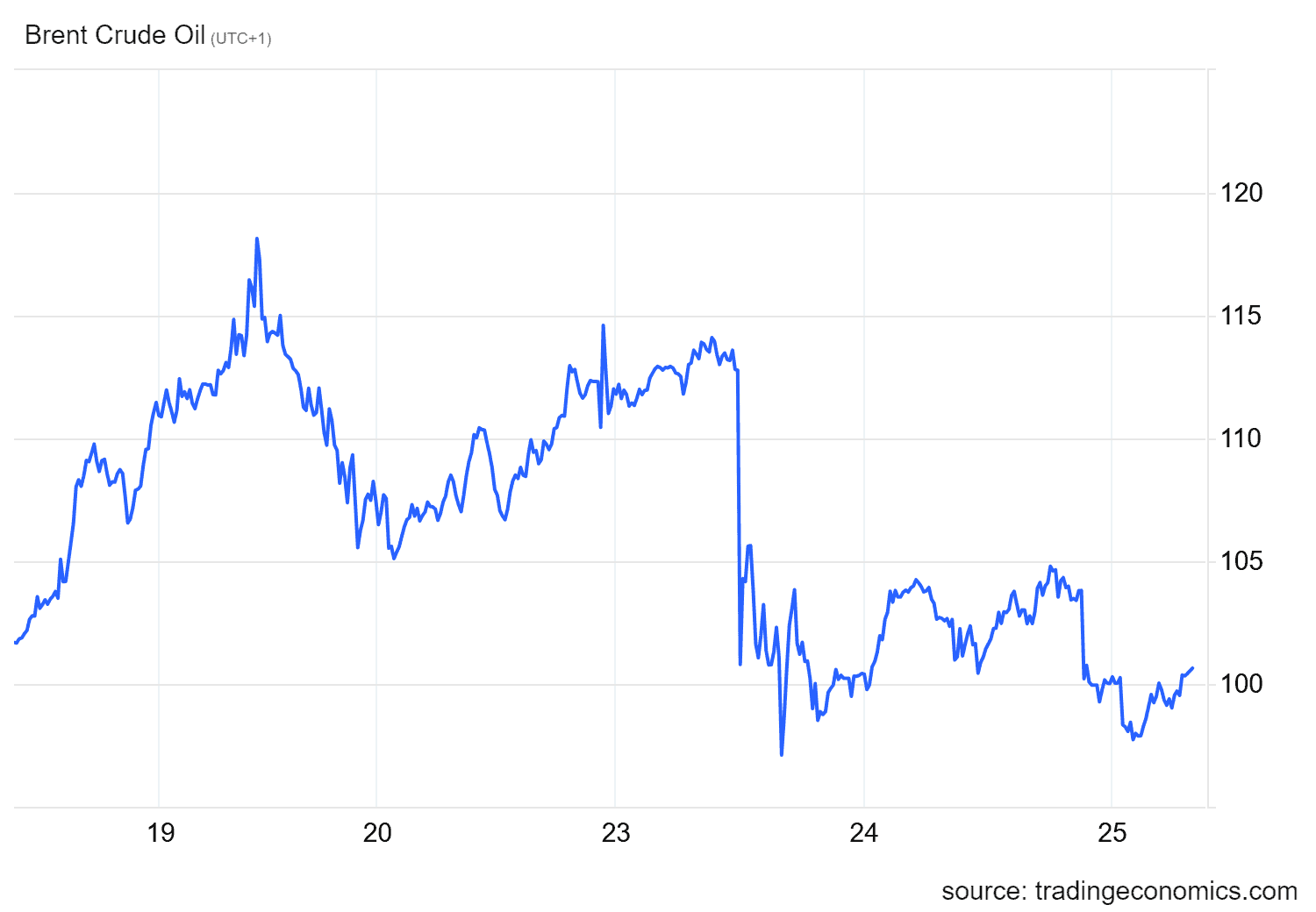
The drop in oil prices toward 100$ is seen as an important signal for investors. Lower energy costs could ease inflation pressure, increasing the likelihood that the Federal Reserve refrains from further rate hikes. Risk assets, including cryptocurrencies, typically benefit from such conditions.
Bitcoin has so far shown resilience, holding above the key psychological level of 70,000$ for several days. However, a clear bullish momentum has yet to emerge. According to analytics firm Wintermute, relief could follow if shipping in the Strait of Hormuz normalizes and oil prices stabilize around 100$. In that scenario, BTC could test the resistance zone between 74,000$ and 76,000$.

Altcoins remain weaker, with Ethereum, XRP, and other major cryptocurrencies still in weekly losses. Market direction will largely depend on political developments. Investors are also watching inflation expectations and US consumer confidence data, which may set the tone for markets in the coming days.
