


Top Pick

- Fully licensed and regulated US exchange
- Strong focus on security and compliance
- User-friendly interface for beginners

The cryptocurrency market strengthened earlier this week but came under sharp selling pressure on Thursday, erasing much of its previous gains. In the latest market snapshot, Bitcoin (BTC) is trading near 81600.00 (+0.9%), Ethereum (ETH) at 2400.00 (+2.1%), Tether (USDT) at 0.9991 (–0.01%), BNB at 744.00 (+5.1%) and XRP at 1.3250 (+4.8%). Total cryptocurrency market capitalization has declined to approximately $2.73 trillion, while Bitcoin dominance has increased to 60.0%. From October 19 to 22, US spot Bitcoin ETFs recorded net inflows of $439.1 million, while Ethereum ETFs saw outflows of $225.1 million. The market remains volatile despite the recovery attempt discussed in our previous crypto weekly review.
 By John Isige
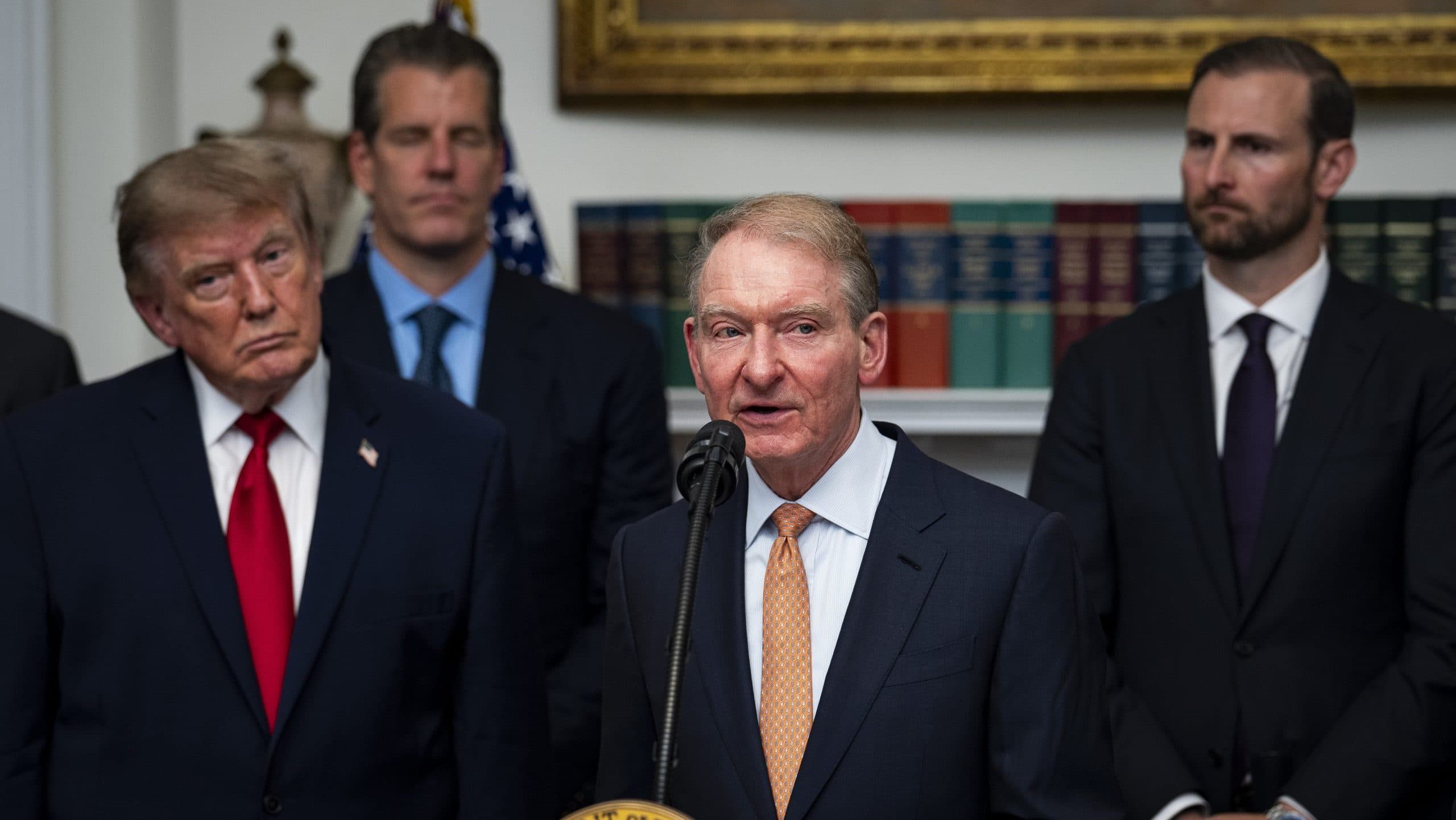
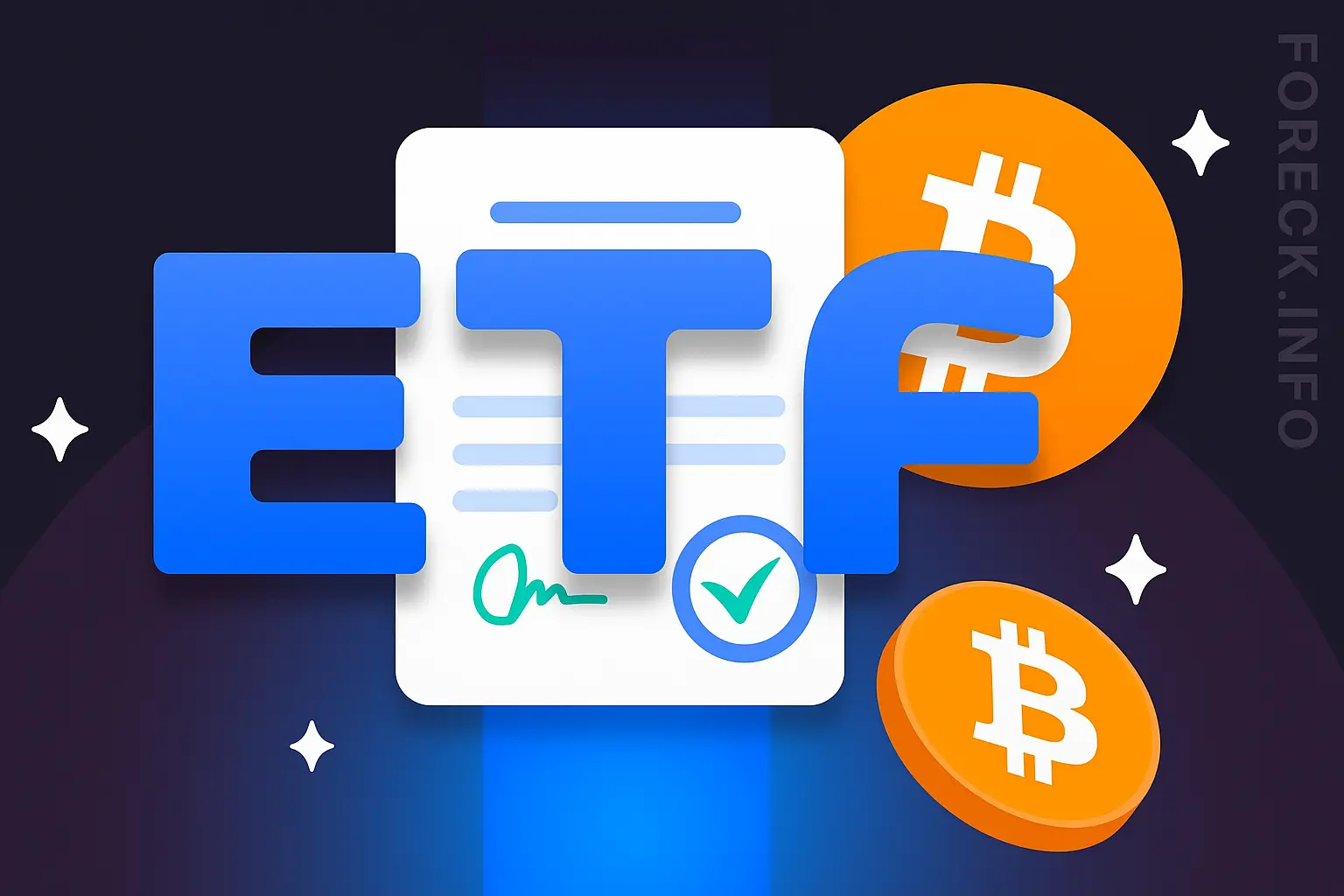
 On June 23, 2025, spot Bitcoin and Ethereum ETFs in the U.S. recorded combined net inflows of $451.21 million, according to SoSoValue. This substantial capital movement came amid a volatile crypto market, which saw a sharp sell-off quickly followed by a rebound
 By John Isige
 Israeli authorities in Tel Aviv have arrested a local man on suspicion of spying for Iran in exchange for cryptocurrency payments, according to a joint statement by Israeli police and the Shin Bet security service. The arrest highlights ongoing cyber and intelligence tensions between Israel and Iran.
 By John Isige
 British mining and exploration company Panther Metals has announced the establishment of a bitcoin treasury worth £4 million (approximately $5.4 million). The move marks one of the first major bitcoin treasury deployments by a UK-listed mining firm and immediately sent Panther’s shares soaring nearly 10% on the news.
 By John Isige
 Anchorage Digital has announced a new integration with Uniswap Labs, bringing Uniswap’s trading API directly into the Porto wallet interface. The partnership aims to simplify decentralized finance (DeFi) for institutional investors, enabling seamless, secure token swaps without leaving the Anchorage ecosystem.
 By John Isige
 Hong Kong-based family office VMS Group, managing $4 billion in assets for regional billionaires, is preparing to make its first foray into the cryptocurrency sector. According to Bloomberg, managing partner Elton Cheung revealed that VMS plans to allocate up to $10 million to strategies run by crypto hedge fund Re7 Capital.
 By John Isige
 Bitcoin has surged past $106,000 after plunging to $98,500 on Sunday—its lowest level in six weeks. The recovery followed a statement from the U.S. President announcing a full ceasefire between Israel and Iran, easing market anxiety and fueling renewed institutional demand for the leading cryptocurrency. With the market now debating whether BTC can break through $110,000 or faces another correction, volatility remains in focus.
 By John Isige
 After a volatile weekend that saw Bitcoin briefly dip below the key psychological mark of $100,000, investor sentiment remains cautious despite a modest rebound. Leading crypto analyst Ryan Li from Bitget Research offers his insights and forecasts for BTC and ETH for the coming week, as well as their prospects for the rest of 2025.
 By John Isige
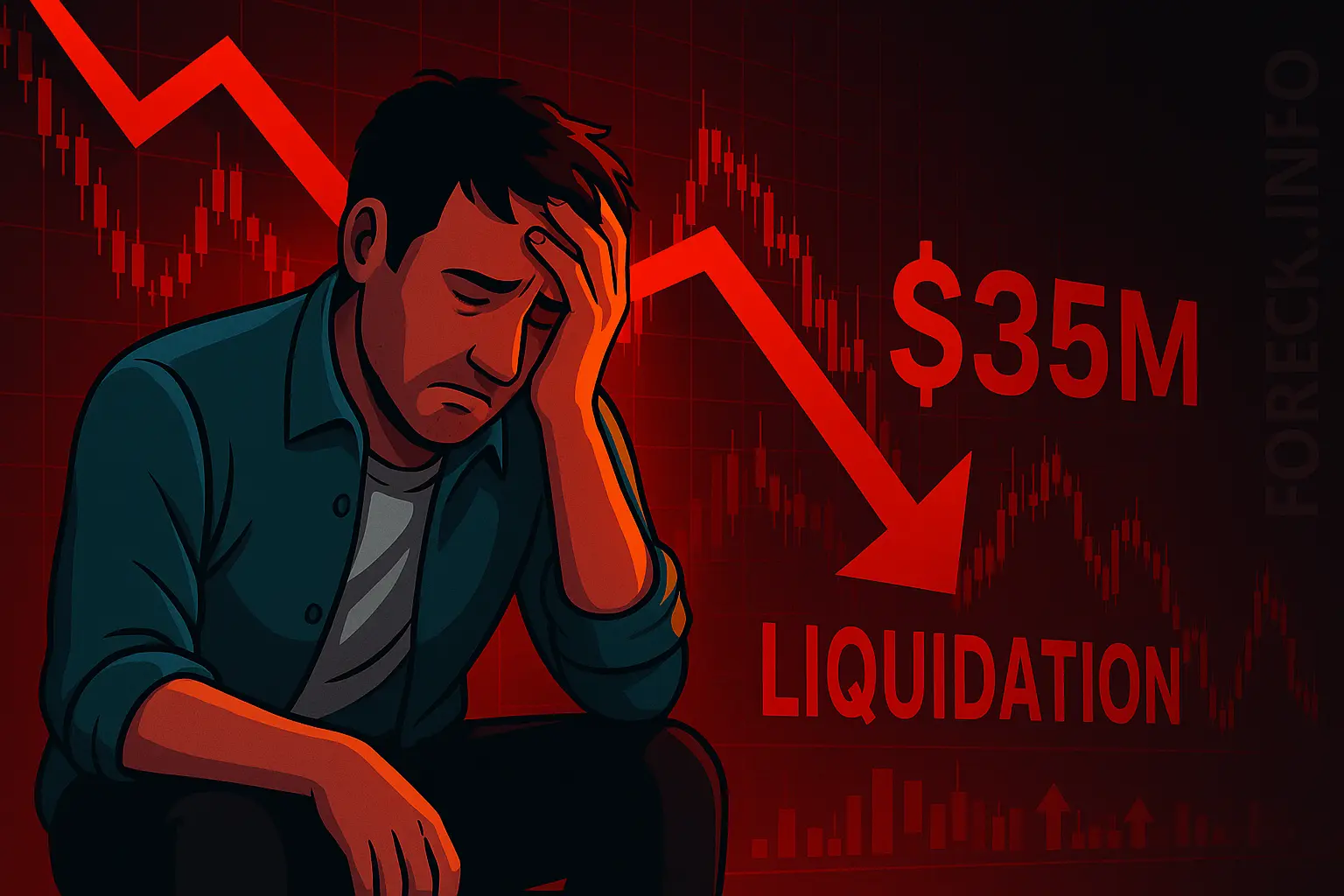
 In a cautionary tale for the crypto markets, pseudonymous trader AguilaTrades lost more than $35 million trading futures on Hyperliquid, as detailed by analysts at Lookonchain. The saga underscores the extreme risks and volatility inherent in high-leverage crypto speculation.
 By John Isige
 Coinbase has officially become the first U.S.-based cryptocurrency exchange to secure a license under the European Union’s Markets in Crypto-Assets (MiCA) regulation. The company completed registration with Luxembourg’s financial regulator, the CSSF, positioning Luxembourg as its new regional hub for EU operations.
 By John Isige
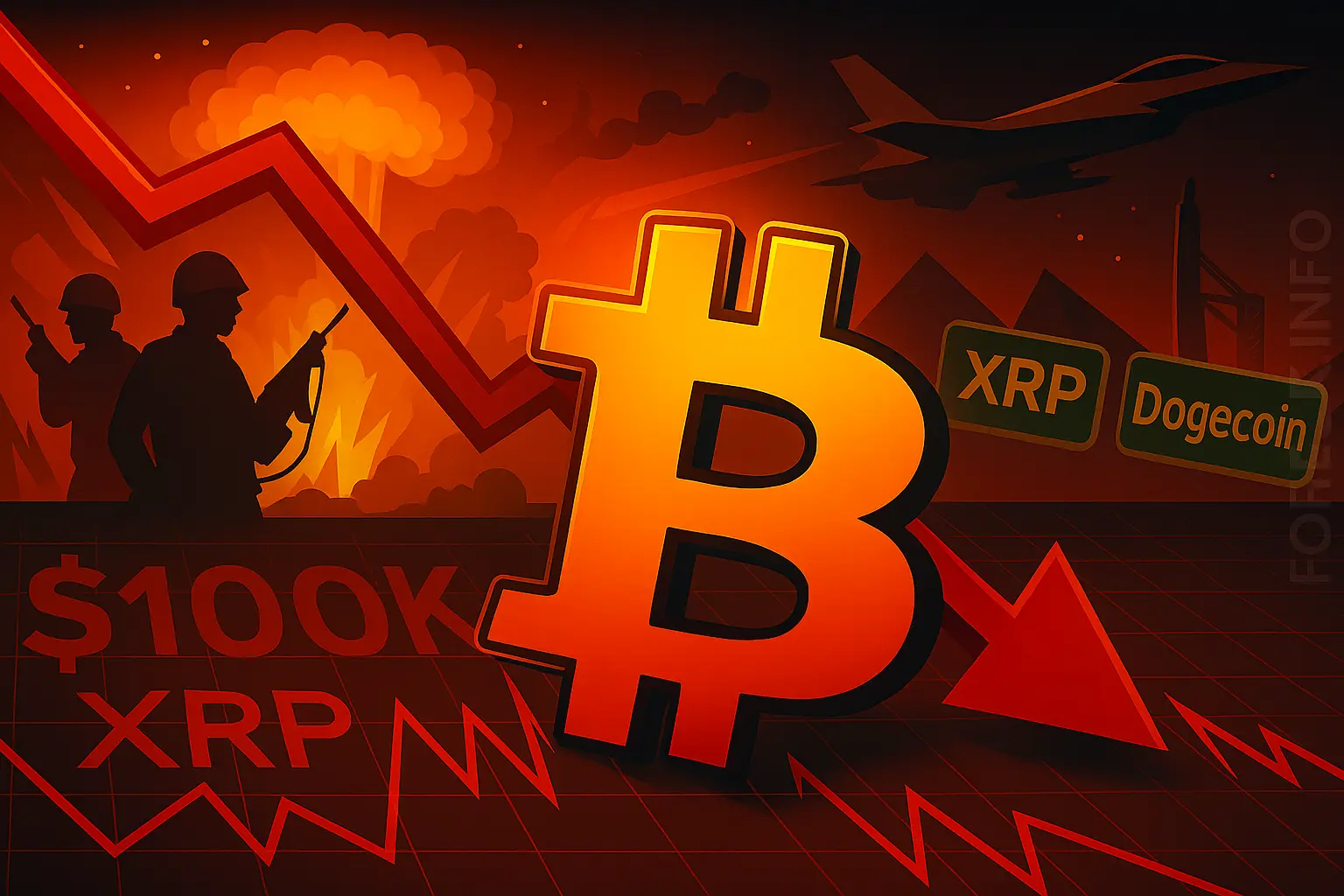
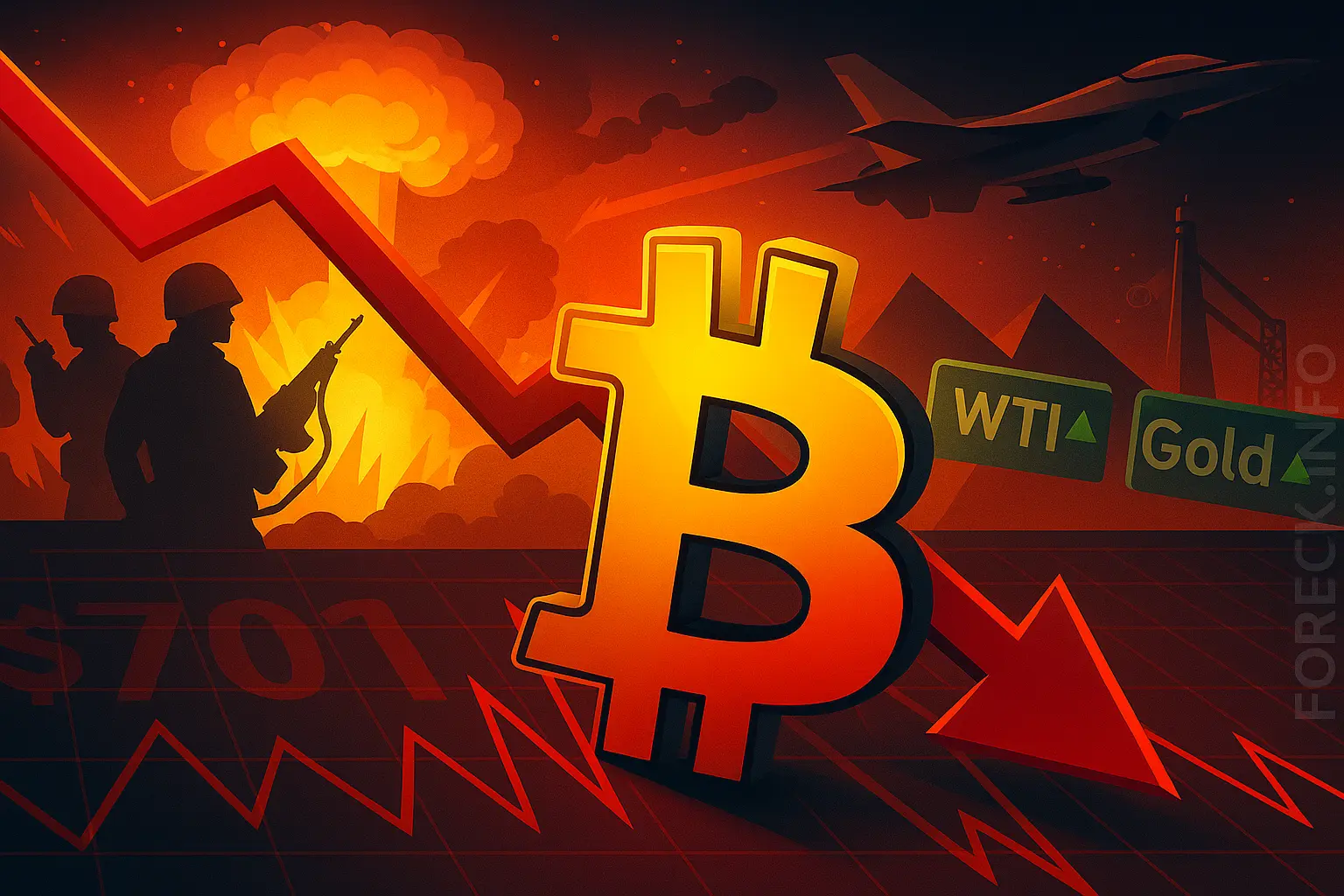
 A fresh wave of sell-offs swept the cryptocurrency market Sunday morning, pushing Bitcoin below the $99,142 mark for the first time since early May. Ethereum tumbled 10% in 24 hours, and leading altcoins like Solana, XRP, and Dogecoin slid to two-month lows. The panic was triggered by a dramatic escalation in Middle East conflict: after President Donald Trump announced a series of airstrikes on three Iranian nuclear sites (Operation Midnight Hammer), markets responded with mass liquidations.
 By John Isige
 On Sunday morning, the cryptocurrency market suffered a sharp downturn following U.S. President Donald Trump’s order for airstrikes on three Iranian nuclear facilities. The escalation in Middle East tensions triggered a wave of liquidations across major derivatives exchanges, totaling $701 million, and sent leading cryptocurrencies tumbling.
 By John Isige
 Police in Jasper County, Texas, have successfully recovered $25,000 that local residents almost lost to phone scammers threatening “legal action” and demanding payment via a bitcoin ATM. The rapid response by law enforcement not only saved the family’s funds but also highlighted the growing challenge of crypto-related fraud in the region.


For crypto, the framework is similar to traditional financial markets but comes with its own twist. Here, price action turns on liquidity, adoption, regulation, and flows from institutions alongside retail sentiment. Network health—hash rate, staking, active wallets—adds another layer. Macro still matters too: rates, dollar strength, and risk appetite shape inflows and outflows. Then, as with any market, you use the chart—trend, support and resistance, momentum, and volume—to spot setups and manage risk.