


Top Pick
- Fully licensed and regulated US exchange
- Strong focus on security and compliance
- User-friendly interface for beginners

The cryptocurrency market strengthened earlier this week but came under sharp selling pressure on Thursday, erasing much of its previous gains. In the latest market snapshot, Bitcoin (BTC) is trading near 81600.00 (+0.9%), Ethereum (ETH) at 2400.00 (+2.1%), Tether (USDT) at 0.9991 (–0.01%), BNB at 744.00 (+5.1%) and XRP at 1.3250 (+4.8%). Total cryptocurrency market capitalization has declined to approximately $2.73 trillion, while Bitcoin dominance has increased to 60.0%. From October 19 to 22, US spot Bitcoin ETFs recorded net inflows of $439.1 million, while Ethereum ETFs saw outflows of $225.1 million. The market remains volatile despite the recovery attempt discussed in our previous crypto weekly review.

 By John Isige
 SoftBank founder Masayoshi Son is in advanced discussions with TSMC, Samsung, and U.S. officials to launch Project Crystal Land, an industrial complex in Arizona that could become the largest AI and robotics hub in America.
 By John Isige
 TikTok has officially denied claims that its owners purchased the OFFICIAL TRUMP (TRUMP) memecoin as an attempt to bribe U.S. President Donald Trump. The statement was released in response to accusations from Congressman Brad Sherman, who alleged that Chinese interests funneled $300 million into TRUMP tokens, supposedly linked to an effort by GD Culture Group—a company reportedly associated with ByteDance—to sway the White House.
 By John Isige
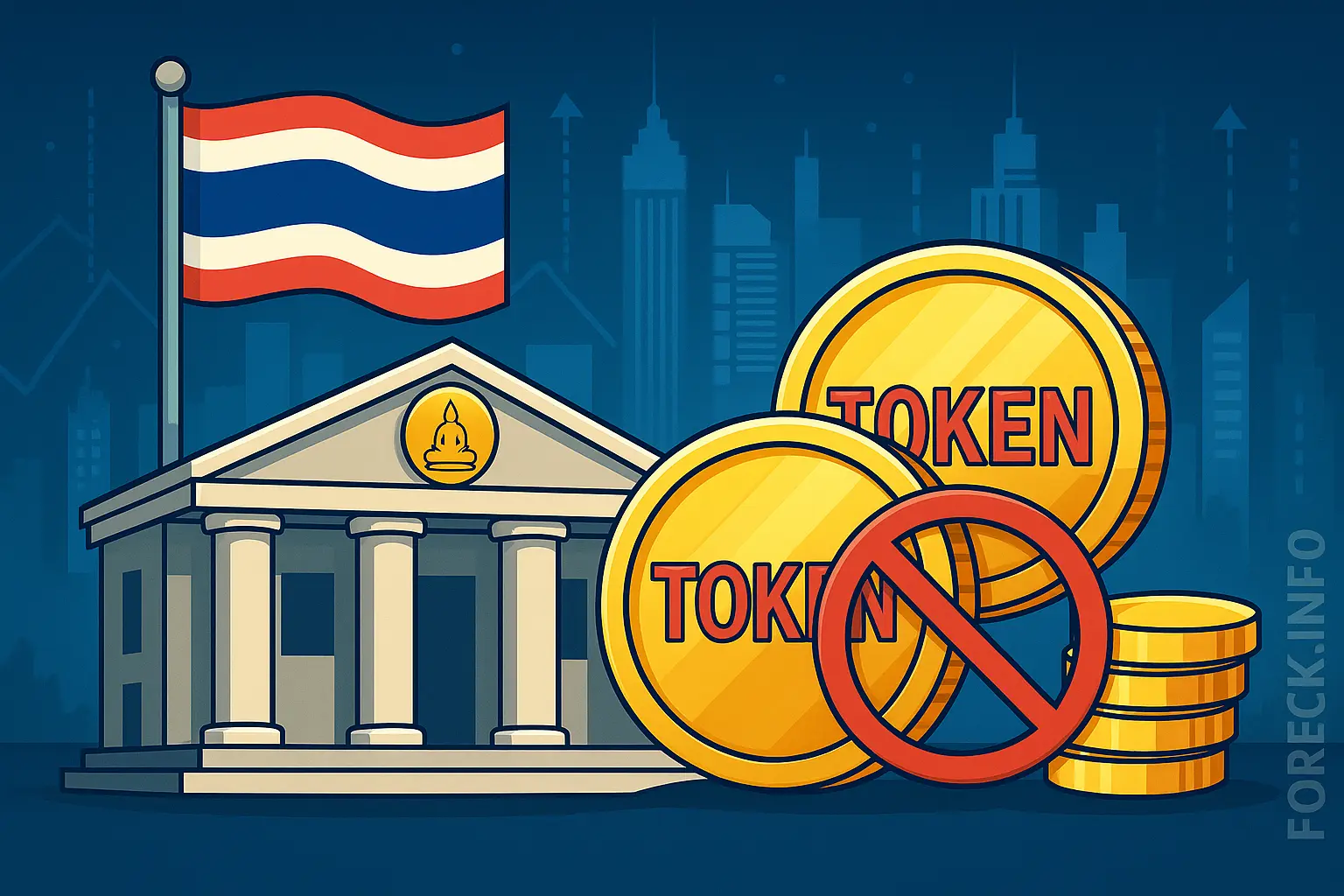
 The Securities and Exchange Commission (SEC) of Thailand has launched a public consultation on proposed rules that would enable crypto exchanges to list their own issued tokens, provided enhanced transparency and disclosure requirements are met. The consultation, part of the country’s strategy to develop its digital economy and position Thailand as an international crypto hub, will remain open until July 21, 2025.
 By John Isige
 Alchemy Pay, a global payment solutions provider, has announced plans to launch its own blockchain, Alchemy Chain, specifically designed to process stablecoin payments—including both global (USDT, USDC) and regional (EURC, MBRL) stablecoins. The mainnet rollout is scheduled for Q4 2025, with the subsequent release of a proprietary stablecoin, the name and technical details of which remain undisclosed.
 By John Isige
 U.S. Treasury Secretary Scott Bessent has dismissed concerns about the U.S. dollar losing its global reserve currency status, arguing instead that the rapid growth of cryptocurrencies and stablecoins could actually reinforce the dollar’s role in the international financial system. According to Bessent, the adoption of stablecoins not only supports global dollar usage but positions these digital assets as major buyers of U.S. government bonds in the near future.
 By John Isige
 The Republic of Nauru has taken a pioneering step in the Pacific, establishing the Command Ridge Virtual Assets Authority (CRVAA)—the region’s first dedicated regulator for virtual assets, digital banking, and Web3 innovation. This move positions Nauru as the initial Pacific state with an independent body overseeing the fast-evolving digital asset space.
 By John Isige
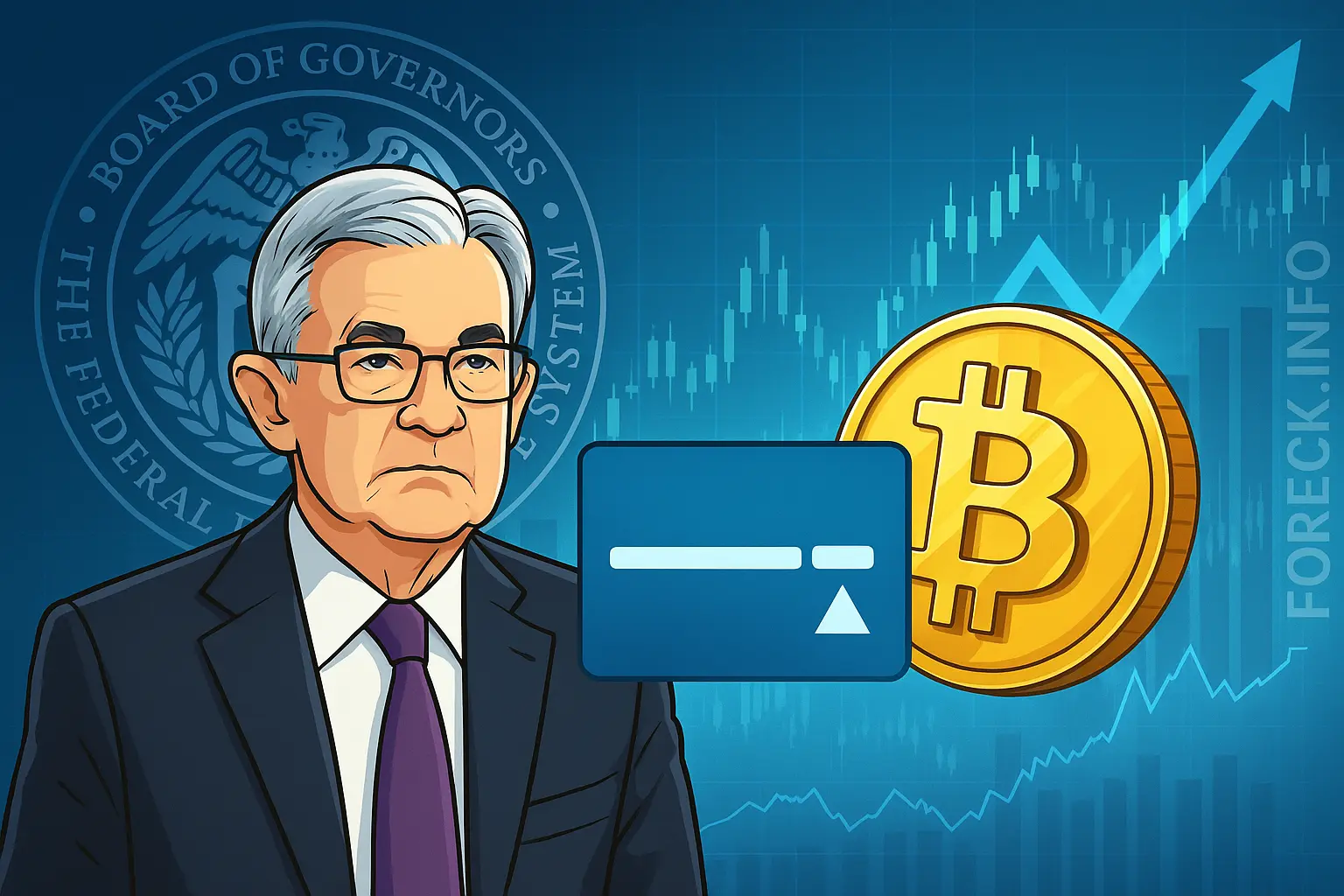
 On June 18, 2025, the U.S. Federal Open Market Committee (FOMC) concluded its latest policy meeting, deciding once again to leave the federal funds rate unchanged at 4.25–4.5%.
 By John Isige
 Hong Kong-listed Lion Group has announced the acquisition of a $600 million credit facility from ATW Partners, aimed at launching a substantial digital asset treasury. This move underlines the group's intent to bolster its presence within the decentralized finance (DeFi) landscape and further diversify its balance sheet with next-generation crypto assets.
 By John Isige
 Anthony Scaramucci, founder of SkyBridge Capital, has delivered a pointed critique of companies issuing bonds to purchase Bitcoin. Describing the trend as a “passing fashion,” Scaramucci warned that this wave of debt-funded accumulation could ultimately harm both the companies involved and Bitcoin’s broader reputation. His comments—delivered at the DigiAssets 2025 conference—underscore mounting concerns over the sustainability of leveraged corporate Bitcoin strategies.
 By John Isige
 Anthony Scaramucci, founder of SkyBridge Capital, has voiced strong criticism against the growing trend of companies issuing bonds to acquire Bitcoin. Labeling the practice a “passing fad,” Scaramucci cautioned that this debt-fueled approach could endanger both corporate balance sheets and the long-term reputation of the world’s leading cryptocurrency.
 By John Isige
 Crypto exchange MEXC has released its fraud report for the first quarter of 2025, revealing a staggering 200% increase in scam attempts on the platform compared to the previous quarter. Between January and March 2025, the exchange recorded 80,057 instances of fraudulent activity, highlighting a dramatic rise in cybercrime targeting digital asset traders.
 By John Isige
 Blockchain investigator ZachXBT has sounded the alarm on escalating abuse across the crypto sector, pinpointing a dramatic uptick in illicit activity and money laundering facilitated by stablecoins, particularly on the TRON blockchain.


For crypto, the framework is similar to traditional financial markets but comes with its own twist. Here, price action turns on liquidity, adoption, regulation, and flows from institutions alongside retail sentiment. Network health—hash rate, staking, active wallets—adds another layer. Macro still matters too: rates, dollar strength, and risk appetite shape inflows and outflows. Then, as with any market, you use the chart—trend, support and resistance, momentum, and volume—to spot setups and manage risk.