


Top Pick

- Fully licensed and regulated US exchange
- Strong focus on security and compliance
- User-friendly interface for beginners

The cryptocurrency market strengthened earlier this week but came under sharp selling pressure on Thursday, erasing much of its previous gains. In the latest market snapshot, Bitcoin (BTC) is trading near 81600.00 (+0.9%), Ethereum (ETH) at 2400.00 (+2.1%), Tether (USDT) at 0.9991 (–0.01%), BNB at 744.00 (+5.1%) and XRP at 1.3250 (+4.8%). Total cryptocurrency market capitalization has declined to approximately $2.73 trillion, while Bitcoin dominance has increased to 60.0%. From October 19 to 22, US spot Bitcoin ETFs recorded net inflows of $439.1 million, while Ethereum ETFs saw outflows of $225.1 million. The market remains volatile despite the recovery attempt discussed in our previous crypto weekly review.
 By John Isige
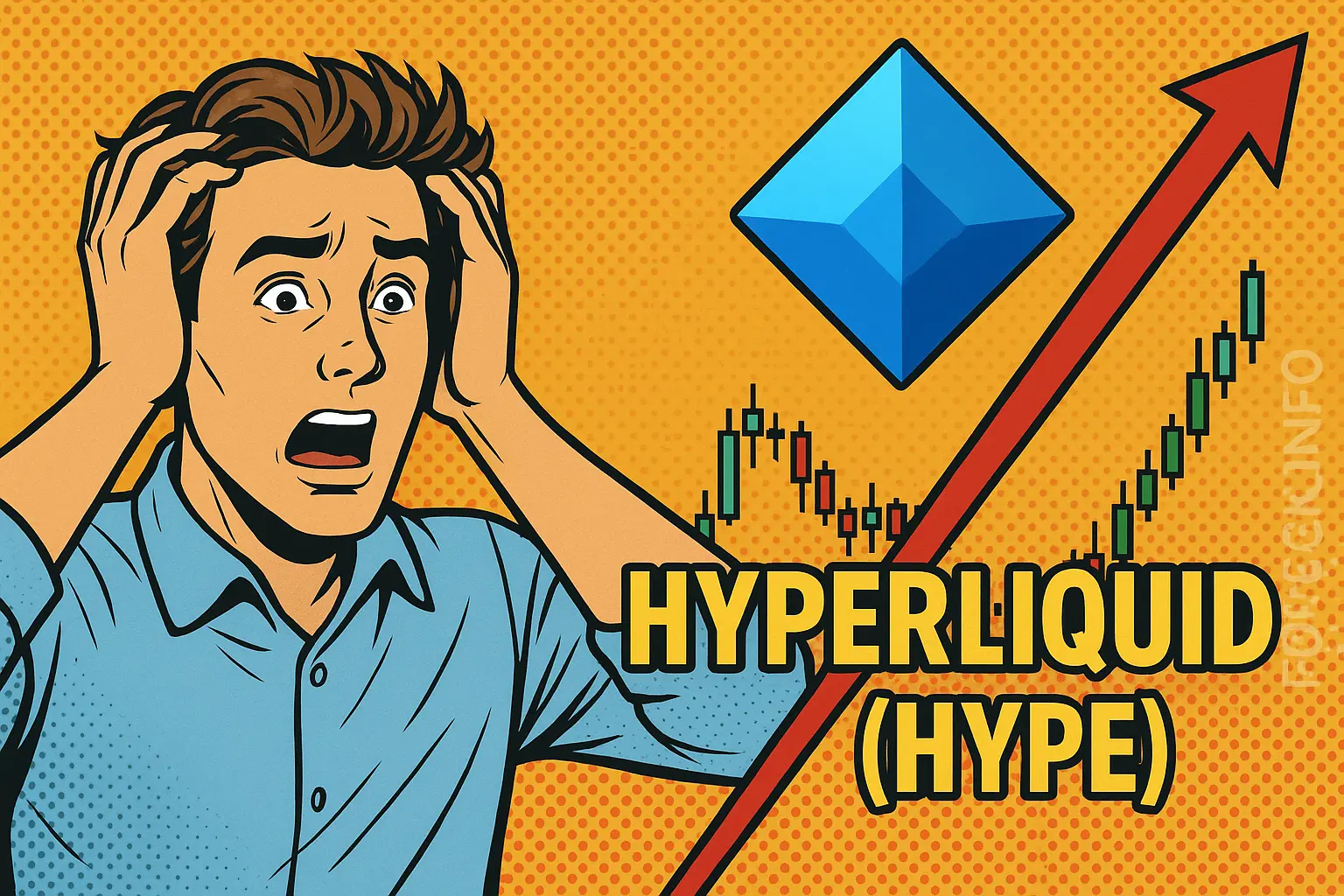
Decentralized perpetuals exchange Hyperliquid recorded explosive growth in July, claiming 35% of all blockchain protocol revenue—a development that has come at the expense of Solana, according to VanEck analysts.
 By John Isige
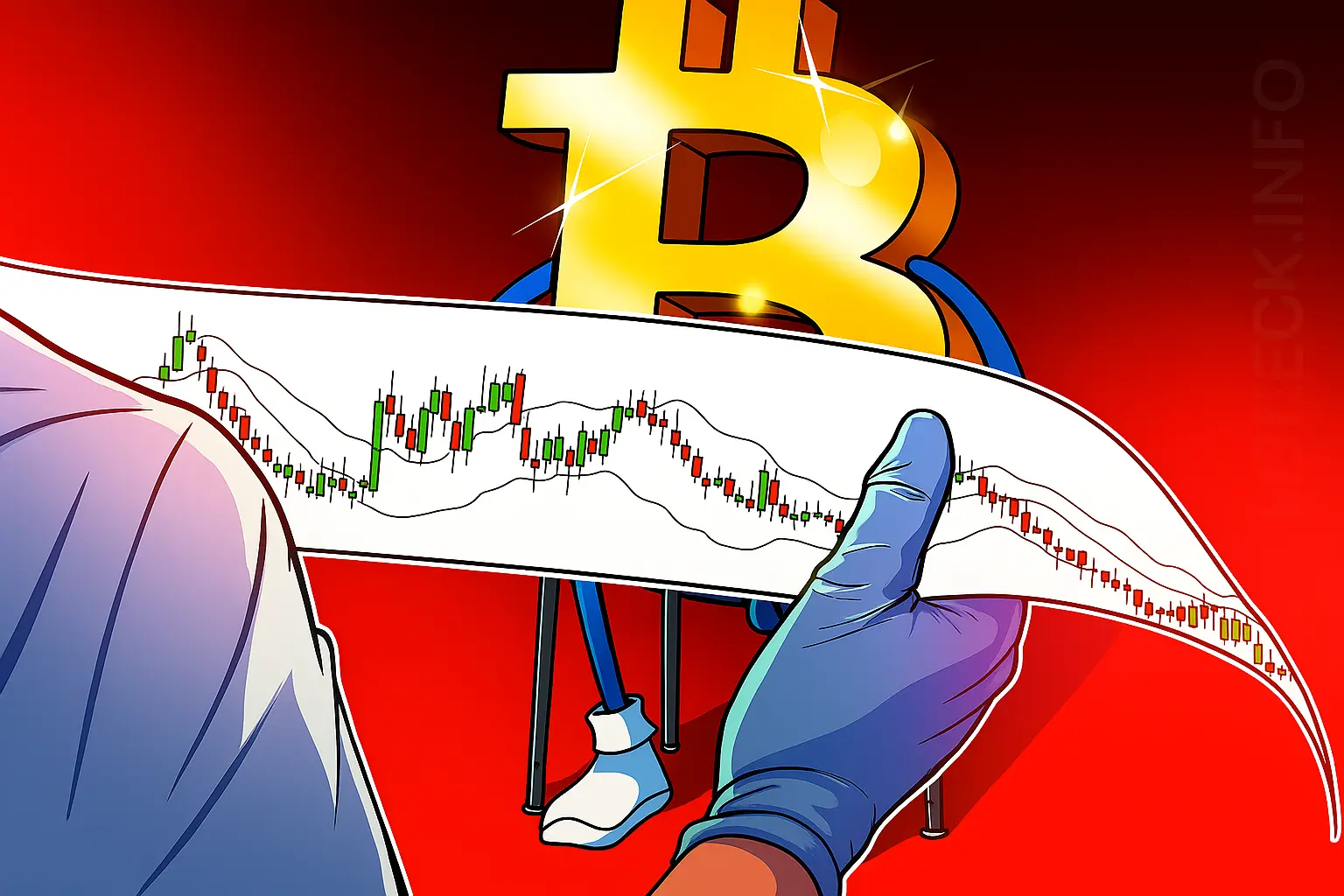
Bitcoin’s reserves on exchanges have dropped to their lowest levels since 2018, even as bearish macro data and seasonal weakness in August weigh on BTC price action. However, market structure and on-chain trends could set the stage for a reversal as early as September.
 By John Isige
Bitcoin remains under pressure as the leading cryptocurrency retraced to its former all-time high near $112,000, signaling a continuation of the summer correction. Despite intermittent recoveries, BTC/USD is currently trading around $113,116—down nearly 5% week-on-week. The key question: Can bulls engineer a turnaround, or is further downside likely?
 By John Isige
XRP continues to display strong technical stability, even after a moderate pullback from recent highs. On the daily chart, price action has retraced to the upper boundary of a previously established support zone—seen as a healthy move within a broader bullish structure. Notably, XRP remains above its 50-day Exponential Moving Average (EMA), currently serving as dynamic support and sending a positive technical signal.
 By John Isige
The crypto market just printed its first red candle in six weeks. After a sharp rally, traders are locking in profits, driving a wave of short-term pessimism and heightening liquidation risk across select altcoins. Early August brings heightened volatility, with several assets poised for large-scale derivatives liquidations.
 By John Isige
Whales Drive Ethereum Demand as Retail Stays Defensive
 By John Isige
Strategist Predicts Major Underperformance for Crypto Assets
 By John Isige
Bitcoin’s July decline driven by record-low exchange liquidity, volatile ETF flows, and waning institutional demand. Analysis, key data, and expert perspectives investors.
 By John Isige
The U.S. spot Ethereum ETF market has experienced its largest ever outflows, even as the overall crypto market stages a comeback. On August 4, net outflows from ETH ETFs reached a record $465.06 million, according to SoSoValue.

 By Sagar Dua
ETH/USD has corrected from its yearly highs near $3,940 last week and remains unable to break above the $3,750 level (Murray [4/8], midline of the Bollinger Bands). The market remains under pressure following the latest Federal Reserve meeting, where the Fed left rates at 4.50% and signaled a longer pause on rate cuts due to persistent inflation concerns.
 By John Isige
Market Overview. Bitcoin (BTC) remains stagnant, opening the day unchanged at $114,000 and extending its sideways trend. Most altcoins are fluctuating between +5% and -10%, typical for current market conditions. The total crypto market cap stands at $3.74 trillion, up 0.5% over the last 24 hours.
 By John Isige
Toncoin (TON) experienced a sharp selloff, dropping nearly 8%, after Nasdaq-listed Verb Technology announced a landmark strategic pivot to become the first public company holding TON as its primary treasury reserve asset.


For crypto, the framework is similar to traditional financial markets but comes with its own twist. Here, price action turns on liquidity, adoption, regulation, and flows from institutions alongside retail sentiment. Network health—hash rate, staking, active wallets—adds another layer. Macro still matters too: rates, dollar strength, and risk appetite shape inflows and outflows. Then, as with any market, you use the chart—trend, support and resistance, momentum, and volume—to spot setups and manage risk.