

Tether, the world’s largest stablecoin issuer, is accelerating its expansion in the United States and is now building its own operational structure inside the country for the first time. In recent months, CEO Paolo Ardoino has drawn attention at major international conferences, while behind the scenes a new team has already been working on the company’s U.S. market entry.
As reported by Bloomberg, the initiative is being led by former football player and ex-White House crypto adviser Bo Hines. From North Carolina, he will coordinate the development of Tether’s U.S. business.
A key element of the strategy is expected to be a new stablecoin called USAT. Unlike USDT, which dominates the global market, this token is being designed specifically with U.S. regulation in mind. The main framework is the Genius Act 2025, which tightened requirements for stablecoin issuers. In particular, issuers are required to hold a larger share of reserves in U.S. Treasury securities and comply with stricter transparency and regulatory standards.
Stablecoins as the future of payment infrastructure?
Paolo Ardoino views the new rules not as an obstacle, but as an opportunity for market growth.
“We believe stablecoins can become a foundational infrastructure for digital payments,” the Tether CEO said.
According to him, the new token will target not only crypto investors but also everyday use cases. In Tether’s view, the United States could become a key market where stablecoins evolve into a real alternative to traditional payment systems.
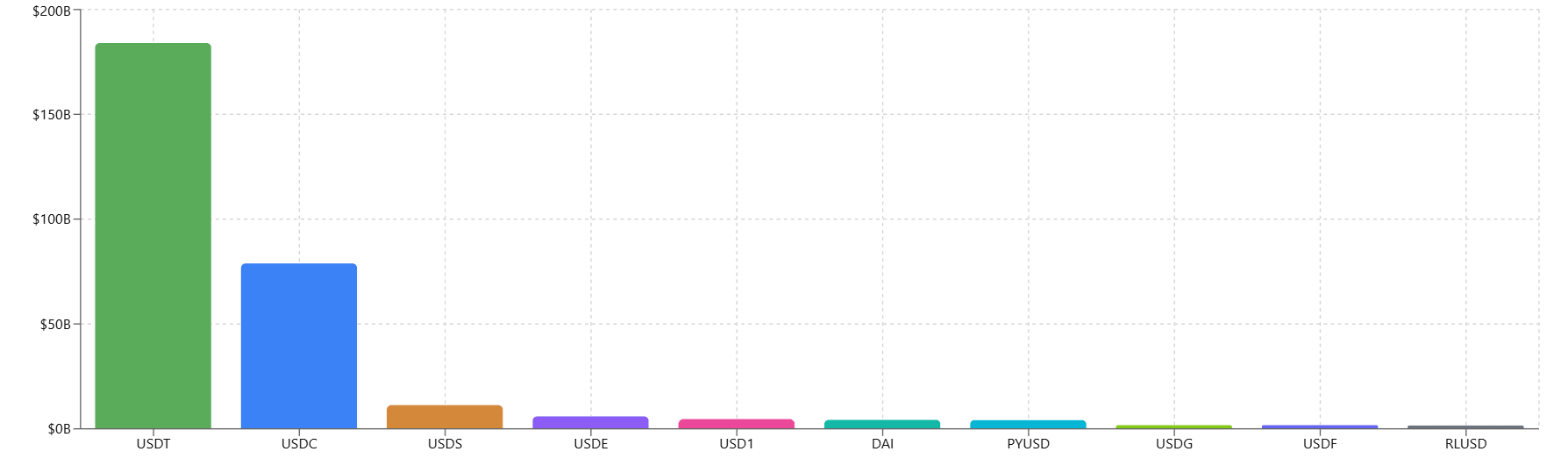
While in emerging markets such assets are often used for savings or low-cost international transfers, the U.S. strategy focuses on a different scenario — using stablecoins as a tool for everyday payments for goods and services.
Supporters of this model argue that both merchants and consumers could avoid the high fees charged by banks and credit card providers. Critics, however, warn about the risks: these payment systems still lack full consumer protections, and transactions are generally final and cannot be reversed.
Conclusion
Tether’s U.S. expansion shows that stablecoins are increasingly moving beyond crypto trading and toward real-world payments. If USAT gains regulatory approval and user trust, it could become one of the clearest examples yet of how blockchain-based dollars may challenge banks and card networks in everyday finance.
