


Top Pick

- Fully licensed and regulated US exchange
- Strong focus on security and compliance
- User-friendly interface for beginners

The cryptocurrency market strengthened earlier this week but came under sharp selling pressure on Thursday, erasing much of its previous gains. In the latest market snapshot, Bitcoin (BTC) is trading near 81600.00 (+0.9%), Ethereum (ETH) at 2400.00 (+2.1%), Tether (USDT) at 0.9991 (–0.01%), BNB at 744.00 (+5.1%) and XRP at 1.3250 (+4.8%). Total cryptocurrency market capitalization has declined to approximately $2.73 trillion, while Bitcoin dominance has increased to 60.0%. From October 19 to 22, US spot Bitcoin ETFs recorded net inflows of $439.1 million, while Ethereum ETFs saw outflows of $225.1 million. The market remains volatile despite the recovery attempt discussed in our previous crypto weekly review.

 By John Isige
 In 2025, gold, silver, Bitcoin, and a range of other assets have either set fresh records or come very close. The co-founder of the ETH Strategy protocol, writing under the pseudonym Clouted, argued this trend highlights the growing “uselessness” of the U.S. dollar.
 By John Isige
 Bitcoin continues to battle resistance near $116,000, a zone that analysts say requires a fresh catalyst to break through. Bitfinex researchers pointed to two potential drivers that could spark renewed upside.

 By Sagar Dua
 On September 15, the meme-coin launchpad Pump.fun saw its daily trading volume cross the $1 billion mark for the first time since July, according to figures from DEX Jupiter.
 By John Isige
 Breaking above the $117,500 resistance level could clear the way for Bitcoin to revisit its record highs, says Michaël van de Poppe, founder of MN Capital
 By John Isige
 MetaMask has rolled out its first native stablecoin, called mUSD, now live on both Ethereum and Linea.
 By John Isige
 Ethereum could finish the year near $4300, though in a negative scenario the downside may be much deeper, Citi analysts told CoinDesk.
 By Sagar Dua
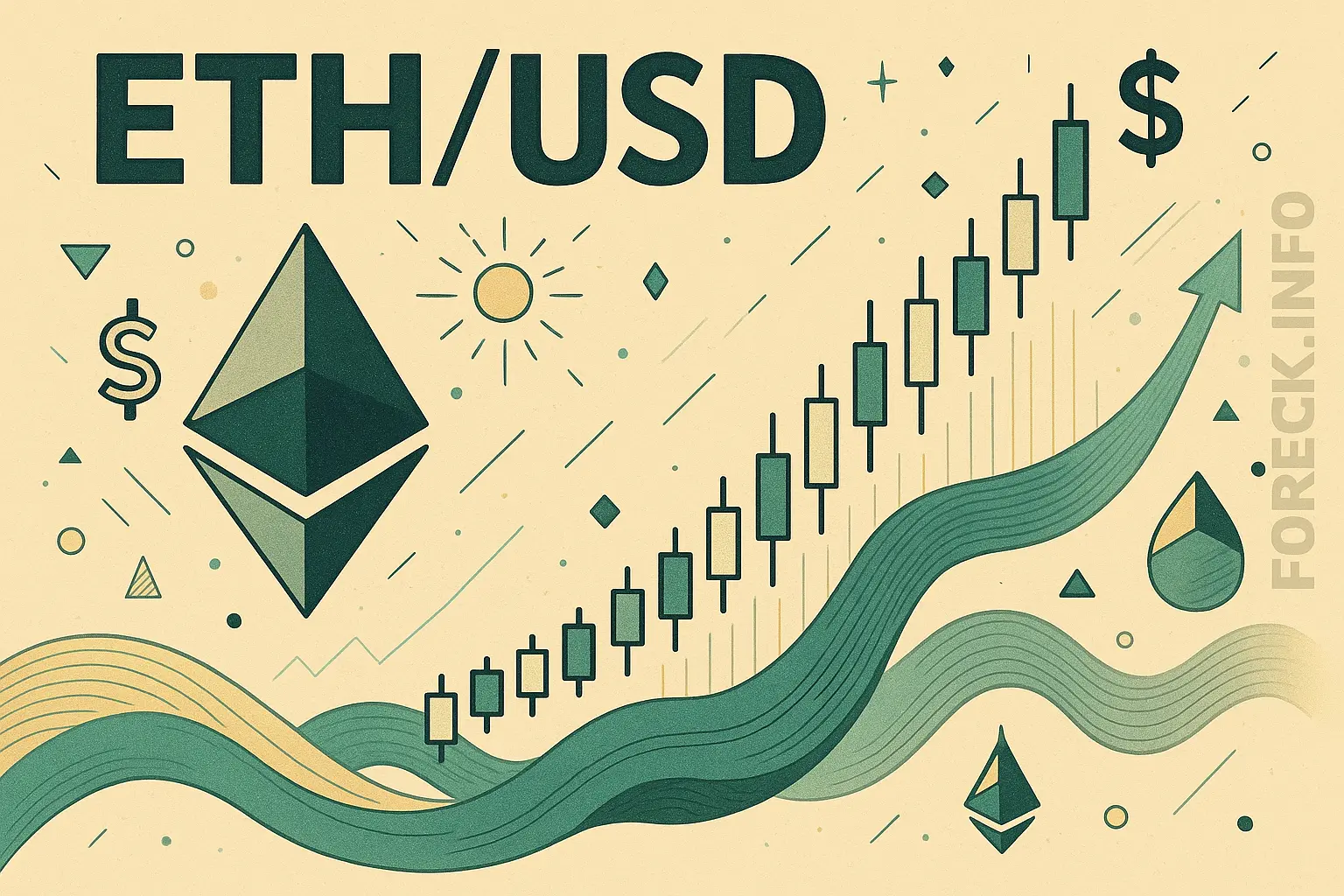
 The ETH/USD pair is holding around 4529.00: over the past week the asset has gained almost 10.0%, reflecting improved market sentiment and increased institutional interest in the crypto asset, confirmed by CryptoQuant statistics.
 By John Isige
 With the Fed’s rate decision just days away, institutional money is flooding back into Bitcoin, pushing prices closer to new record highs.
 By John Isige
 The BTC/USD pair is holding near 116,195.50 during the Asian session: stronger growth is being capped by industry doubts over the sustainability of corporate Bitcoin treasuries after major holder Strategy was denied inclusion in the S&P 500 despite meeting formal requirements, highlighting the risks of business models tied to BTC’s price.
 By John Isige
 U.S. Retail Sales — Tuesday, September 16, 2025
At 14:30 CET, the U.S. Census Bureau will release final retail sales figures for August. Retail sales are a key measure of U.S. household spending power. In July, sales rose +0.5% month-over-month, slightly below expectations of +0.6%. For August, analysts expect further softening to +0.2%.
 By John Isige
 The Winklevoss twins, who collectively hold around 70,000 Bitcoin, are convinced the BTC price will “easily” surpass $1 million within the next decade.
 By John Isige
 The crypto platform SwissBorg has lost 192,600 SOL worth over $41 million in a hack. Here’s what it means for Solana holders - This was first reported by on-chain investigator ZachXBT.


For crypto, the framework is similar to traditional financial markets but comes with its own twist. Here, price action turns on liquidity, adoption, regulation, and flows from institutions alongside retail sentiment. Network health—hash rate, staking, active wallets—adds another layer. Macro still matters too: rates, dollar strength, and risk appetite shape inflows and outflows. Then, as with any market, you use the chart—trend, support and resistance, momentum, and volume—to spot setups and manage risk.