

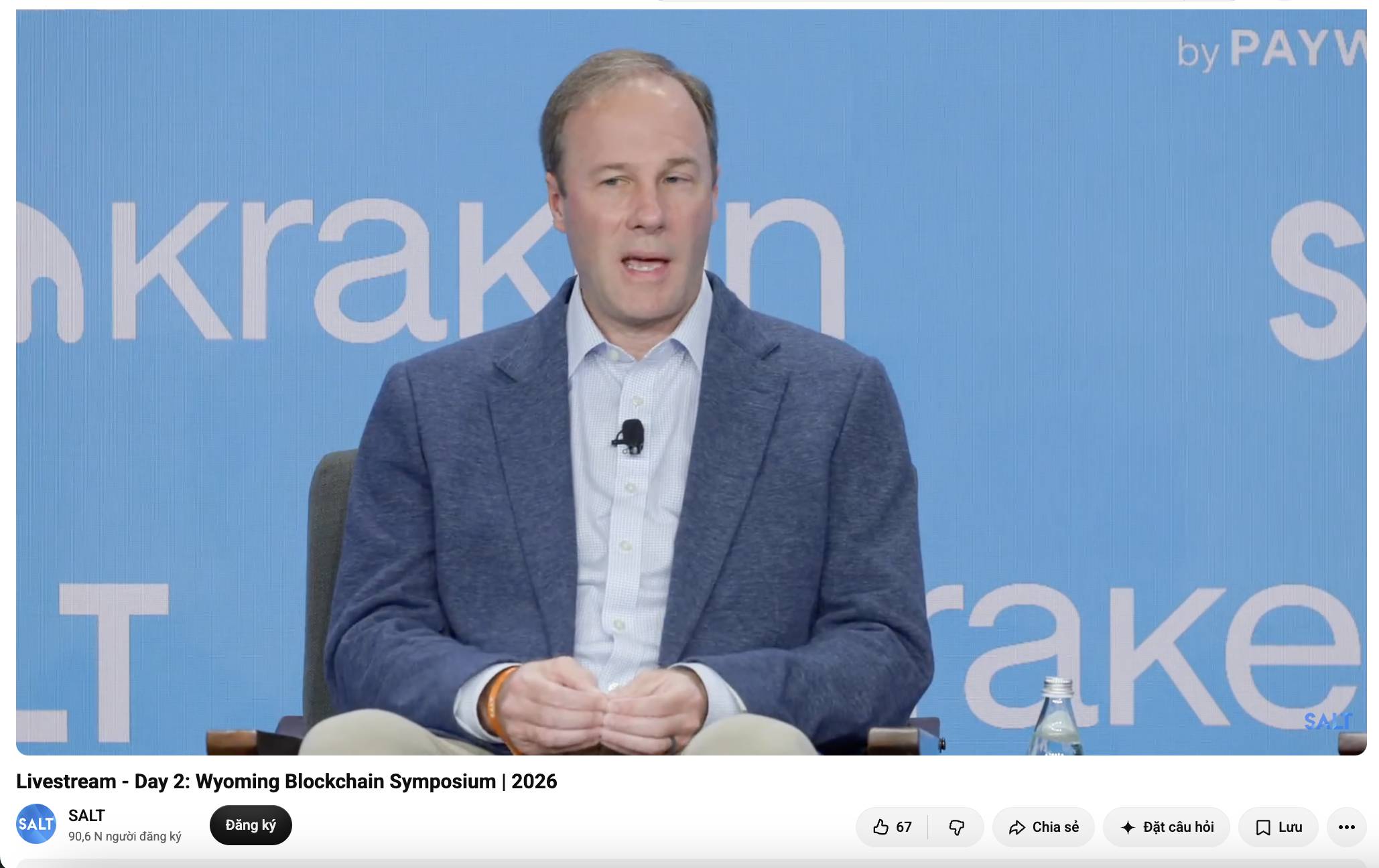
Comptroller Jonathan Gould announced the target on August 19 during the Wyoming Blockchain Symposium. According to the official OCC summary of his remarks, the agency began working on the regulations even before President Donald Trump signed the GENIUS Act into law.
The OCC published its proposed rule in March 2026, while the main public-comment period ended on May 1. The agency is now reviewing the feedback and preparing the final version.
The GENIUS Act was signed into law on July 18, 2025, establishing the first comprehensive federal framework for payment stablecoins in the United States. However, the legislation requires federal and state regulators to issue detailed implementing regulations before the new system can become fully operational.
The Act is currently expected to take effect on January 18, 2027, rather than simply at the beginning of January. It could become effective earlier if the primary federal payment stablecoin regulators publish their final implementing regulations and activate the law’s alternative 120-day deadline.
Congress originally instructed the Treasury Department, OCC, Federal Reserve, FDIC, NCUA and relevant state regulators to complete the necessary rules within one year of enactment. That deadline expired on July 18, 2026, without a complete set of final regulations.
Several agencies have published proposals, but important parts of the framework remain unfinished. On August 17, the Treasury Department issued another proposal addressing when a payment stablecoin is considered issued, offered or sold in the United States. FORECK.INFO previously examined the details in its report on Treasury’s proposed GENIUS Act rules for stablecoin issuers.
The OCC rule will apply only to entities under the agency’s jurisdiction, rather than every stablecoin issuer operating in the United States. These include subsidiaries of national banks and federal savings associations, nonbank companies seeking approval as federal qualified payment stablecoin issuers, certain state-qualified issuers and qualifying foreign issuers.
The proposed framework covers reserve assets, redemption procedures, risk management, audits, reporting, custody, supervision and applications for federal approval. Anti-money-laundering and sanctions requirements are being developed through separate rulemakings involving the Treasury Department, FinCEN and OFAC.
Finalizing the OCC rule by November would give prospective issuers time to prepare applications before the expected January 2027 effective date. However, it would not automatically allow companies to begin issuing regulated stablecoins in November, as the broader framework and statutory effective date would still apply.
The development comes as the CLARITY Act, a separate bill intended to establish a broader regulatory structure for the U.S. digital-asset market, continues to face delays in the Senate. Unlike the CLARITY Act, however, the GENIUS Act has already become law and is now moving through the implementation process.
Conclusion
The OCC’s November target represents a significant step toward an operational federal stablecoin regime. Nevertheless, January 18, 2027 remains the expected effective date, and the launch of the complete framework will depend on progress by other federal regulators as well as the OCC.
