
Selling pressure prevailed across global commodity markets during the July 30 trading session. Precious metals were a notable exception, with gold and silver advancing as investors assessed the latest Federal Reserve decision, softer US inflation data and weaker-than-expected economic growth.
During the Asian trading hours, XPT/USD slipped toward the $1300.00 handle, reflecting a mild correction after recent gains. Analysts at the World Platinum Investment Council (WPIC) project that global automotive demand for platinum will rise to 3.25 million ounces by year-end, supported by tighter emissions standards and a structural shift away from palladium. Jewelry consumption is forecast to grow by 2.0%, fueled largely by a robust 15.0% surge in Chinese demand. Investment demand is expected to climb another 7.0%, while palladium substitution could reach 877,000 ounces — a significant factor reshaping the PGM (Platinum Group Metals) market balance.
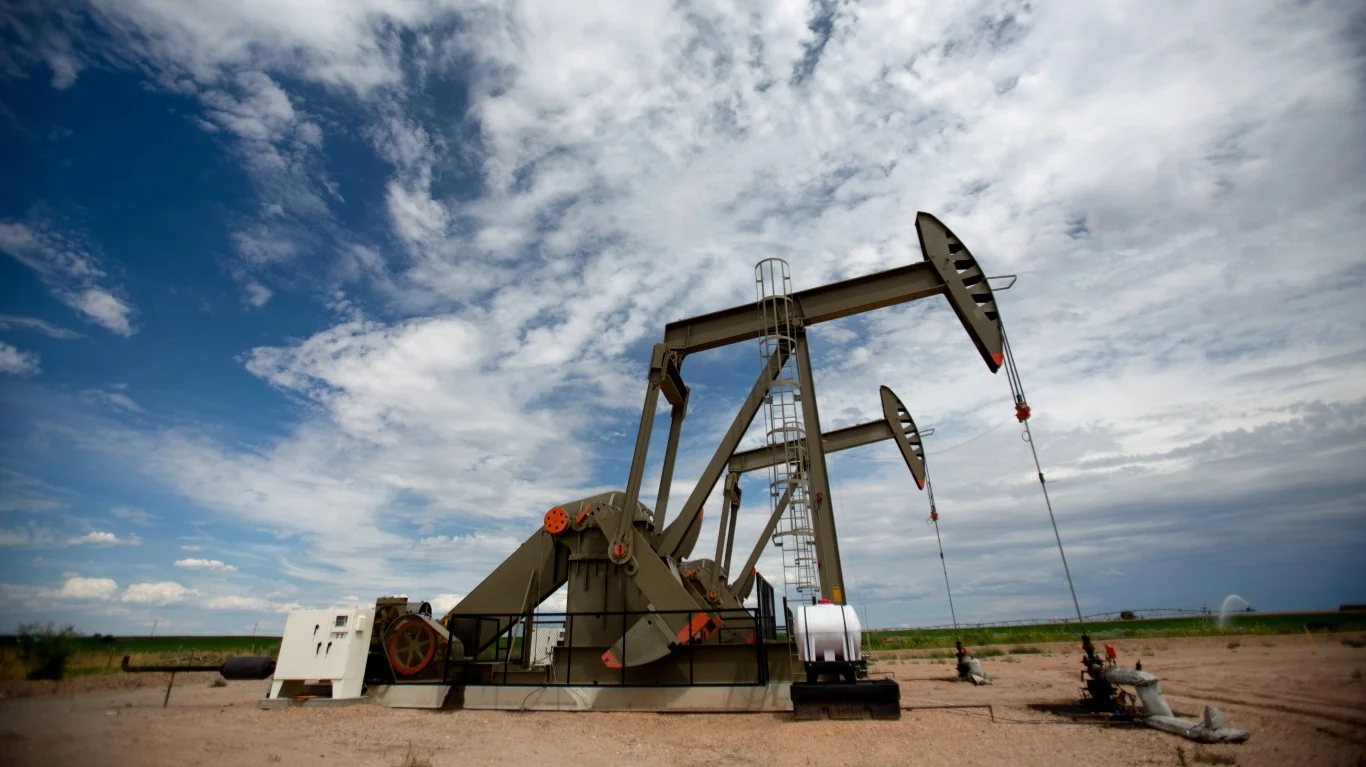
WTI crude oil futures remain anchored within a long-term descending channel, trading near $64.10 during the Asian session. Market focus is squarely on President Donald Trump’s decision to introduce ad valorem tariffs of 25% on Indian imports. The move is a direct response to continued Indian government purchases of Russian energy supplies, with much of the oil reportedly resold on the open market for profit. The White House has signaled further sanctions for nations trading with Russia, betting that tightening restrictions will accelerate the resolution of the Russia-Ukraine conflict.
Gold prices (XAU/USD) continue to trade below the $3,500–$3,430 resistance zone for the fourth consecutive month, signaling an exhaustion of the prior uptrend. Following the White House’s announcement of new tariffs on imports in early April, demand for gold as a safe-haven asset surged. However, a 90-day moratorium on the sanctions reduced immediate risks and prompted some investors to reduce gold allocations. As the US administration has since reached trade agreements with key partners—including Japan, the UK, EU, South Korea, and several Asian countries—market confidence in equities has been restored, softening demand for bullion.
The gold market continues to set the tone for global risk sentiment, ending the week with XAU/USD firmly above $3,300—a level that’s rapidly becoming a new psychological pivot for traders. Once again, the metal delivered on its safe-haven promise, catching a strong bid as the US-China tariff drama escalated and investors braced for another volatile week in global markets. Every fresh headline—from Washington’s tariff threats to surging inflationary fears—has left an immediate mark on gold’s price trajectory, underscoring how reactive and sentiment-driven this rally remains.
Brent crude oil prices are hovering near $68.10 in Asian trading as the market gears up for the crucial OPEC+ meeting scheduled for July 6. Key member Saudi Arabia is actively lobbying for the coalition to extend its output increases—potentially adding another 411,000 barrels per day in August and September—to reclaim lost market share. Bloomberg notes that Saudi Aramco has already cut July prices for its flagship Arab Light crude by $0.20 for Asian buyers, signaling a push for regional competitiveness. Eight OPEC+ nations, including Russia, Saudi Arabia, Algeria, Iraq, Kuwait, UAE, Kazakhstan, and Oman, are gradually phasing out voluntary production limits, raising total output by 386,000 barrels per day.
Current Dynamics: Brent Edges Higher on Optimism, Awaits Key Data
Commodities analysis looks at what drives the prices of raw materials like oil, gold, or wheat. Fundamentals mean supply and demand, production levels, weather, and geopolitics. Technicals come from the charts — trends, support and resistance zones, trading volume, and repeating patterns. By combining both, traders can gauge risk, spot opportunities, and decide when it makes sense to buy or sell.