Selling pressure prevailed across global commodity markets during the July 30 trading session. Precious metals were a notable exception, with gold and silver advancing as investors assessed the latest Federal Reserve decision, softer US inflation data and weaker-than-expected economic growth.
Forex traders are preparing for the upcoming corporate earnings season, but interest rates in major global economies remain the primary focus. After strengthening in August 2025, the precious metals sector entered a pause as investment flows were reallocated. Silver and platinum benefited the most from this shift; however, gold’s potential as a core safe-haven asset remains intact, and the key factors supporting the broader market are still in place.
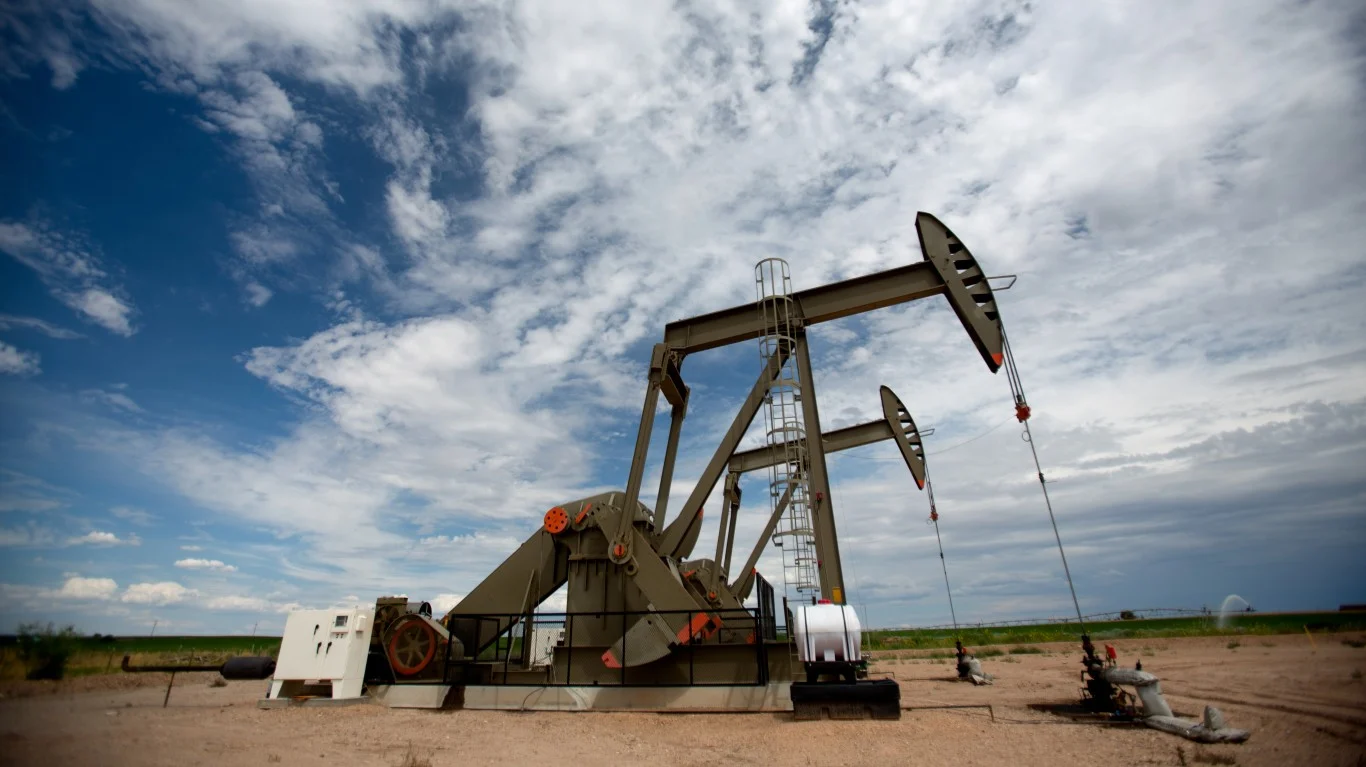
During the morning session, benchmark WTI Crude Oil prices are posting a modest rebound, consolidating near the 55.80 level while remaining close to April lows amid continued weakness in the US dollar.
Prices for benchmark Brent Crude Oil are holding slightly below the 60.00 level, as the market continues to correct lower. Analysts attribute the pullback to falling prices for crude purchased by major global importers.
Brent crude oil prices ended the week at $59.97 per barrel, up 0.82%, extending a modest rebound after briefly dipping into the $58 area earlier in the week. Despite the uptick, analysts caution that the recent move does little to change the broader picture of a weakening oil market heading into 2026.
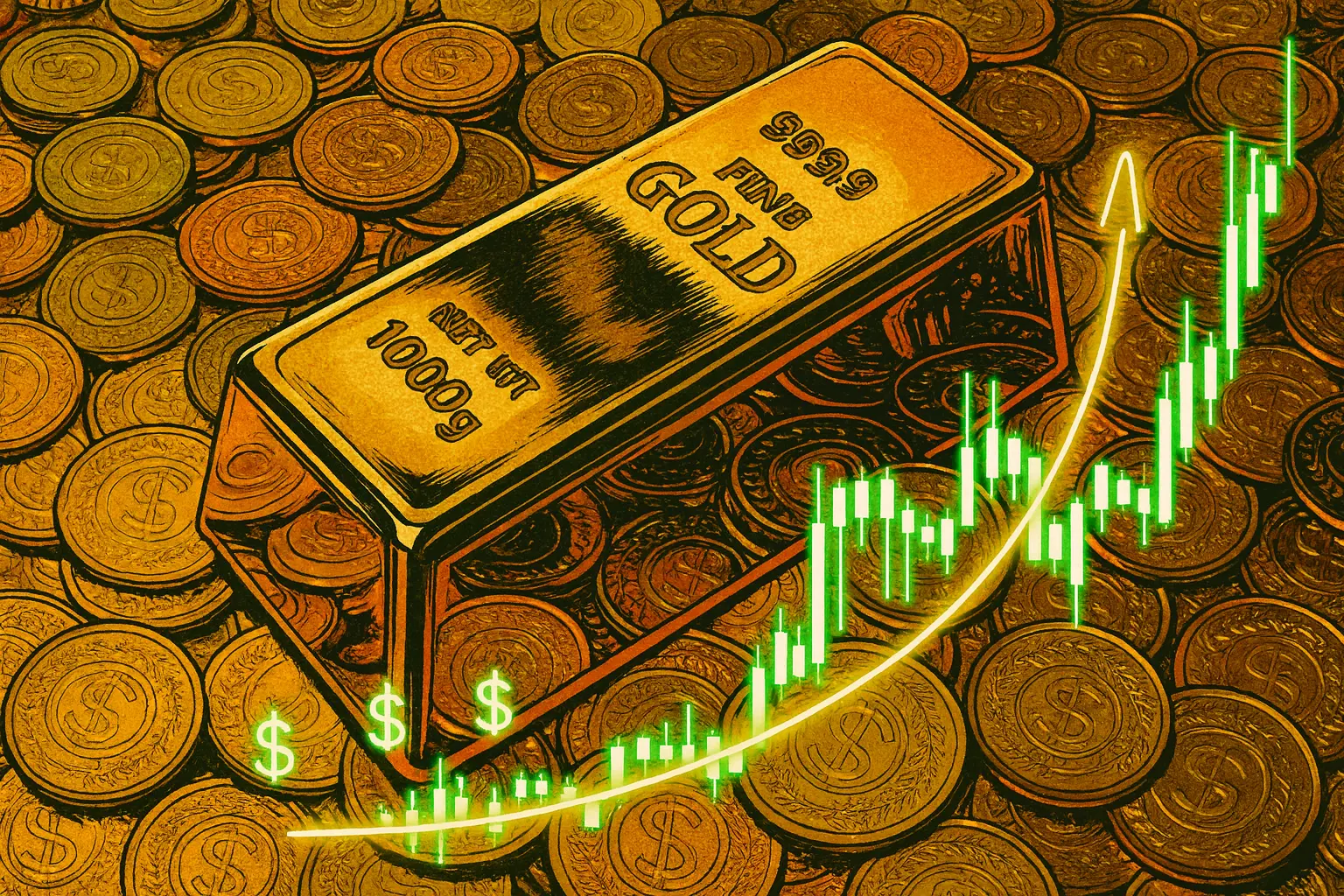
Last week, the XAU/USD pair stabilized around 4218.75 (Murray level [6/8]) amid two key sources of uncertainty: the outlook for U.S. Federal Reserve monetary policy and developments surrounding the Russia–Ukraine conflict.
The XAU/USD pair is consolidating, trading just below the 4,200.00 mark as market participants await the outcome of the U.S. Federal Reserve’s policy meeting scheduled for December 10. There is almost no doubt that the regulator will cut rates by 25 basis points to the 3.50–3.75% range. Updated macroeconomic projections to be presented alongside the decision may influence sentiment across global markets. Expectations of monetary easing are already supporting gold, which gained 1.2% over the past week, making it attractive to investors looking to hedge inflation and currency volatility risks. Despite fluctuations, the overall trend remains positive, with traders continuing to build long positions in anticipation of a weaker dollar and lower borrowing costs.
The benchmark Brent crude oil price is moving in a downward trend below 63.00, with trading volumes remaining stable against the backdrop of fresh sector forecasts from Fitch Ratings. The agency now expects the average price per barrel this year to be 69.0 dollars, below the previous estimate of 70.0 dollars, while in 2026 and 2027 experts project a correction to 63.0 and 65.0 dollars respectively, amid a significant supply surplus driven by steady production. In addition, analysts’ estimates factor in a possible reduction in exports from Russia and the maintenance of current output levels agreed within OPEC+.
Gold has just wrapped up a stellar week and firmly returned to an upward trend. The latest leg higher started after news broke that the US government would reopen. On Wednesday, gold added another 1.8% just hours before President Donald Trump signed a bill to fund federal operations through January 20.
During the morning session, WTI Crude Oil prices are consolidating near the October 22 low at 58.30. Investors are waiting for the U.S. government shutdown to end and reacting to the updated OPEC forecasts released yesterday, which pushed the asset down more than 3.0%. While earlier expectations pointed to a supply deficit in 2026, OPEC now anticipates that supply and demand will reach balance thanks to gradually rising production from both the cartel and non-OPEC countries, particularly the U.S., while demand estimates for 2025–2026 remain unchanged.
The XAG/USD pair shows mixed dynamics during the Asian session, consolidating around $51.0 per troy ounce after posting strong gains earlier in the week. The rise was primarily driven by a weaker U.S. dollar following reports of an agreement to end the record-long government shutdown.
Commodities analysis looks at what drives the prices of raw materials like oil, gold, or wheat. Fundamentals mean supply and demand, production levels, weather, and geopolitics. Technicals come from the charts — trends, support and resistance zones, trading volume, and repeating patterns. By combining both, traders can gauge risk, spot opportunities, and decide when it makes sense to buy or sell.