

Since the war began on February 28, Bitcoin has gained more than 7%. At the time of writing, BTC is trading near 71,500 dollars, up around 1.4% on the day. Other major cryptocurrencies have also moved higher, with Ethereum up about 7% and Solana rising roughly 4.5%.
Over the same period, the S&P 500 has fallen by around 3%. The stock market has been pressured by inflation concerns and fears that the Federal Reserve may keep interest rates higher for longer.
Gold’s performance has been especially notable. The metal, traditionally seen as a safe-haven asset during times of crisis, has dropped nearly 4% per ounce since the war began. Against that backdrop, crypto investors have once again revived the argument that Bitcoin may be starting to look like better gold.
Why Bitcoin looks stronger than traditional assets right now
There may be several reasons behind this relative strength. One common view among crypto analysts is that the risk of war had already been partly priced into Bitcoin earlier, especially after the sharp correction at the end of January. Once the conflict moved into an open phase, there was less additional selling pressure left in the market.
There were also reports suggesting that part of the Iranian population turned to Bitcoin as a way to preserve wealth after the war began. Blockchain analytics firm Elliptic reported a sharp rise in outflows from Iran’s largest crypto exchange, with funds believed to have been sent to foreign platforms.
As the conflict spread across the broader Persian Gulf region, some analysts also suggested that cryptocurrencies may be serving as a tool for individuals and investors looking to move capital abroad or reduce their dependence on local financial systems.
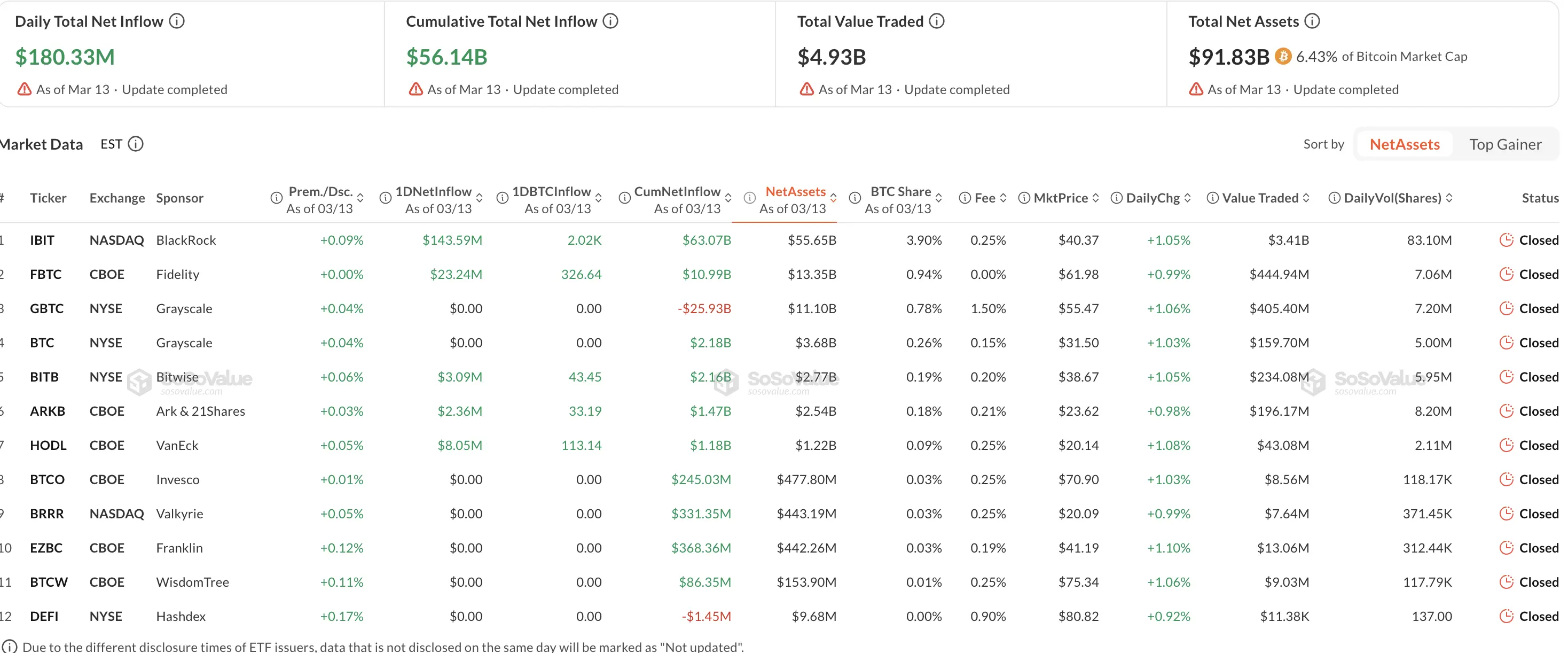
U.S. institutional demand likely played an important role as well. According to SoSoValue, spot Bitcoin ETFs have attracted around 1.3 billion dollars in inflows since the conflict began. That wave of capital helped support BTC even as geopolitical tensions intensified.
Conclusion
The market is showing that in the current crisis, Bitcoin is being treated not only as a risk asset, but also as a store of value and an alternative channel for liquidity. If ETF inflows remain strong and interest in crypto stays elevated in unstable regions, BTC may continue to hold an advantage over both gold and equity indices.
