
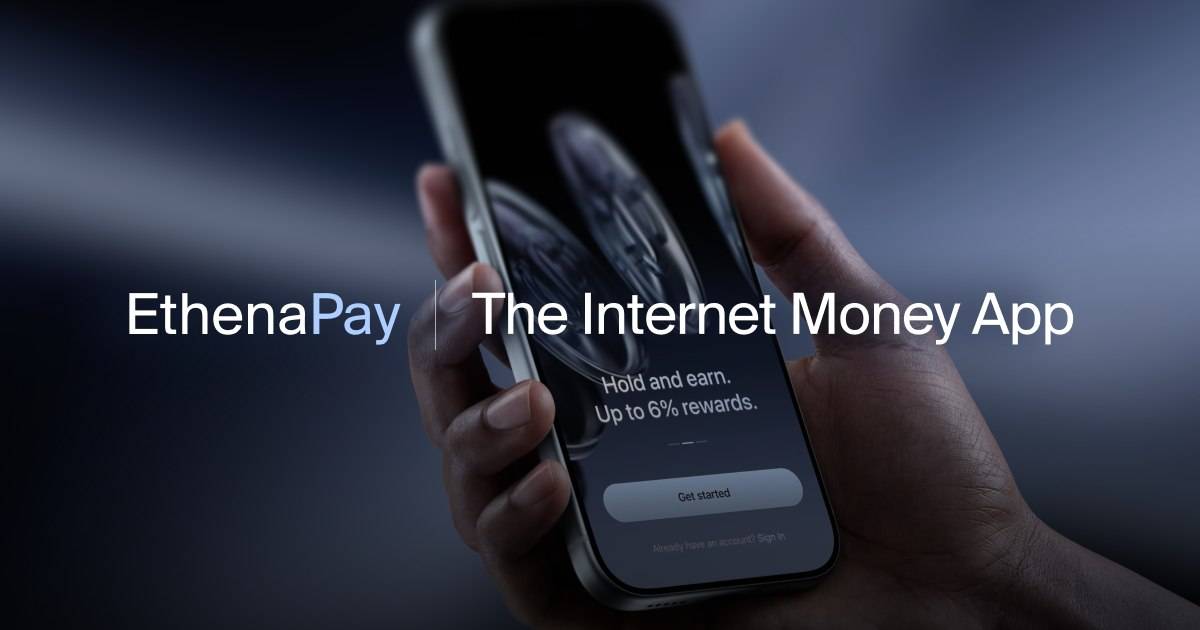
Ethena Pay Brings USDe Into Everyday Finance
Ethena Pay is designed to extend USDe beyond trading and decentralised finance. Instead of moving funds between an exchange, a wallet, a yield platform and a separate card provider, users can manage a dollar-denominated balance, send money, withdraw to an external wallet or bank account and make eligible card payments from one app.
The platform supports self-custody, meaning users retain control of their wallet credentials and digital assets. Ethena Pay uses passkeys and device biometrics to simplify access, but the company does not hold customer funds or provide conventional banking services.
That distinction matters. Although the app offers an experience similar to a digital bank, Ethena Pay Ltd states that it is not a bank, does not accept deposits and does not provide deposit insurance.
Avalanche Provides the Settlement Layer
An official Avalanche announcement says Ethena Pay was built exclusively on the network, which connects USDe transfers, payments and settlement behind the scenes.
Users are not required to select a blockchain or manage each onchain step manually. The application presents a familiar financial interface while Avalanche processes the underlying transactions. Cashback is also credited in AVAX, the network’s native asset.
The structure is intended to make blockchain infrastructure largely invisible to the user. This is particularly important for consumer payments, where speed and simplicity are more likely to influence adoption than the technical details of the settlement network.
How Ethena Pay Rewards Work
Ethena Pay divides users into Standard, Pro and VIP tiers. According to the official FAQ, the advertised annual rate combines the prevailing USDe base rate with a promotional Daily Boost.
| Tier | Total annual rate | Balance eligible for Daily Boost |
|---|---|---|
| Standard | 5% | Up to $5,000 |
| Pro | 6% | Up to $15,000 |
| VIP | 6% | Up to $50,000 |
Balances above the applicable cap continue to receive the underlying USDe base rate but do not qualify for the additional Daily Boost.
The Boost accrues daily and is normally credited in USDe within 24 hours. To remain eligible, a user must complete at least one qualifying card transaction during the calendar month.
Ethena Pay describes the Daily Boost as a discretionary promotional incentive. It is not bank interest, a guaranteed yield or an insured deposit, and its rate or eligibility conditions may change.
Cashback Is Tiered by Monthly Spending
Ethena Pay advertises cashback of up to 5%, but the headline rate does not apply to unlimited spending:
- Standard users receive 4% on the first $2,500 spent each month, 1% between $2,500 and $4,000, and no cashback above $4,000.
- Pro users receive 4.5% on the first $8,000, followed by 2% between $8,000 and $10,000, 1% between $10,000 and $12,000, and 0.5% above $12,000.
- VIP users receive 5% on the first $20,000, 2% between $20,000 and $30,000, 1% between $30,000 and $40,000, and 0.5% above $40,000.
Cashback is calculated after an eligible card transaction settles and is then paid in AVAX. Because AVAX is a volatile digital asset, the dollar value of the reward can rise or fall after it reaches the user’s account.
ATM withdrawals, crypto and stablecoin purchases, gambling, gift cards, peer-to-peer transfers and several other transaction categories do not qualify for cashback.
Ethena Pay Launches Across 49 Countries
Ethena Pay’s initial rollout covers 49 countries across Latin America, the Caribbean, Asia, the Middle East, Africa and Oceania.
The United States, the European Union, the United Kingdom, Switzerland, Canada, Taiwan and South Korea are listed among the markets expected to receive access later. Product availability and card eligibility may still differ between jurisdictions.
The iOS application is currently available, while Android access is expected to follow as the rollout expands.
Stablecoin Payments Move Closer to Consumers
Ethena Pay arrives as stablecoins increasingly move beyond cryptocurrency exchanges and DeFi applications. FORECK.INFO has previously examined Visa’s stablecoin platform for financial institutions and Hyundai’s use of Avalanche for corporate treasury transfers.
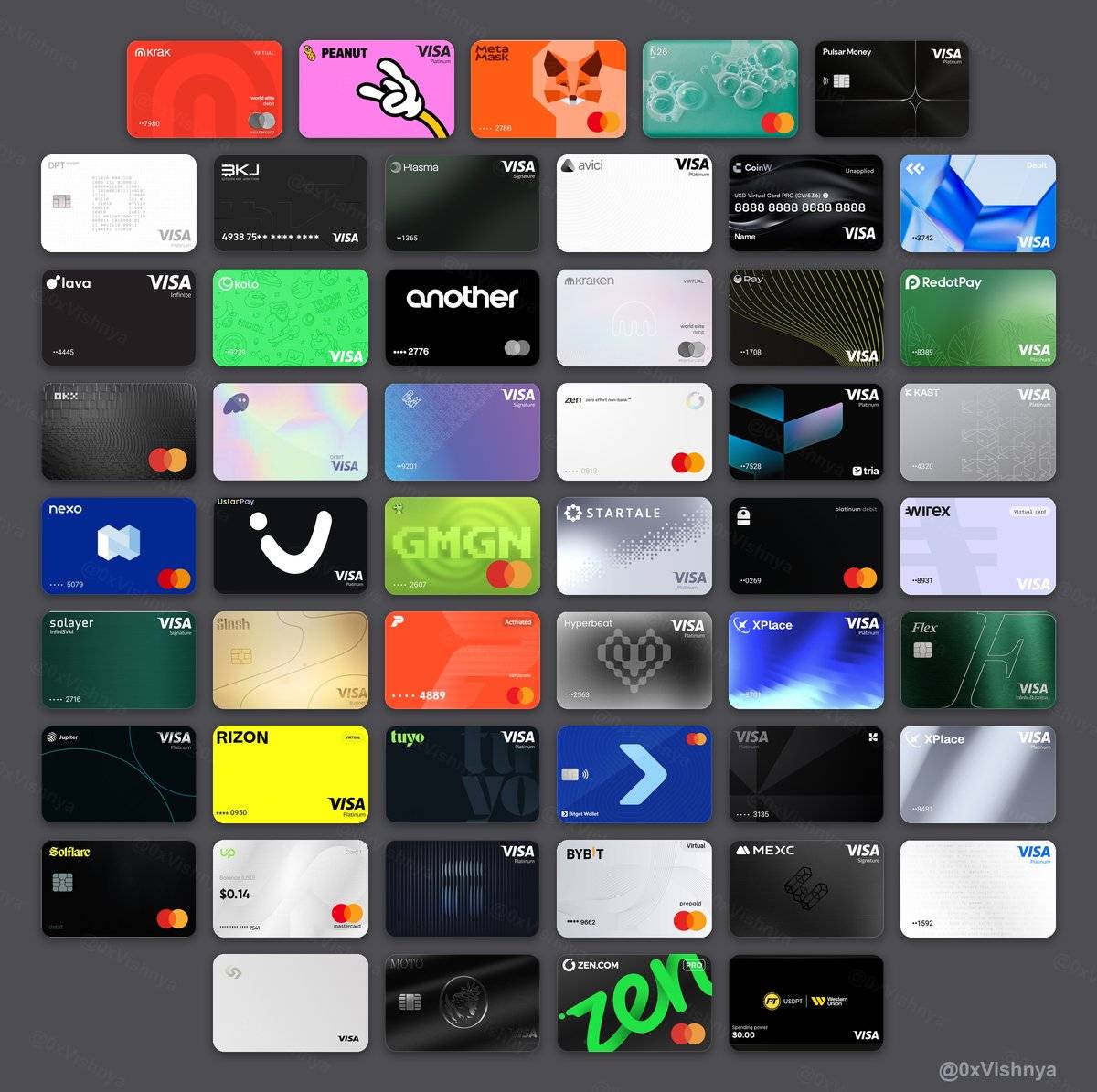
Ethena is applying the same broader trend to a consumer-facing product. Ethena Pay gives the company a direct distribution channel for USDe and creates a practical path from holding the asset to transferring and spending it.
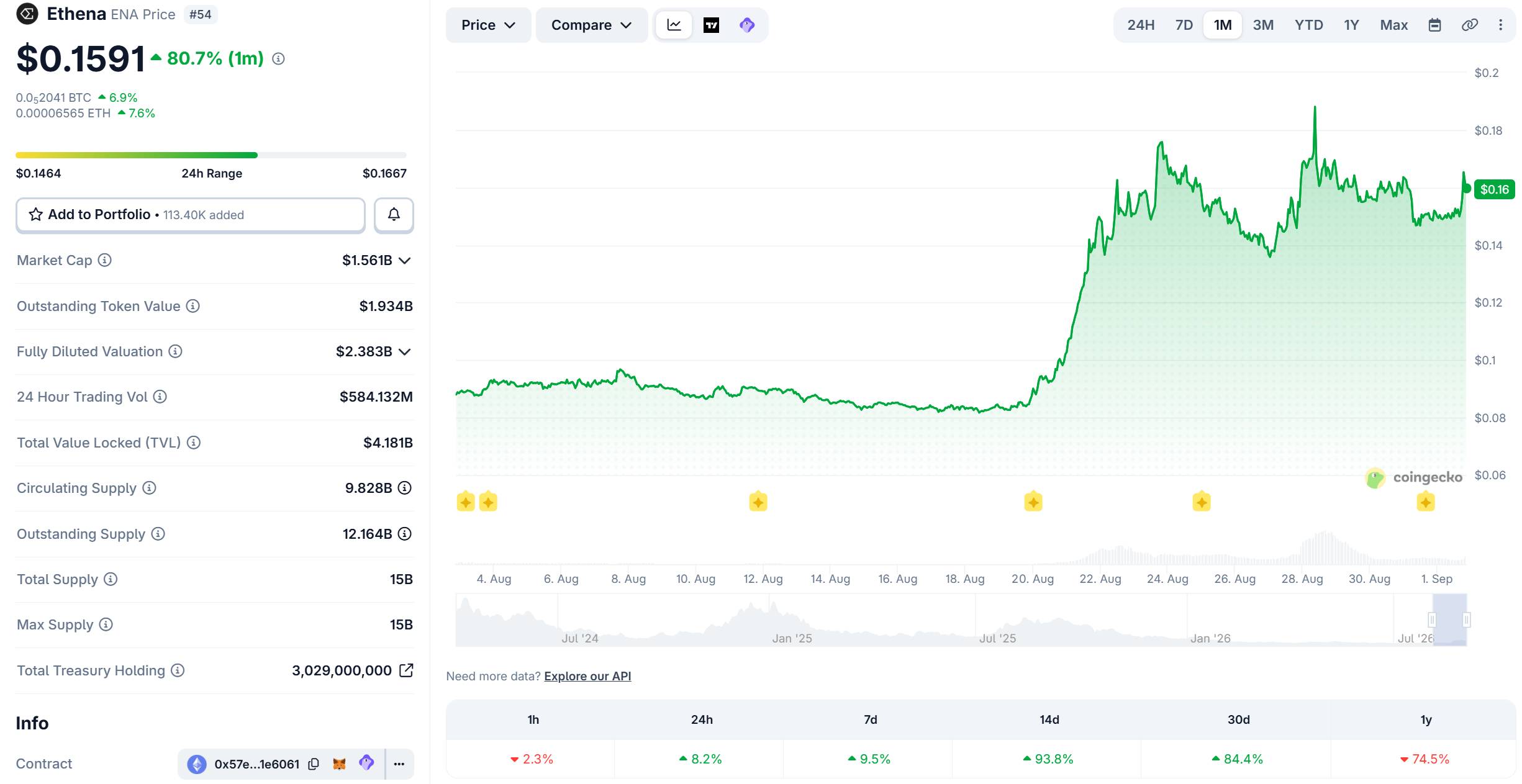
The launch could increase demand for USDe if users begin treating it as everyday working money rather than an asset held primarily for trading or DeFi strategies. However, the product’s longer-term impact will depend on user adoption, the sustainability of its promotional rewards and its ability to enter larger regulated markets.
Conclusion
Ethena Pay packages stablecoin balances, self-custody, payments and rewards into an interface that resembles a modern financial app. Its headline benefits — annual rewards of up to 6% and AVAX cashback of up to 5% — are competitive, but both come with eligibility rules, spending bands and digital-asset risks.
The product is not a bank account, and its balances are not protected by government deposit insurance. The more important test will be whether Ethena can turn USDe from a primarily crypto-focused asset into a payment instrument people regularly hold, transfer and spend.
