

Several US senators were working on a proposal that could restart negotiations over the legislation. Democratic Senator Angela Alsobrooks told attendees at an American Bankers Association summit that lawmakers were discussing a compromise between the cryptocurrency industry and the traditional banking sector.
Alsobrooks was working with Republican Senator Thom Tillis on safeguards intended to reduce the risk of deposits leaving the banking system without completely restricting innovation in digital payments.
“We absolutely have to have these protections to prevent the deposit flight, but we're going to probably have to make some compromises,” Alsobrooks said.
The proposed compromise would preserve the prohibition on interest paid directly by stablecoin issuers while potentially allowing cryptocurrency exchanges and other platforms to offer rewards linked to transactions, payments or account activity rather than passive token balances. At the time, the final legislative language had not yet been agreed.
Stablecoin rewards had become one of the main points of conflict between banks and cryptocurrency companies. Banking groups warned that yield-bearing stablecoins could compete directly with traditional deposits and encourage customers to move funds outside the regulated banking system. Crypto companies argued that broader restrictions could limit consumer incentives and reduce competition in digital payments.
Trump’s SAVE America Act Ultimatum Adds Another Obstacle
US President Donald Trump had previously urged lawmakers to accelerate the CLARITY Act and criticised Wall Street institutions for resisting cryptocurrency legislation. However, he later said he would not sign new legislation until Congress passed the SAVE America Act.
The Republican-backed election bill would require documentary proof of US citizenship for federal voter registration. It would also introduce additional identification requirements, including requirements affecting some voters who request and submit absentee ballots.
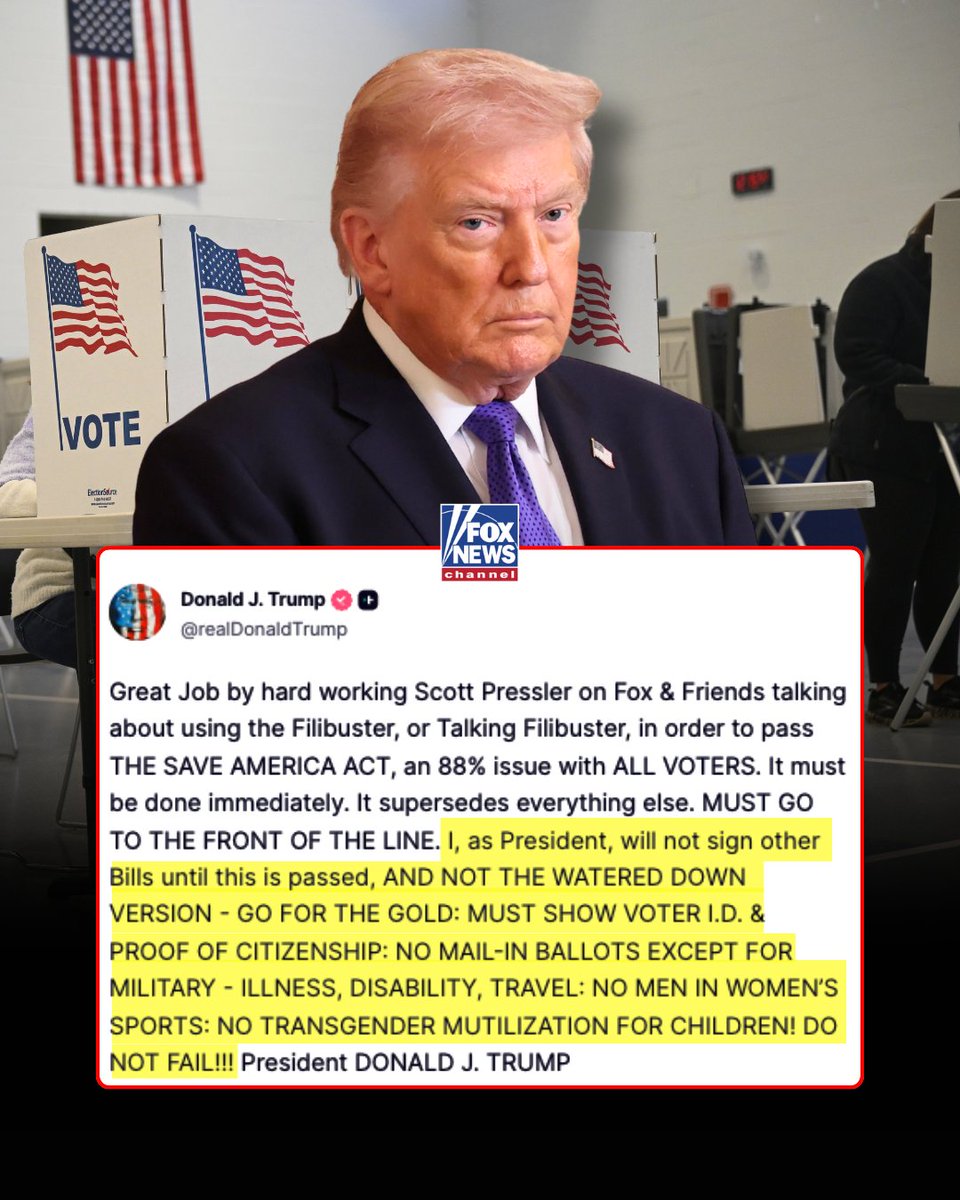
Supporters of the proposal argued that documentary requirements would strengthen confidence in federal elections and reduce the risk of ineligible registrations. Critics warned that the measures could make voter registration and absentee voting more difficult for eligible citizens who do not have immediate access to the required documents.
The CLARITY Act is intended to establish a clearer regulatory framework for the US cryptocurrency industry and define the respective responsibilities of federal agencies overseeing digital assets. A central objective is to clarify when a crypto asset falls under the jurisdiction of the Securities and Exchange Commission and when it should be regulated as a digital commodity by the Commodity Futures Trading Commission.
The legislation could reduce legal uncertainty for cryptocurrency companies, exchanges and investors. However, its eventual effect on Bitcoin and the broader digital asset market would depend on the final text, the implementation process and the reaction of market participants.
The negotiations later expanded beyond stablecoin rewards. In July 2026, an updated CLARITY Act draft introduced new crypto ethics restrictions for federal officials and their spouses, addressing another major source of disagreement between Republicans and Democrats.
