


Top Pick
- Fully licensed and regulated US exchange
- Strong focus on security and compliance
- User-friendly interface for beginners

The cryptocurrency market strengthened earlier this week but came under sharp selling pressure on Thursday, erasing much of its previous gains. In the latest market snapshot, Bitcoin (BTC) is trading near 81600.00 (+0.9%), Ethereum (ETH) at 2400.00 (+2.1%), Tether (USDT) at 0.9991 (–0.01%), BNB at 744.00 (+5.1%) and XRP at 1.3250 (+4.8%). Total cryptocurrency market capitalization has declined to approximately $2.73 trillion, while Bitcoin dominance has increased to 60.0%. From October 19 to 22, US spot Bitcoin ETFs recorded net inflows of $439.1 million, while Ethereum ETFs saw outflows of $225.1 million. The market remains volatile despite the recovery attempt discussed in our previous crypto weekly review.
 By John Isige
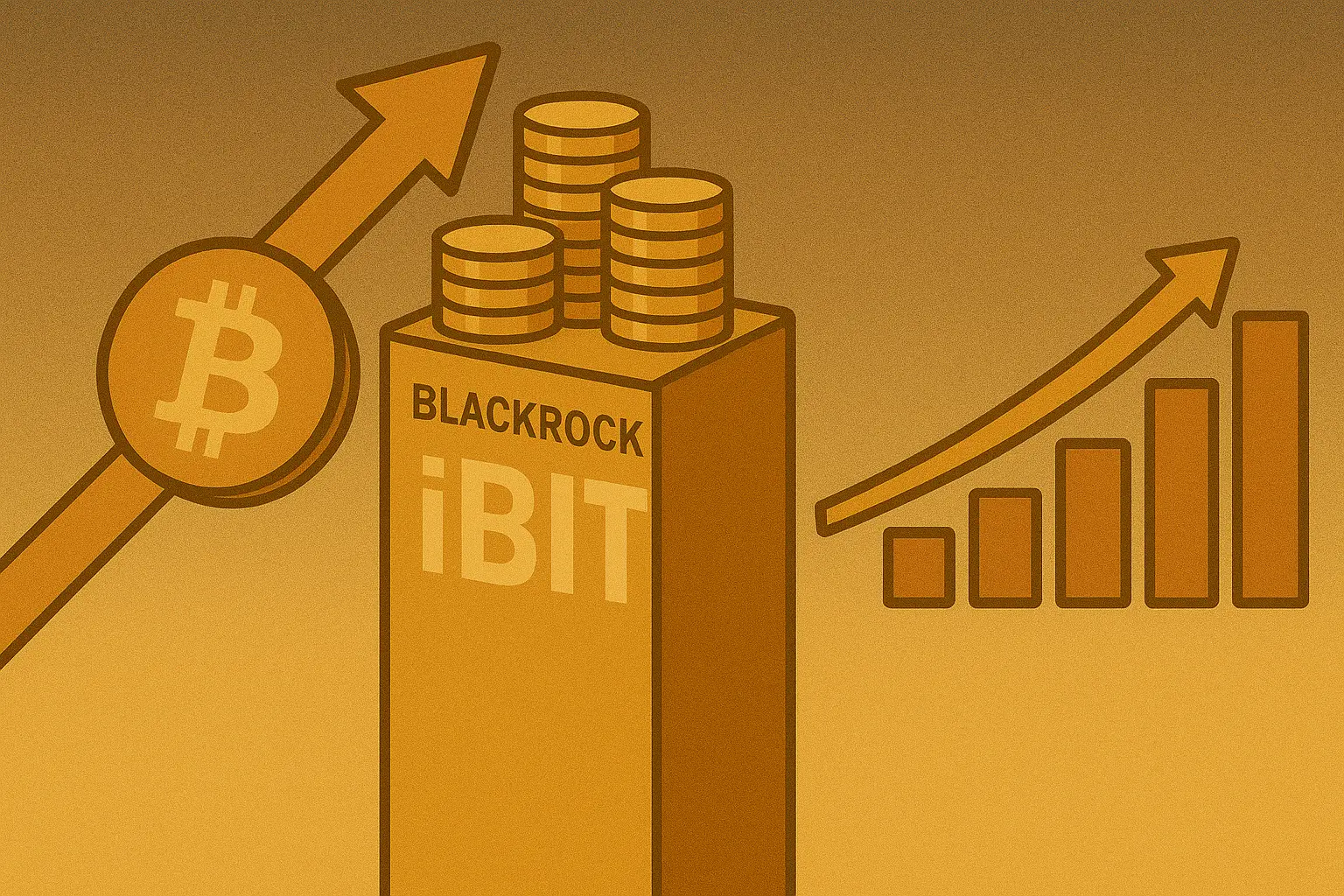
 Spot Bitcoin ETFs kept the momentum going on June 17, 2025, logging their seventh straight day of inflows. Data from SoSoValue shows that U.S. funds pulled in $216.48 million on the day, lifting weekly net inflows above $1.6 billion and underscoring strong institutional demand.
 By John Isige
 Spokane, Washington, has become the first city in the state to ban the operation of crypto ATMs, targeting both new and existing machines. The city council unanimously approved initiative C36704, spearheaded by council member Paul Dillon and supported by chair Betsy Wilkerson, in an effort to shield vulnerable residents from a surge in cryptocurrency-related fraud.
 By John Isige
 AGRIForce, in partnership with BlueFlare Energy, has commissioned a pioneering cryptocurrency mining farm in Berwyn, Alberta, running exclusively on stranded natural gas—a byproduct resource typically uneconomical or technologically challenging to recover for industrial use.
 By John Isige
 Meta Pool, a multi-chain liquid staking protocol, successfully defended against a critical security breach that could have resulted in losses of up to $27 million. Thanks to rapid detection and low liquidity in its pools, the hacker managed to extract only $132,825 (about 52.5 ETH at the time of the incident).
 By John Isige
 JPMorgan Chase has announced the launch of JPMD, a new institutional-only “deposit token” implemented on the Base blockchain network. Unlike traditional stablecoins, JPMD represents a digital claim on commercial bank deposits, enabling fast, secure, and 24/7 settlement between trusted parties in a fully regulated environment.
 By John Isige
 Tether, the world’s leading stablecoin issuer, has authorized the minting of an additional $1 billion USDT tokens on the Ethereum network as of June 18, 2025. The move comes less than ten days after a previous billion-dollar authorization, underscoring Tether’s active management of reserves to meet growing market demand and facilitate future cross-chain swaps.
 By John Isige
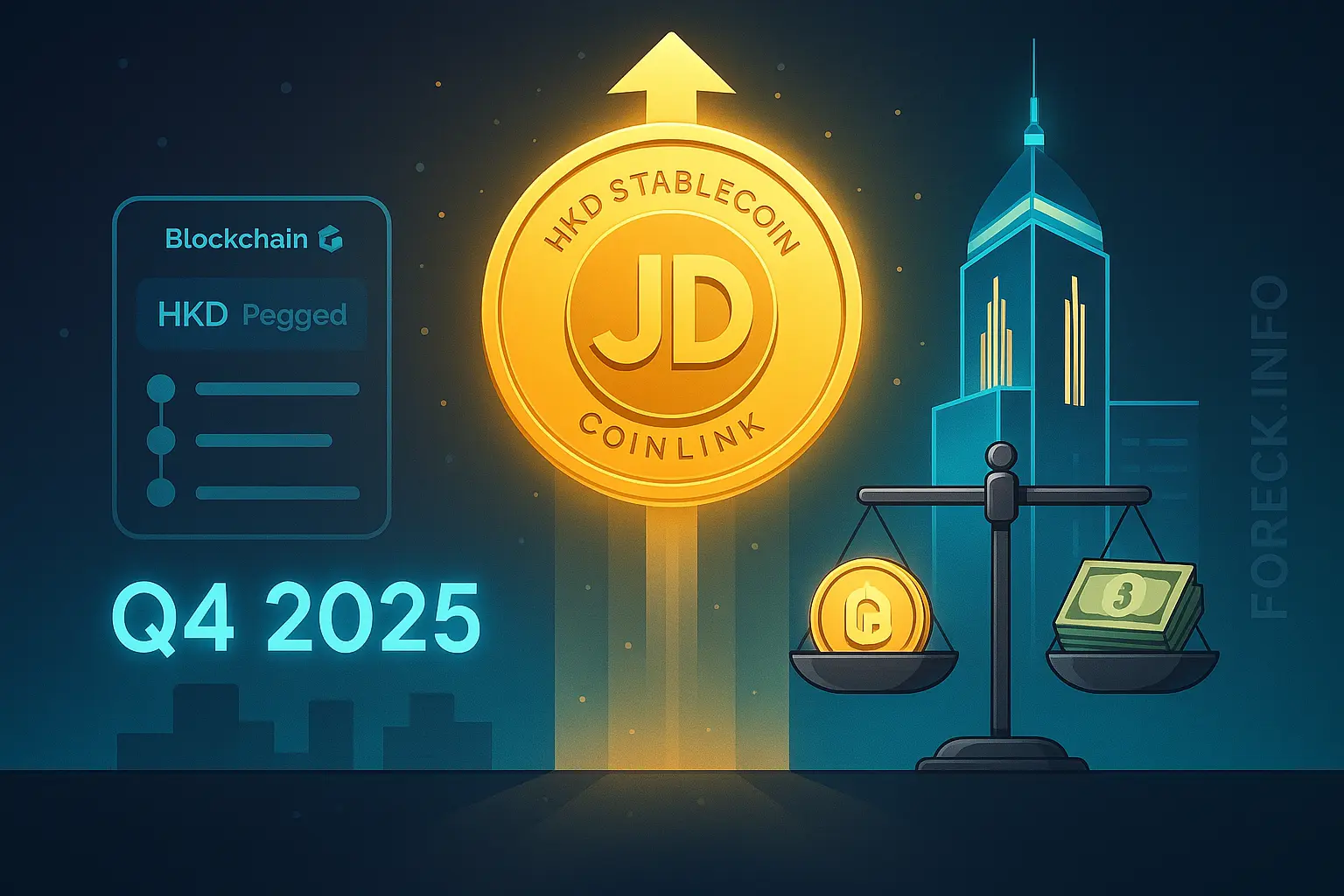
 JD Coinlink, the fintech subsidiary of Chinese e-commerce giant JD.com, is preparing to launch stablecoins pegged to the Hong Kong dollar and other major currencies as early as the fourth quarter of 2025. CEO Liu Peng revealed the company's strategy in an interview with Bloomberg Businessweek, highlighting both regulatory and technological milestones.
 By John Isige
 Market analysts are raising red flags over Bitcoin’s short-term outlook as global macro risks intensify. According to Valentin Fournier, lead analyst at BRN, the world’s largest cryptocurrency is increasingly exposed to downward pressure amid two key drivers: the Federal Reserve’s firm stance on interest rates and rising geopolitical conflict in the Middle East.
 By John Isige
 San Francisco witnessed a wave of excitement as the satirical production “Luigi: The Musical” drew a full house and sold out all tickets within 24 hours at the intimate 49-seat Taylor Street Theatre.
 By John Isige
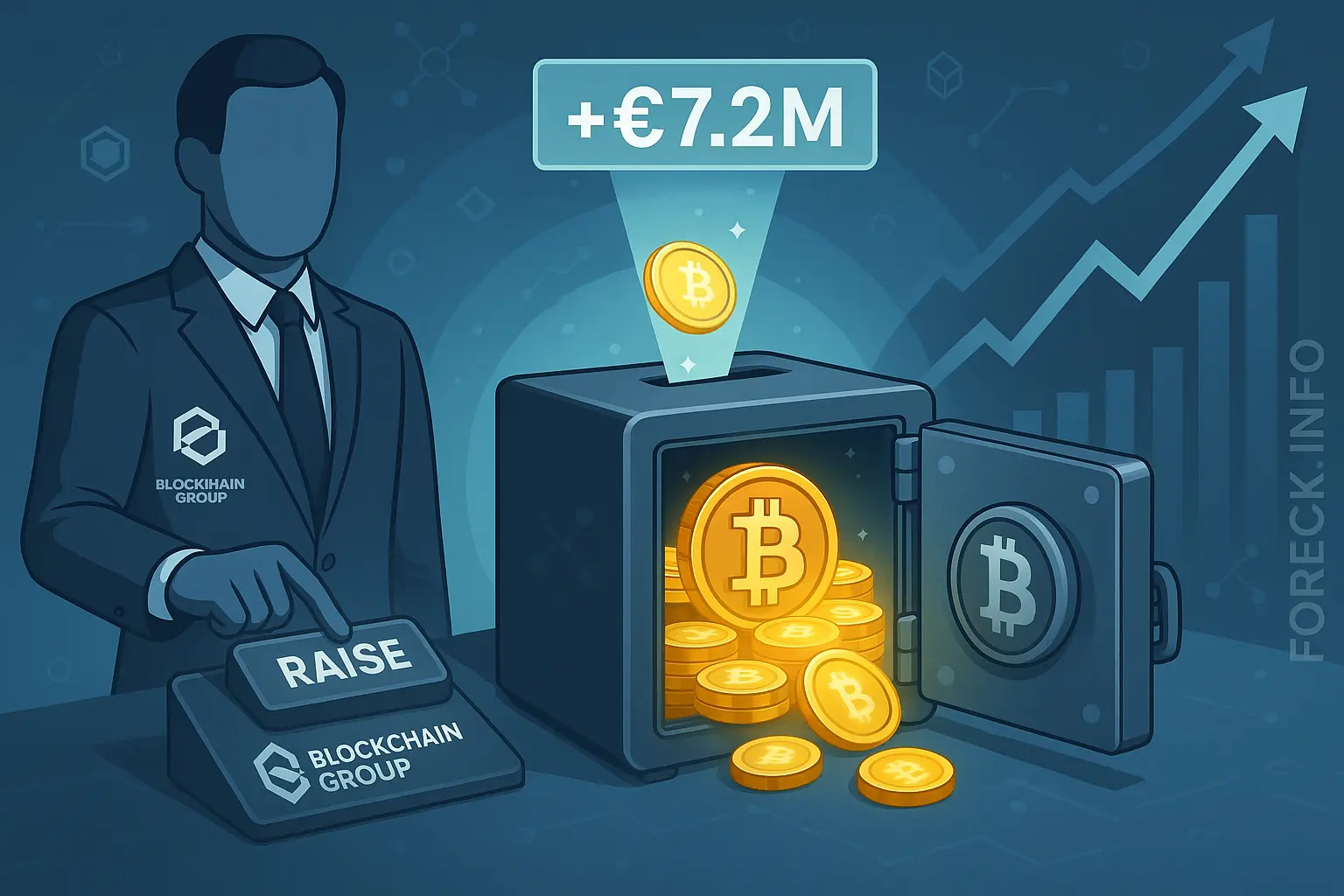
 The Blockchain Group, a French public company positioning itself as Europe’s first listed firm with a bitcoin treasury, has announced the successful completion of a €7.2 million (approximately $8.3 million) capital raise. The company issued 1.6 million new shares at an average price of €4.49 per share, with leading investment from TOBAM via its associated entities.
By John Isige JPMorgan Chase just made another big move into digital assets. The bank has officially filed a trademark application with the U.S. Patent and Trademark Office (USPTO) for the brand name “JPMD” — a step that many in the industry see as groundwork for its own stablecoin. The filing is still pending, but according to USPTO records it covers a wide spectrum of services: virtual asset trading, digital exchange and transfers, payment processing, blockchain-based asset issuance, brokerage services, and electronic money transfers.
 By John Isige
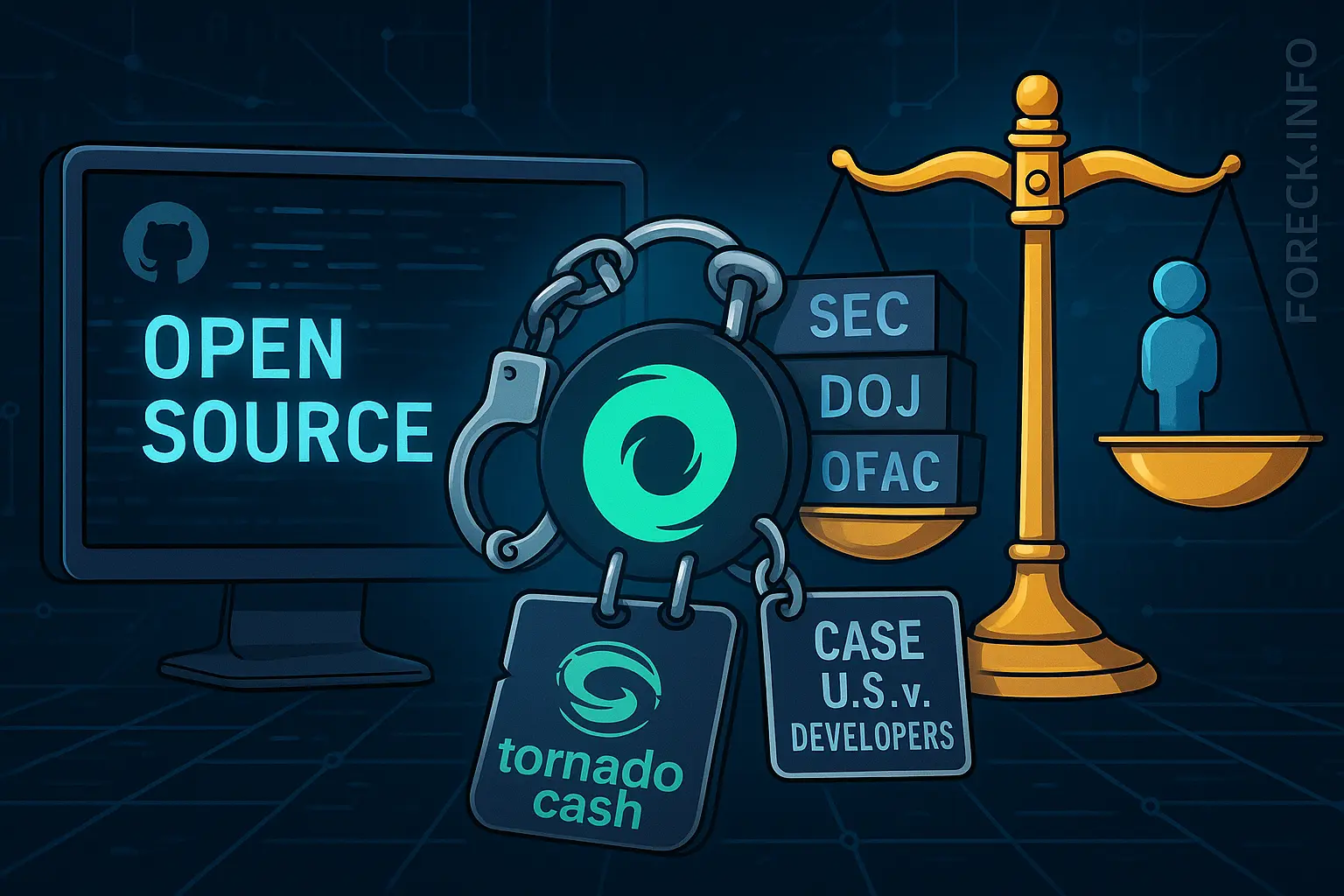
 Paradigm, a prominent venture capital firm, has filed amicus curiae briefs supporting Tornado Cash co-founder Roman Storm ahead of his high-profile trial, scheduled to begin July 14, 2025, in New York. The legal memo underscores that the ongoing prosecution poses a direct threat to the future of open-source software development in the United States—heightening industry-wide concerns about the criminalization of code.


For crypto, the framework is similar to traditional financial markets but comes with its own twist. Here, price action turns on liquidity, adoption, regulation, and flows from institutions alongside retail sentiment. Network health—hash rate, staking, active wallets—adds another layer. Macro still matters too: rates, dollar strength, and risk appetite shape inflows and outflows. Then, as with any market, you use the chart—trend, support and resistance, momentum, and volume—to spot setups and manage risk.