

Top Pick
- Fully licensed and regulated US exchange
- Strong focus on security and compliance
- User-friendly interface for beginners

The cryptocurrency market strengthened earlier this week but came under sharp selling pressure on Thursday, erasing much of its previous gains. In the latest market snapshot, Bitcoin (BTC) is trading near 81600.00 (+0.9%), Ethereum (ETH) at 2400.00 (+2.1%), Tether (USDT) at 0.9991 (–0.01%), BNB at 744.00 (+5.1%) and XRP at 1.3250 (+4.8%). Total cryptocurrency market capitalization has declined to approximately $2.73 trillion, while Bitcoin dominance has increased to 60.0%. From October 19 to 22, US spot Bitcoin ETFs recorded net inflows of $439.1 million, while Ethereum ETFs saw outflows of $225.1 million. The market remains volatile despite the recovery attempt discussed in our previous crypto weekly review.

 By John Isige
 A major tokenomics overhaul by OKX sends its native token soaring, as traders react to a once-in-a-lifetime supply cut.
 By John Isige
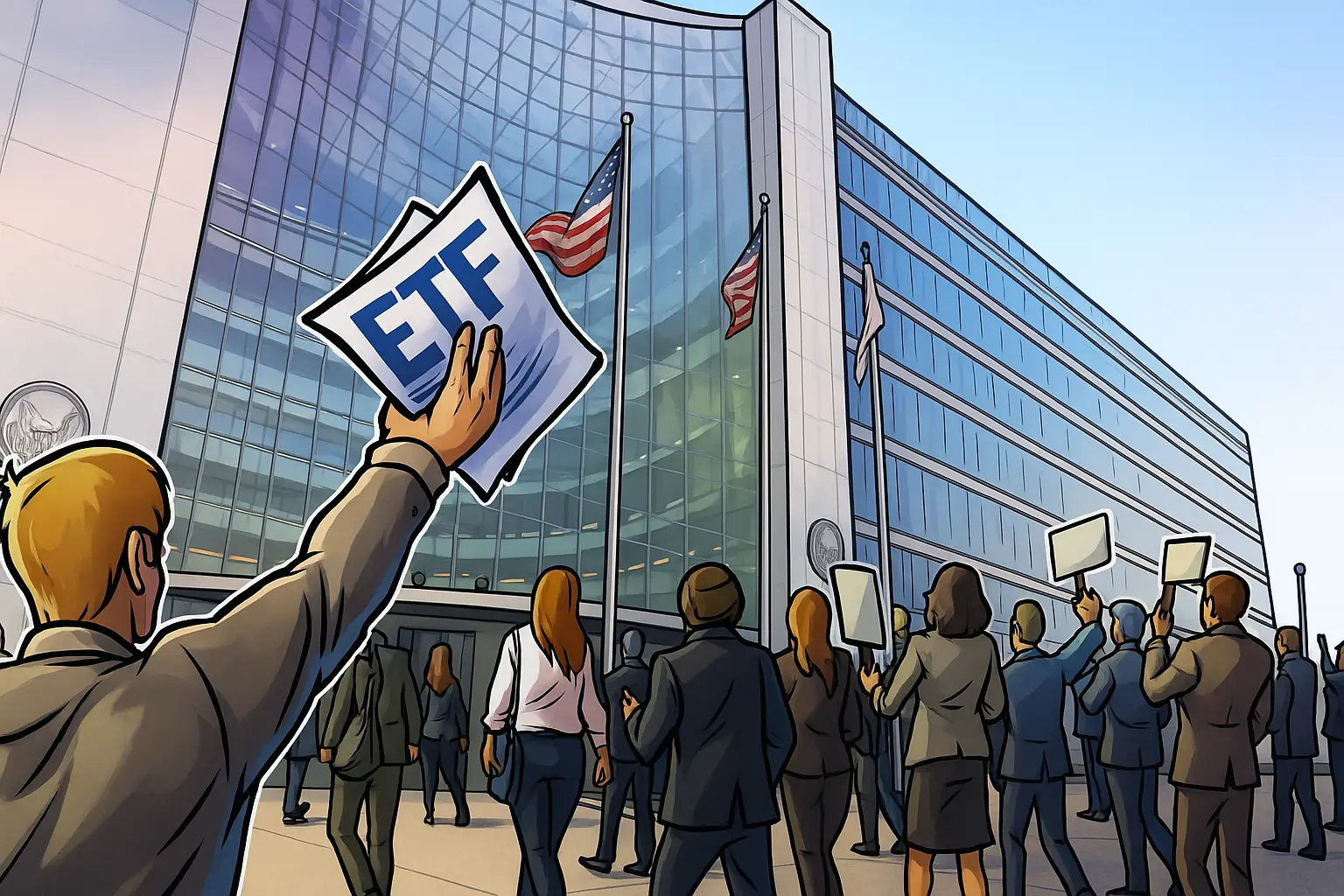
 Ethereum ETFs just can’t stop pulling in money. After a record-breaking Monday, U.S. spot funds added another $523.9 million on Tuesday, August 12, pushing the winning streak to six straight sessions with a total of $2.33 billion flowing in. The surge has helped drive ETH closer to its all-time high, with the token rallying 8.5% in 24 hours to $4,667 — just shy of the $4,878 peak set back in November 2021.
 By John Isige
 On August 13, the Fear and Greed Index for crypto hit 73 — a clear sign of strong risk appetite among investors. We break down what the number means, how to use it, and where BTC, ETH, and SOL stand right now.
 By John Isige
 ETH is closing in on its record as the community weighs in with fresh forecasts. Here’s why Ethereum is rising now — and what crypto investors are watching next.
 By John Isige
 Tron (TRX) has been trending higher for months. A fresh yearly high would add fuel to the move. Here are the levels that matter for investors now
 By John Isige
 The price of Lido (LDO), the largest Ethereum liquid-staking provider, is showing a distinctly bullish tone. Here’s what investors should watch for in the days ahead.
 By John Isige
 For the first time, a decentralized finance (DeFi) protocol has been rated by a major traditional credit rating agency — marking a new stage in the convergence between blockchain and mainstream finance.
 By John Isige
 An early participant in Ethereum’s Initial Coin Offering (ICO) has cashed out, selling part of their holdings and locking in a staggering gain.
 By John Isige
 While Bitcoin and parts of the altcoin sector are trading in the red, the world’s second-largest cryptocurrency is once again showing its strength.
 By John Isige
 Ethereum is now trading just 11% below its all-time high, outpacing Bitcoin’s growth rate — a signal many in the market see as one of the clearest signs that altseason is underway.
 By John Isige
 This week’s latest U.S. inflation figures and retail sales data could significantly shape Bitcoin’s (BTC) price trajectory — and set the tone for the broader crypto market.
 By Andrew Bennett
 Ethereum is on the rise. Billion-dollar buys, ETF inflows, and major technological upgrades are fueling the rally. Which price levels are critical now, and where could risks emerge?


For crypto, the framework is similar to traditional financial markets but comes with its own twist. Here, price action turns on liquidity, adoption, regulation, and flows from institutions alongside retail sentiment. Network health—hash rate, staking, active wallets—adds another layer. Macro still matters too: rates, dollar strength, and risk appetite shape inflows and outflows. Then, as with any market, you use the chart—trend, support and resistance, momentum, and volume—to spot setups and manage risk.