

“History shows that societies that prospered most from innovation weren’t just users of technology—they were the creators,” Buterin wrote.
He argued that openness and verifiability could act as safeguards against global fragmentation, predicting that such systems may eventually serve as the foundation of global infrastructure.
“If left unchecked, we will likely end up with digital technologies controlled by centralized corporations,” he cautioned. “But there is still an opportunity to guide this trajectory in a healthier direction.”
Open and Transparent Solutions in Healthcare and Finance
Buterin criticized proprietary medical technologies for restricting access, fostering “data monopolies,” and raising surveillance concerns.
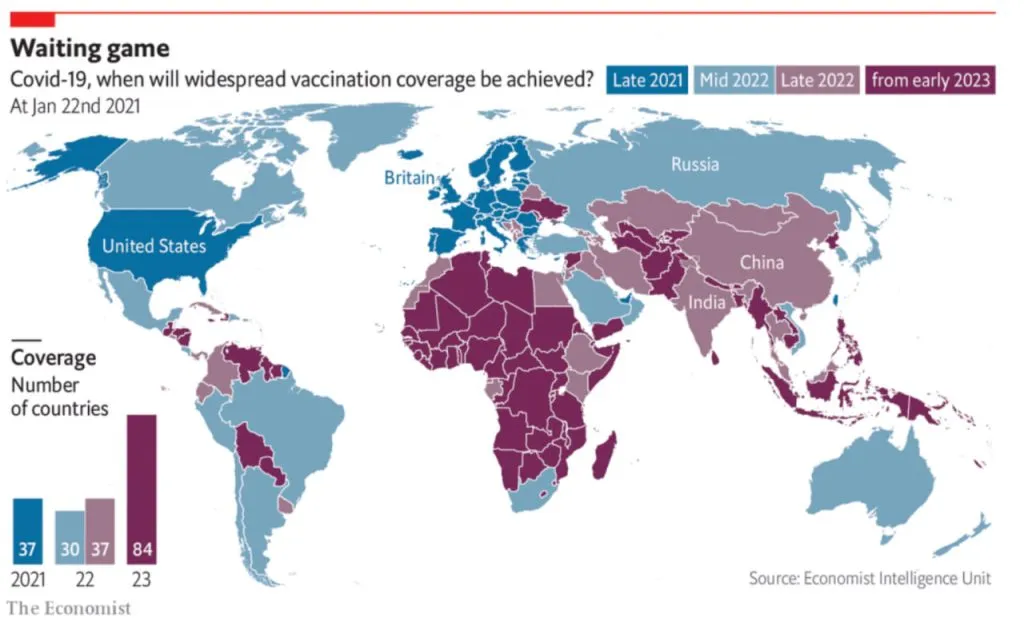
He cited the COVID-19 vaccination rollout as an example, noting how reliance on closed production and communication systems undermined public confidence. In contrast, initiatives like PopVax, which embrace open processes, help lower costs and rebuild trust.
The same issues, he argued, affect finance. Buterin contrasted the efficiency of crypto—where his transaction was completed in five seconds—with the inefficiency of traditional systems, recalling that sending a signed legal form abroad took 30 minutes and cost $119.
“Blockchain networks and crypto wallets already demonstrate the power of open, verifiable infrastructure to remove inefficiencies,” he said.
He also called for secure open-source hardware and software for critical public systems such as voting, stressing that closed “black box” solutions cannot win lasting public trust.