The US dollar strengthened against the euro, sterling and yen ahead of Kevin Warsh’s Jackson Hole speech on August 28. The Australian dollar outperformed its major peers, while oil slipped as traders weighed Washington’s shift towards economic pressure on Iran.
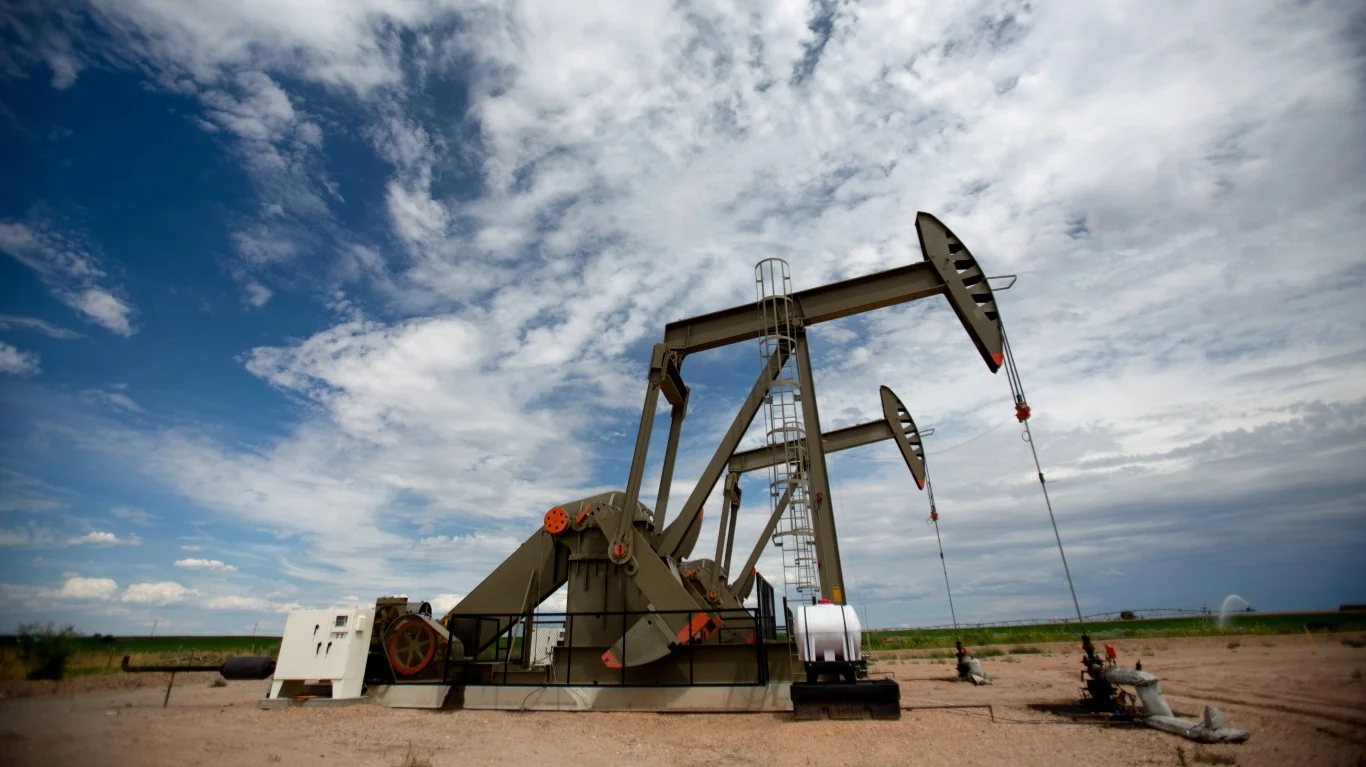
During the Asian session, WTI crude oil prices moved above the key level of 63.00 amid relative calm in the news flow. U.S. President Donald Trump, who has been at the center of media attention since the beginning of the year, shifted focus back to Federal Reserve issues, allowing the sector to move into an upward correction. Meanwhile, after a three-month pause, two Chevron Corp. tankers carrying Venezuelan crude arrived at a U.S. port after the Treasury Department granted the company a limited license to operate in Venezuela. Two more vessels have completed loading and will head to the U.S. shortly.
The USD/CHF pair is trading in a corrective trend at 0.8055, preparing to extend growth. The Swiss franc remains neutral against the U.S. dollar despite general stability versus other major currencies.
Last week the EUR/USD rate dropped to 1.1597 (Murray level [6/8]) but then rebounded to 1.1719 (Murray level [8/8]) following comments by Fed Chair Jerome Powell at the Jackson Hole economic symposium.
On Friday, USD/JPY dropped 0.95% to 147.31 following the release of July’s nationwide CPI, which rose 3.1% year-on-year, above the 3.0% forecast and the Bank of Japan’s 2.0% target. On a monthly basis, the index remained at 0.1%. Energy prices fell 0.3% for the first time since March last year, while food prices excluding fresh items accelerated to 8.3%. The data highlight growing pressure on household finances and increase expectations for a policy shift at the Bank of Japan’s September 19 meeting, supporting the yen. Markets will now focus on Japan’s July labor data and Tokyo’s August CPI, expected to show unemployment stable at 2.5% and inflation accelerating from 2.7% to 2.9%. July industrial production, due at 01:50 (GMT+2), may rise from –1.0% to 2.1% m/m.
XAU/USD quotes remain slightly above the 3350.0 support level, moving away from the prospect of updating the yearly high at 3500.0 after U.S. President Donald Trump announced that the recently introduced 39.0% tariffs on imports of gold bars over 100.0 ounces, scheduled to take effect on August 25 and targeting Switzerland’s largest export sector, would not be applied. Analysts had predicted that such measures could drive global gold prices higher and redirect trade flows to Asia. Bloomberg reported that tariffs above the expected 15.0% could have pushed gold prices into the 3,300–3,600 range per ounce within three months.
Recent Analysis on Forex, Gold, Oil & Global Markets
Latest Forex and commodity market news, analysis, and trends from FORECK.INFO. Markets are driven by macro data, central bank decisions, earnings, and supply-demand factors. Technical analysis helps identify trends, key levels, and potential trading opportunities while managing risk.