
On July 23, BitMEX, one of the oldest cryptocurrency derivatives exchanges and the creator of the perpetual swap concept, announced that it would completely cease operations after more than 11 years in business.
BitMEX Officially Announces Closure
In a notice to customers, BitMEX said that all trading operations would be suspended at 04:00 UTC on September 23, 2026. New account registrations were discontinued as soon as the announcement was published. To avoid additional risks during the platform’s closure, the exchange recommended that users close all open positions and withdraw their funds as early as possible. HDR Global Trading Limited, the company that owns and operates BitMEX, said the decision followed a strategic review of the business amid significant changes in the cryptocurrency market.
The company acknowledged that closing the exchange was not an easy decision, but said it had been made after a thorough assessment of the situation.
Users Will Be Unable to Open New Positions From Late August
According to the published timeline, users will no longer be permitted to open new trading positions from 04:00 UTC on August 26, 2026. They will only be able to reduce or close existing positions. From August 26 until the final shutdown, BitMEX will gradually begin forcibly closing remaining positions to ensure an orderly conclusion to trading. Any positions that remain open at 04:00 UTC on September 23, 2026, will be automatically closed by the system. For contracts with low liquidity, the exchange may apply an early settlement procedure in accordance with its existing rules. Users will be notified in advance of any such action.
After trading ends, customers will still be able to access their accounts, check wallet balances, review transaction history and withdraw any remaining assets. However, fully verified accounts with funds left on the platform after the shutdown will be charged a custody fee. The fee will amount to either $50 or 1% per year of the account balance, whichever is higher. It will be charged monthly until all assets have been withdrawn.
BitMEX warned that a surge in withdrawal requests could result in longer processing times than usual. The exchange nevertheless stated that all customer assets remain fully backed, according to its Proof of Reserves and Liabilities reports.
The End of an Era for a Crypto Market Icon
BitMEX was founded in 2014 by Arthur Hayes, Ben Delo and Samuel Reed. For several years, the platform held a dominant position in the cryptocurrency derivatives market.
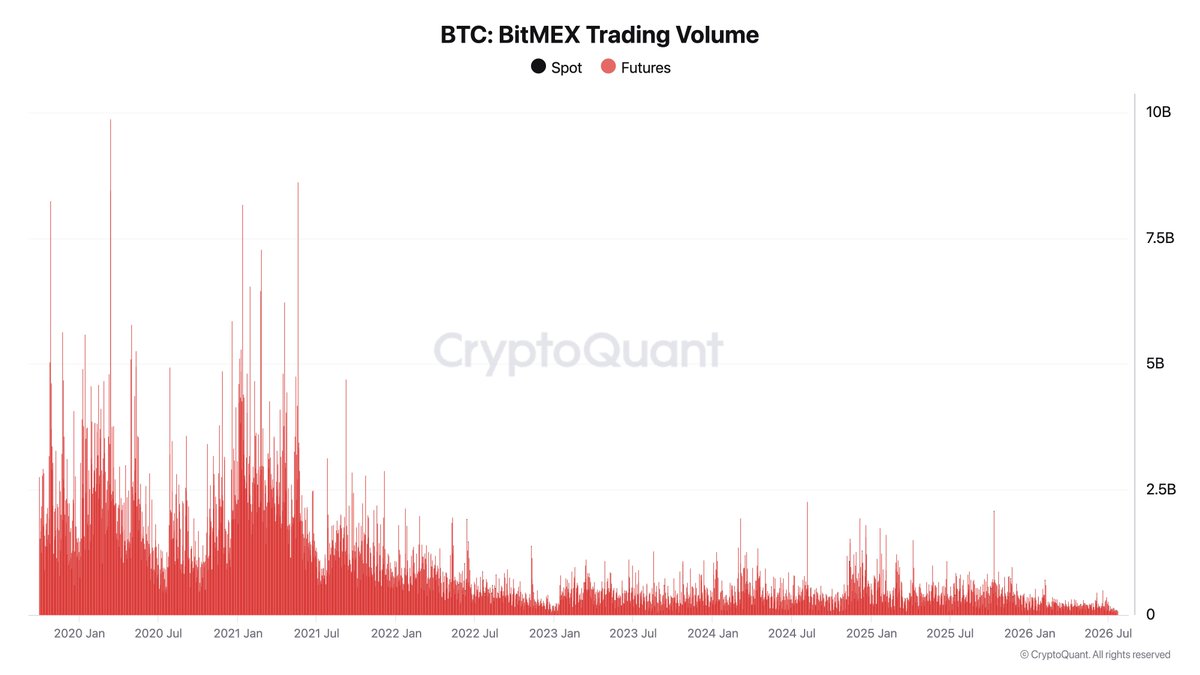
The exchange was the first to introduce perpetual contracts with leverage of up to 100x. The product later became an industry standard and was adopted by major platforms, including the Binance cryptocurrency exchange, Bybit and OKX. BitMEX said it remains proud of its contribution to the cryptocurrency industry over the past decade. The exchange also emphasized that no customer had lost funds as a result of a security breach during its more than 11 years of operation. However, BitMEX gradually lost its leading position in recent years amid growing competition from newer platforms, including Binance and Bybit.
In 2020, Arthur Hayes and the other co-founders stepped down from their executive roles after US authorities charged them with violating anti-money laundering requirements and operating an unregistered trading platform.
In 2025, reports emerged that BitMEX was seeking a buyer for the business, although no transaction was ever officially announced.
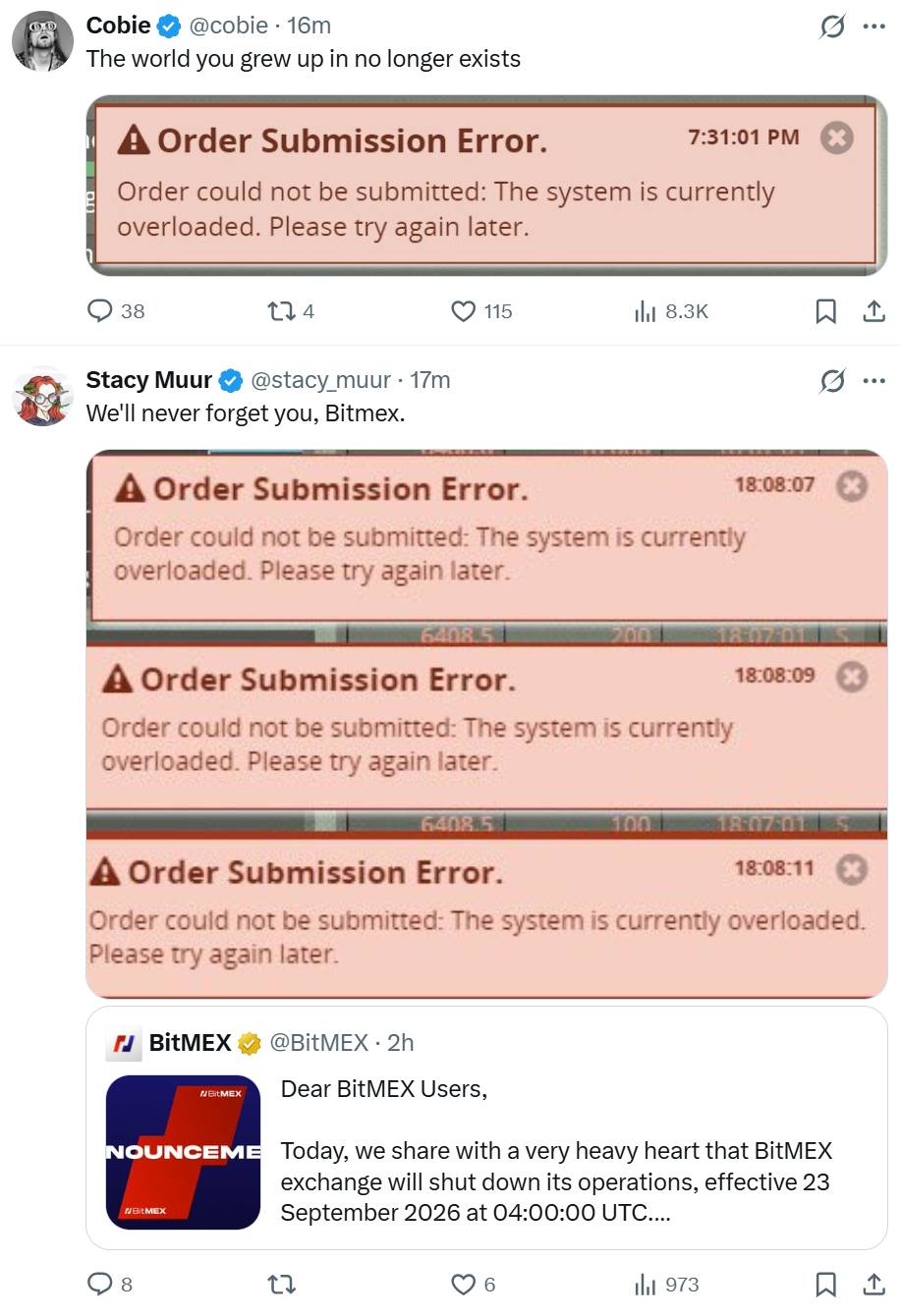
Conclusion: According to FORECK.INFO, the closure of BitMEX marks the end of an era in the crypto derivatives market, where technological innovation alone is no longer enough to guarantee long-term leadership. Users should not delay closing their positions and withdrawing funds, as custody fees will apply to assets left on the platform after trading ends.
Ahead of BitMEX’s shutdown, traders should choose an alternative platform before trading operations end. The FORECK.INFO cryptocurrency exchange ranking compares leading platforms by fees, trading conditions, supported markets, security features, functionality and verified customer reviews. This helps traders evaluate the available options and select an exchange that best matches their strategy, experience and risk requirements.
