

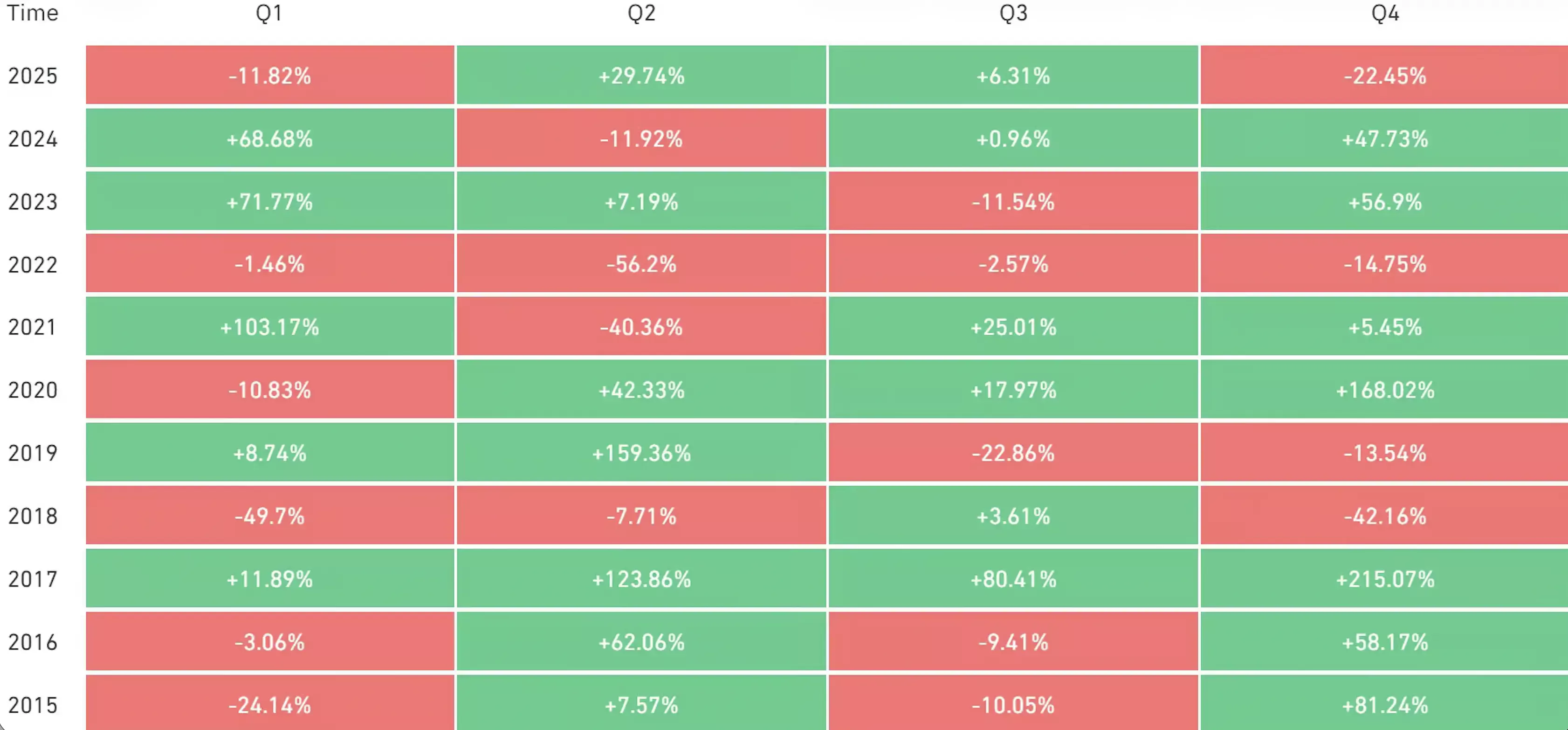
Although the fourth quarter is traditionally Bitcoin’s strongest seasonal period, that tailwind failed to materialize in 2025. Since early October, BTC has corrected by about 23% and risks ending the year in negative territory unless a durable rebound develops before late December. Against this backdrop, sentiment remains fragile: the Fear & Greed Index has slipped to 20 points, a level associated with “extreme fear.” Similar readings were last seen in November 2022 after the FTX collapse.
However, CoinShares analyst Matthew Kimmell argues that the current weakness may be only a pause ahead of a larger move. In comments, he shared an updated Bitcoin outlook for 2026, noting that the fundamental setup for further upside remains intact.
A stabilization phase before the next impulse
According to Kimmell, Bitcoin’s upside potential in 2026 remains high, even if the path higher is unlikely to be linear. Before the market can unlock meaningful upside, it may need to go through a rebalancing phase. That process could extend into the first quarter—and potentially into the second—as excess supply continues to weigh on price action.
He adds that the broader macro backdrop remains broadly supportive. Once the market reaches a new equilibrium, improving liquidity conditions—especially from the US Federal Reserve—could re-emerge as a key tailwind. In that scenario, Bitcoin may move higher in step with other risk assets.
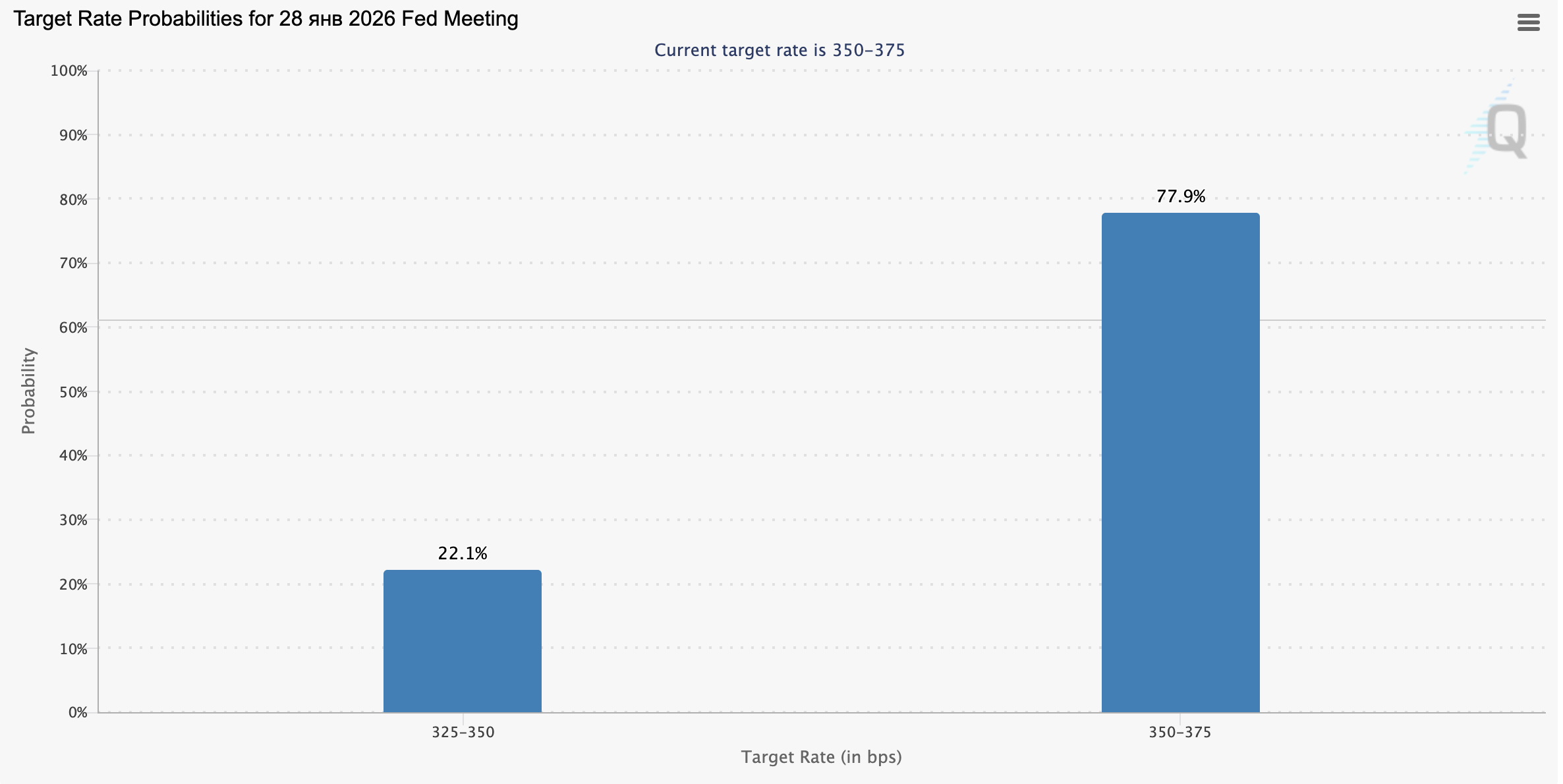
Lower interest rates are typically viewed as a bullish catalyst for BTC. However, after the Fed’s recent rate cut to the 3.5%–3.75% range, roughly 80% of market participants expect policymakers to pause in January and keep rates unchanged.
CoinShares forecast: $140,000 as the base case
For long-term investors, patience may be rewarded. Kimmell notes that CoinShares’ more conservative model—built around Bitcoin adoption dynamics—implies a floor valuation near $140,000 by the end of 2026. The logic behind this scenario is continued growth in global BTC ownership and savings-driven inflows that help build durable demand.
At the same time, a less conservative top-down framework, which factors in the expansion of Bitcoin’s total addressable market, allows for significantly higher outcomes. This approach looks at BTC penetration into segments such as global money supply, gold, FX reserves, and corporate liquidity. Under favorable conditions, CoinShares estimates Bitcoin could plausibly approach the $240,000 area in 2026.
Not everyone shares the optimism
Still, the industry also features more cautious views. Fidelity’s Jurrien Timmer has not ruled out a new bear market in 2026. In his view, Bitcoin may be completing another four-year halving cycle both in time and in price. He highlights a major support zone in the $65,000–$75,000 range.
As a result, the market is still facing a key question: does the classic four-year cycle remain in place, or will rising institutional participation reshape Bitcoin’s market dynamics? Either way, one conclusion stands out—2026 is likely to be a strategically important year for Bitcoin and the broader crypto market.