The US dollar strengthened against the euro, sterling and yen ahead of Kevin Warsh’s Jackson Hole speech on August 28. The Australian dollar outperformed its major peers, while oil slipped as traders weighed Washington’s shift towards economic pressure on Iran.
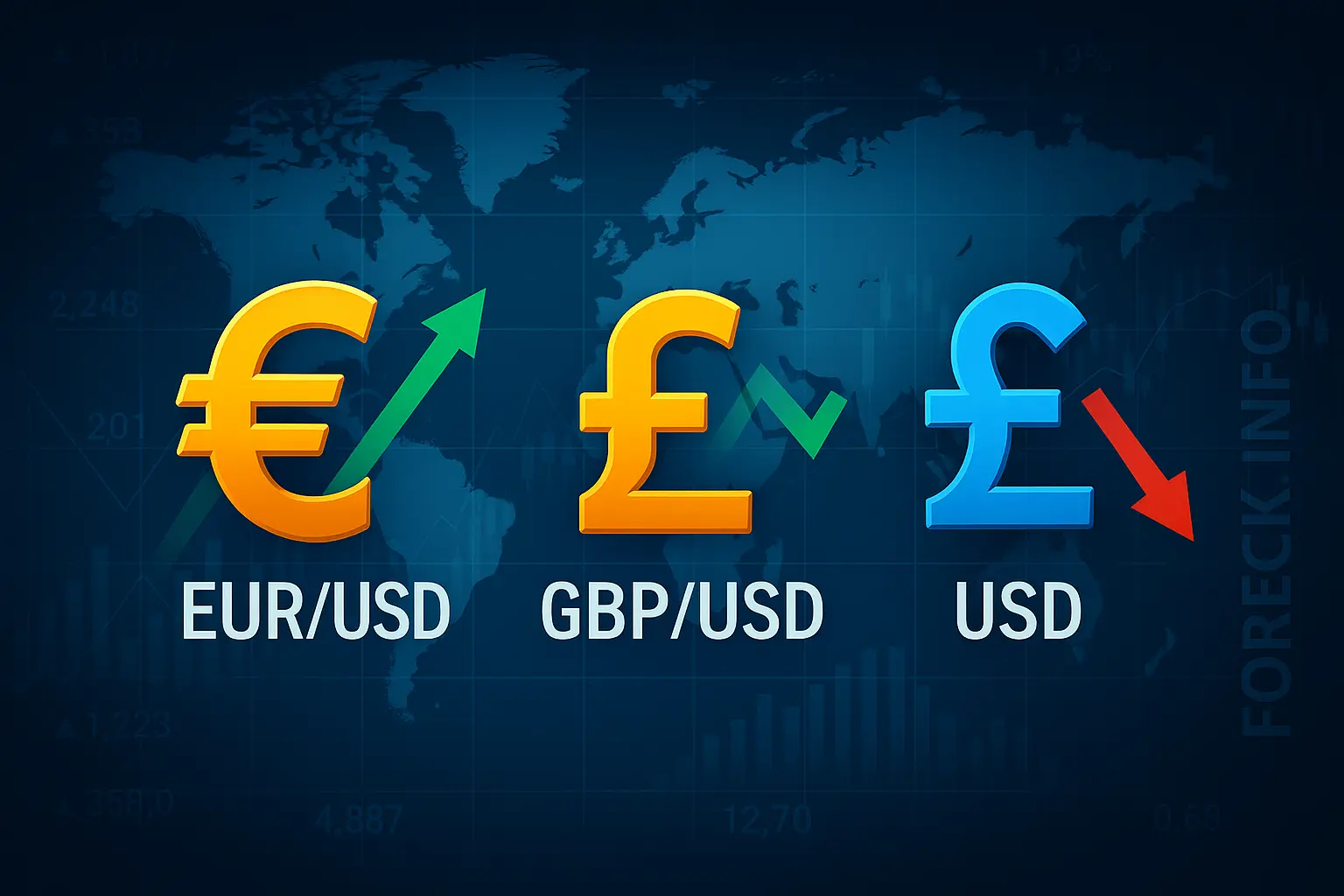
EUR/USD has staged a sharp reversal since the start of 2025. After ending December near 1.04, the pair climbed to around 1.1608 by June 24, gaining close to 12%. Much of that advance came as the US dollar lost momentum and investors began reassessing the outlook for American growth, inflation and trade policy.
The euro continues its moderate corrective advance against the US dollar during the Asian session, breaking to new highs not seen since October 2021 as EUR/USD tests the $1.1615 resistance. Dollar sentiment remains fragile following weekend headlines: a US-led airstrike on Iranian nuclear sites was quickly followed by counterattacks from Tehran targeting military installations in Qatar and Iraq — yet, crucially, without major damage. As the week opened, both Iran and Israel agreed in principle to a ceasefire, easing geopolitical risk and weakening the dollar’s safe-haven appeal, even as scattered reports of violations persist.
Forex EUR/USD. The euro is advancing against the US dollar in the Asian session, extending a strong bullish momentum that began yesterday. After opening with a negative gap, EUR/USD quickly regained lost ground and is now testing the 1.1610 resistance, approaching multi-week highs.
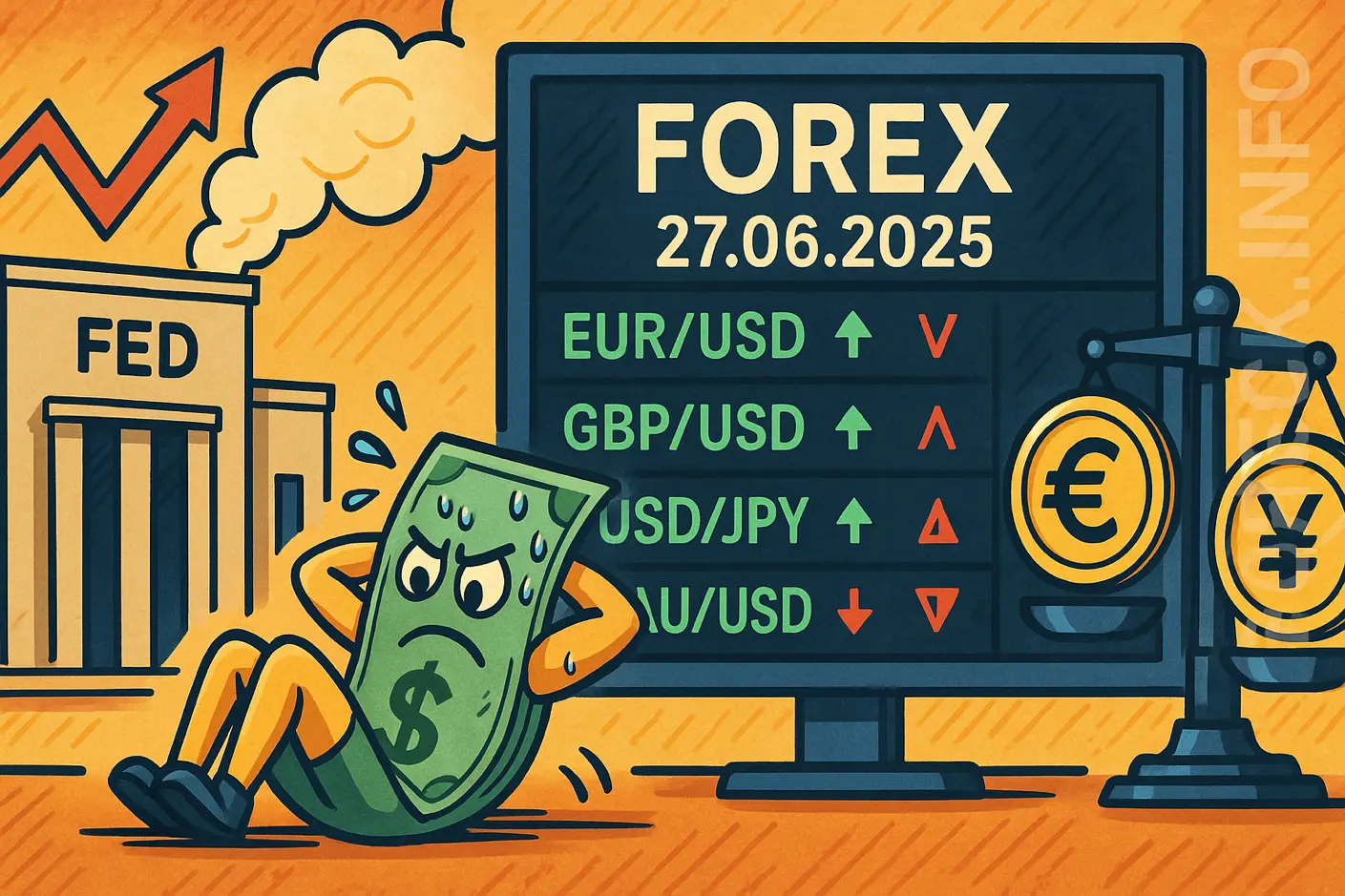
The U.S. dollar is strengthening against the euro, pound, and yen, as forex traders navigate heightened geopolitical risks and mounting inflation concerns. Despite positive momentum for the greenback, investor sentiment remains cautious after U.S. intervention in the Iran-Israel conflict raised fears that Iran could block the Strait of Hormuz, which carries 20% of global oil traffic. Morgan Stanley analysts warn that such an escalation could accelerate inflation, reduce household spending, put pressure on GDP, and trigger an additional economic downturn. In the medium term, stagflation is a risk, leaving the Fed facing a dilemma between fighting recession and containing price growth. As a result, the dollar remains a key safe haven in the current turbulent environment.
The U.S. dollar is losing ground against the yen, euro, and pound in Friday’s forex trade as investors react to central bank policy and escalating geopolitical risks. Currency markets remain focused on the aftermath of the Fed’s fourth consecutive decision to hold rates at 4.25–4.50%, with Fed Chair Jerome Powell hinting at the potential for further dovish adjustments. Uncertainty also surrounds the upcoming July 9 expiration of trade sanction suspensions, which could alter tariff dynamics by late summer.
This week, the cryptocurrency market is displaying mixed trends while attempting to recover from declines triggered by the escalation of the Iran-Israel conflict. As of publication, Bitcoin (BTC) trades near $104,504.80 (+0.09%), Ethereum (ETH) is at $2,513.95 (–0.26%), Tether (USDT) hovers at $1.0000 (–0.05%), XRP is up to $2.1400 (+1.52%), and Binance Coin (BNB) stands at $644.07 (–0.68%). Total crypto market capitalization adjusted to $3.24 trillion, with BTC dominance edging down to 64.1%.
Recent Analysis on Forex, Gold, Oil & Global Markets
Latest Forex and commodity market news, analysis, and trends from FORECK.INFO. Markets are driven by macro data, central bank decisions, earnings, and supply-demand factors. Technical analysis helps identify trends, key levels, and potential trading opportunities while managing risk.