

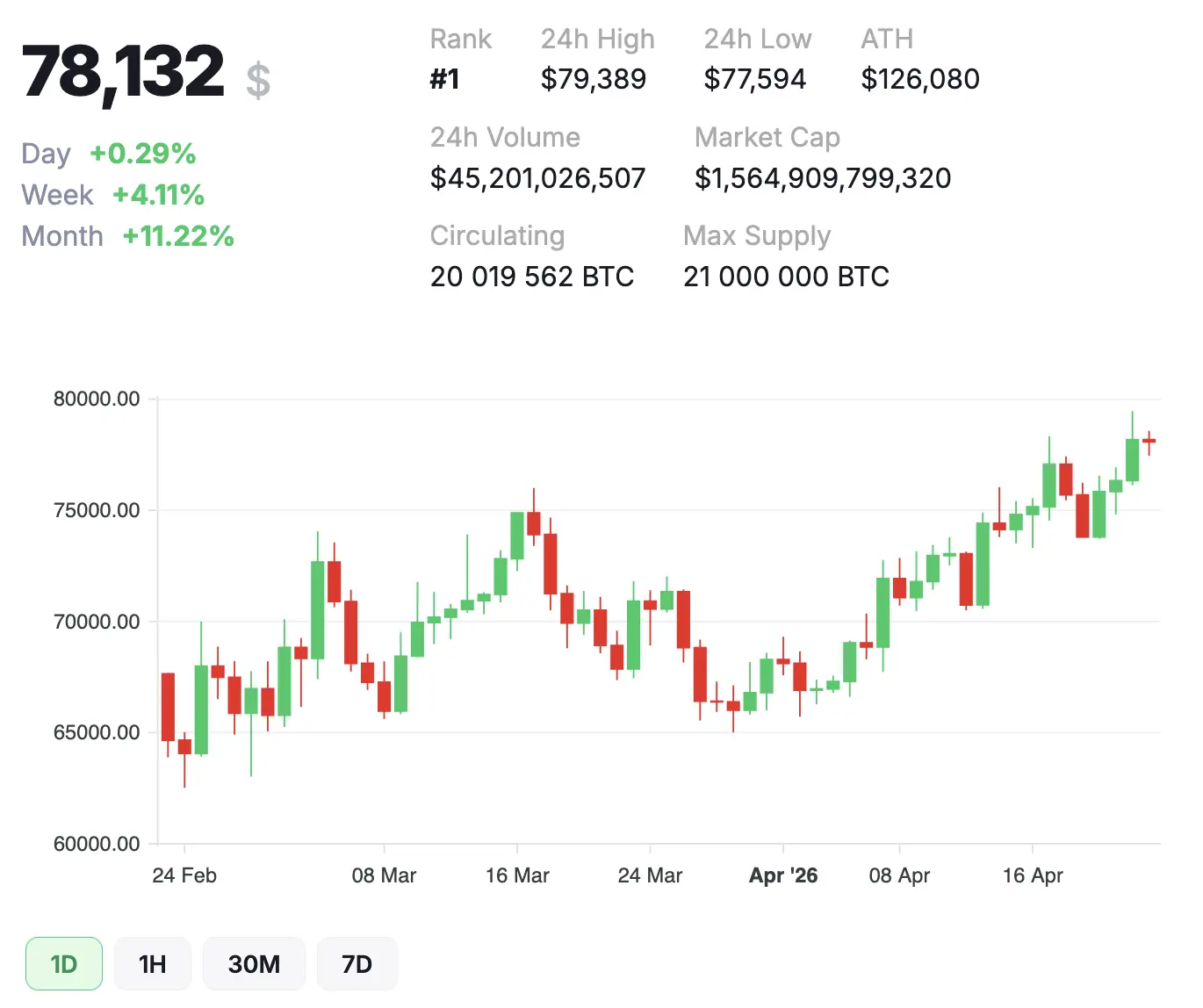
What stands out most is the continued lack of market breadth. Bitcoin is holding up relatively well, but many altcoins are still failing to deliver a convincing follow-through move. That points more to concentrated positioning around BTC than to a broad-based market rally. Pressure on the sector intensified after the Kelp DAO hack, which reportedly involved around $292–293 million and hit connected DeFi protocols hard, triggering a wider wave of withdrawals.
The situation around Aave remains tense. According to CoinDesk and market reports, the protocol’s TVL fell after the incident from roughly $26.4 billion to around $20 billion, with some reports pointing to even lower intraday levels. The platform has reportedly been discussing emergency measures, including market restrictions and the possible use of protective mechanisms to cover problematic debt.
The macro backdrop is not helping the crypto market feel any more confident. Recent Reuters data show that initial US jobless claims remain low, confirming that the labor market is still holding up, but also adding uncertainty around the Federal Reserve’s next steps. Inflation expectations are adding further pressure: in the University of Michigan’s April survey, one-year inflation expectations rose to 4.8%, while consumer sentiment, according to the Wall Street Journal, fell to a record low.
Taken together, the current picture is clear: Bitcoin is still outperforming the rest of the crypto market, but there is still no convincing confirmation of a fresh upside breakout. If BTC once again fails to reclaim and hold the zone above $80,000, traders may shift their attention toward lower support levels. For now, however, Aave and the broader DeFi sector are still dealing with the fallout from the Kelp DAO episode, and caution is likely to remain the dominant market mood.
