

The cryptocurrency market’s mixed performance is being driven by monetary policy factors. On Tuesday, the sector received support from a reduction in the probability of further monetary tightening by the US Federal Reserve following the release of June inflation data. The annual consumer price index fell from 4.2% to 3.5%, beating expectations of 3.8%, while the core indicator declined from 2.9% to 2.6%, compared with the 2.8% forecast. Producer price inflation, published later, slowed from 6.0% to 5.5%, while the core measure edged up from 4.6% to 4.7%, remaining well below the projected 5.2%. The easing of hawkish expectations temporarily supported risk assets that compete with the US dollar. However, longer-term fundamental conditions remain negative for the digital asset sector. Investors are still concerned about a potential rise in oil prices amid escalating geopolitical tensions in the Persian Gulf. Reciprocal strikes against infrastructure, military and industrial facilities have already resulted in another blockade of the Strait of Hormuz, potentially triggering a renewed global energy crisis and accelerating inflation. In addition, US consumer inflation remains significantly above the Federal Reserve’s 2.0% target, and many officials are prepared to adjust interest rates if necessary. Fed Vice Chair Philip Jefferson said borrowing costs may need to be changed unless the inflation outlook improves substantially in the near term. According to the CME FedWatch Tool, the probability of a continued hawkish policy stance by the end of the year currently stands at 73.0%, contributing to a significant weakening of cryptocurrency prices.
Additional pressure comes from uncertainty surrounding the passage of the Digital Asset Market Clarity Act, known as the CLARITY Act. The bill is expected to pass the House of Representatives but could face significant difficulties in the Senate. Approval requires the support of 60 senators, meaning that several Democratic lawmakers would need to vote in favour. Many Democrats oppose the bill because it does not contain so-called ethics provisions that would prevent officials in the current administration from profiting from cryptocurrency transactions. Senators Chris Murphy, Jeff Merkley and Chris Van Hollen recently expressed their opposition to the CLARITY Act, arguing that it fails to address what they describe as President Donald Trump’s potentially corrupt ties to the digital asset industry through the family-linked company World Liberty Financial Inc. The bill may therefore fail to secure Senate approval, delaying the introduction of clear regulatory rules for the sector.
Positive developments include the launch by payments giant Visa Inc. of the Visa Stablecoin Platform (VSP), an enterprise service that allows companies to issue, store, transfer and exchange stablecoins. The platform forms part of Visa’s broader digital asset strategy. The company already supports stablecoin settlements for selected partners, offers cryptocurrency-linked cards and is expanding blockchain-based cross-border payment services. Meanwhile, Morgan Stanley has launched spot cryptocurrency trading through its E*TRADE platform, allowing customers to buy, sell and hold BTC, ETH and SOL, further increasing investor interest in these assets.
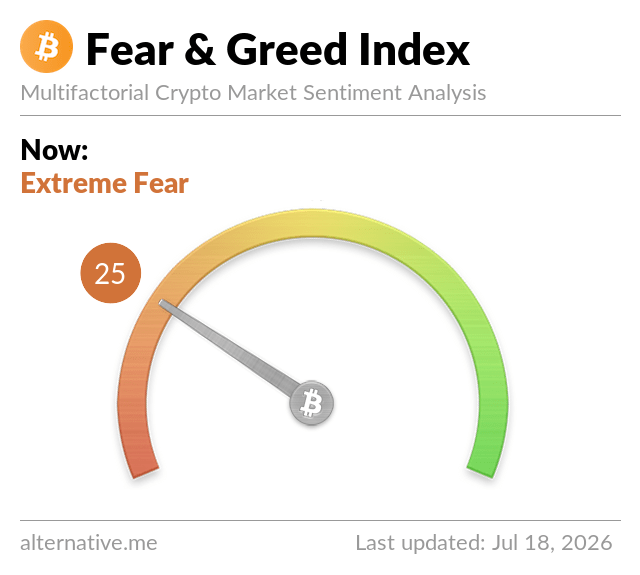
The overall cryptocurrency market outlook remains challenging, as reflected by the Fear and Greed Index remaining in the “fear” zone at 25. Under these conditions, most leading digital assets may resume their decline or enter a period of consolidation in the near term.
Amid high volatility and persistent uncertainty, investors should consider not only current market conditions but also the reliability of their chosen trading platform. Fees, available assets, trading conditions and other features of popular services can be compared in the FORECK.INFO cryptocurrency exchange ranking, which also includes detailed platform reviews and feedback from users.
