


Top Pick

- Fully licensed and regulated US exchange
- Strong focus on security and compliance
- User-friendly interface for beginners

The cryptocurrency market strengthened earlier this week but came under sharp selling pressure on Thursday, erasing much of its previous gains. In the latest market snapshot, Bitcoin (BTC) is trading near 81600.00 (+0.9%), Ethereum (ETH) at 2400.00 (+2.1%), Tether (USDT) at 0.9991 (–0.01%), BNB at 744.00 (+5.1%) and XRP at 1.3250 (+4.8%). Total cryptocurrency market capitalization has declined to approximately $2.73 trillion, while Bitcoin dominance has increased to 60.0%. From October 19 to 22, US spot Bitcoin ETFs recorded net inflows of $439.1 million, while Ethereum ETFs saw outflows of $225.1 million. The market remains volatile despite the recovery attempt discussed in our previous crypto weekly review.

 By John Isige
The Federal Reserve left its target range unchanged at $4.5 %, a widely anticipated decision that keeps U.S. real rates in mildly restrictive territory. Futures priced a 97 % probability of a pause in the hours before the announcement, according to the CME FedWatch Tool, capping the prospect of volatility in the run-up to the event.
 By John Isige
In a landmark fusion of traditional finance and the digital-asset economy, JPMorgan has signed a multi-year agreement with Coinbase that will allow the bank’s credit-card clients to redeem their “Ultimate Rewards” points for the USD Coin (USDC) stablecoin. Every 100 points will be worth exactly $1 in USDC, reflecting a 1:1 peg to the U.S. dollar.
 By John Isige
Solana's Price Action: Technical Battle Lines Drawn
 By John Isige
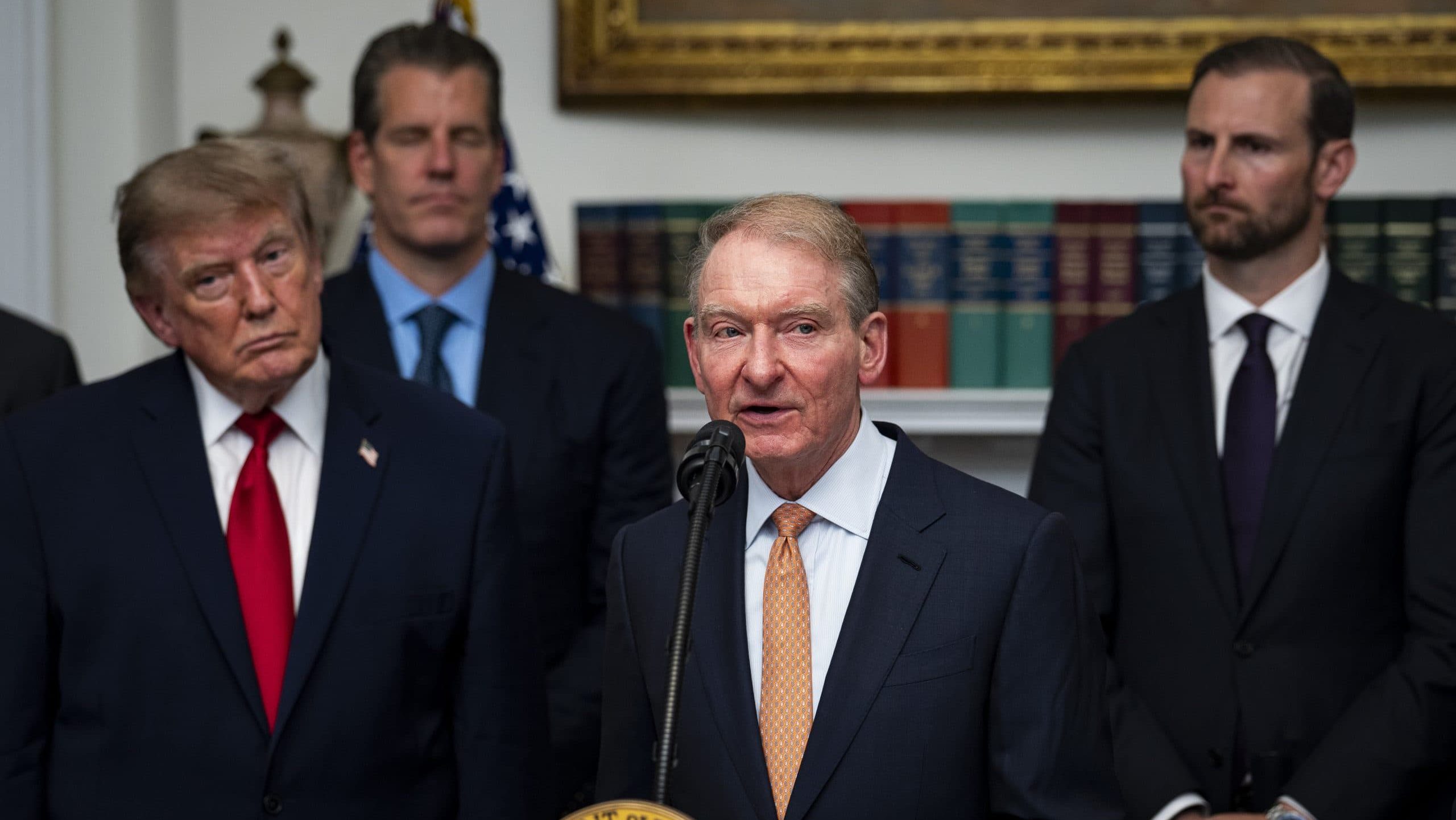
Trump Administration Pushes for Sweeping US Crypto Market Reforms
 By John Isige
SEC Adopts Liberalized Approach to Crypto ETF Redemptions
 By John Isige
2025: Ethereum Enters a New Institutional Era
 By John Isige
Bitcoin’s Institutional Cycle: $200,000 in Sight
 By John Isige
Bitcoin Retreats from Record High as Correction Takes Hold.
 By John Isige
Ripple Faces Scrutiny Over Early Blockchain Erasure
 By John Isige
ADA Technical Outlook: Constructive, Yet Fragile
 By John Isige
Dalio Calls for Clear Bitcoin Allocation as Diversification Tool
 By John Isige
Bitcoin’s Resilience Stands Out as Altcoins Face Pressure


For crypto, the framework is similar to traditional financial markets but comes with its own twist. Here, price action turns on liquidity, adoption, regulation, and flows from institutions alongside retail sentiment. Network health—hash rate, staking, active wallets—adds another layer. Macro still matters too: rates, dollar strength, and risk appetite shape inflows and outflows. Then, as with any market, you use the chart—trend, support and resistance, momentum, and volume—to spot setups and manage risk.