

While many crypto investors are hoping for a renewed Bitcoin rally in 2026, Timmer believes the market could instead face another “crypto winter,” similar to the downturns observed in 2018 and 2022.
“I remain constructive on Bitcoin over the long term, but there is a growing risk that BTC has already completed another four-year halving cycle, both in terms of price action and timing,” Timmer wrote in a recent post on X.
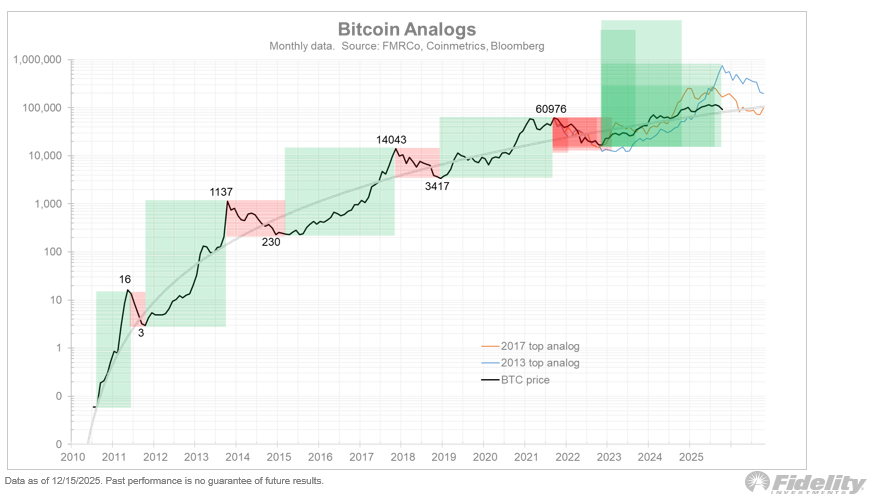
According to Timmer, Bitcoin bear markets have historically lasted around one year. Based on this pattern, 2026 could become a consolidation or “pause” year following the latest halving cycle. He notes that the recent all-time high fits well within Bitcoin’s long-term historical price structure.
“If you visually align all previous bull markets, the October peak near $125,000 after roughly 145 months of expansion looks consistent with what history would suggest,” Timmer said. He added that meaningful technical support may only form in the $65,000–$75,000 range.
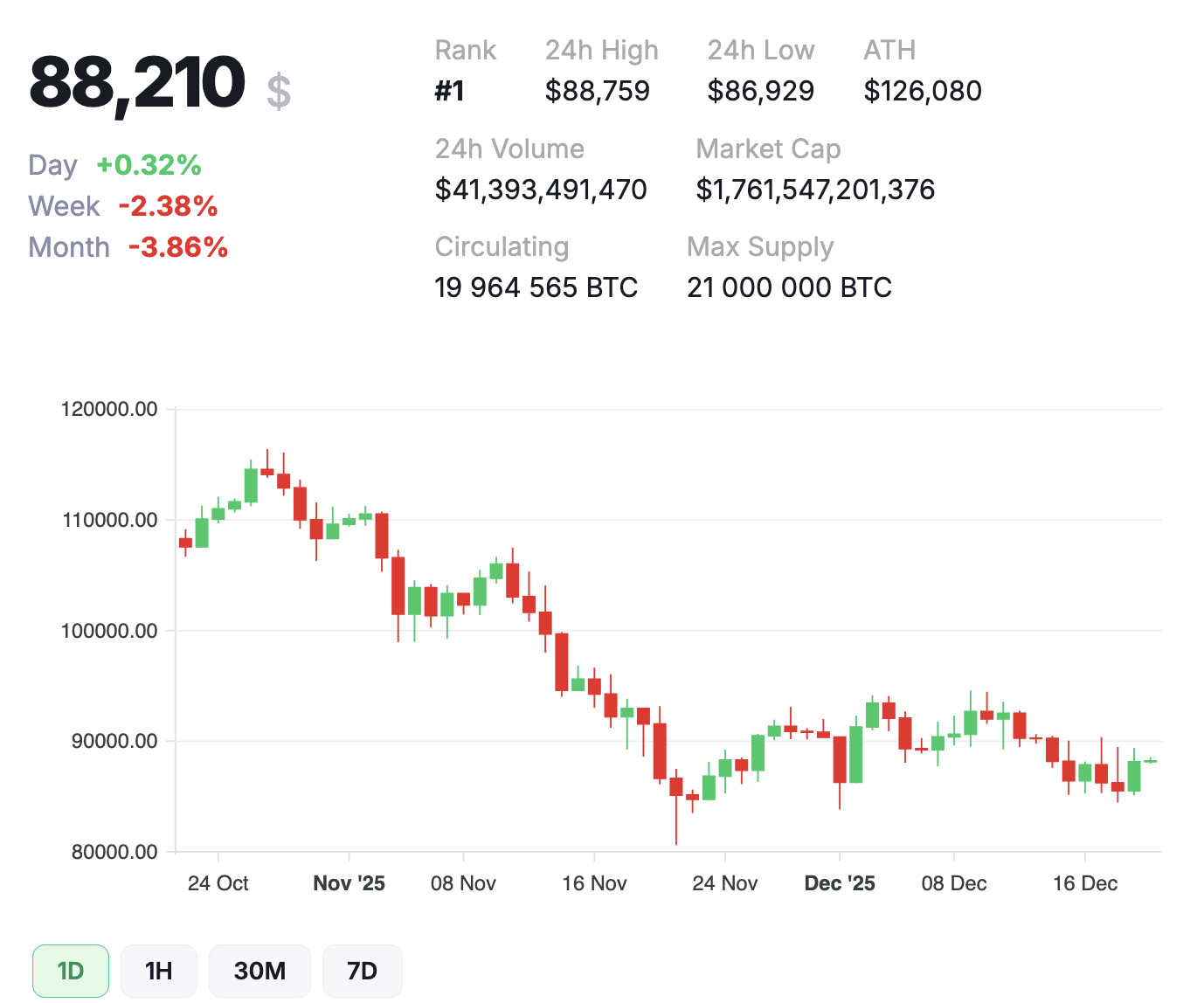
At the time of writing, Bitcoin is trading near $87,200, down about 3.4% over the past week. Additional pressure has come from the Bank of Japan’s decision to raise its benchmark interest rate by 25 basis points. Since the start of the year, BTC has declined by nearly 7%.
Not all market participants agree with Fidelity’s cycle-based outlook. X user Garry Krug argued that four-year cycles were most relevant when Bitcoin was largely driven by retail investors and miners. In his view, rising institutional and sovereign participation is reshaping the dynamics of market bottoms and recoveries.
A more optimistic assessment has come from Fidelity competitor Grayscale. The firm recently suggested that 2026 could mark the end of Bitcoin’s traditional four-year cycle, while macro demand for alternative stores of value and improved regulatory clarity could still support fresh all-time highs over the medium term.