

Waller Opens the Door to a September Pause
The first impulse came from Waller's September 3 remarks at Reuters NEXT. He said he would be inclined to keep the federal funds rate unchanged if incoming inflation figures continued to show improvement. A hotter reading, however, could still justify another increase.
That distinction mattered because the Federal Open Market Committee is due to meet on September 15-16. In the hours after the speech, pricing tracked by CME FedWatch moved close to an even split: the implied probability of a 25-basis-point increase fell from 63.2% to 50.3%, while the chance of no change rose to 49.7%. The 10-year Treasury yield also eased toward 4.73%, taking some pressure off assets that are sensitive to borrowing costs.
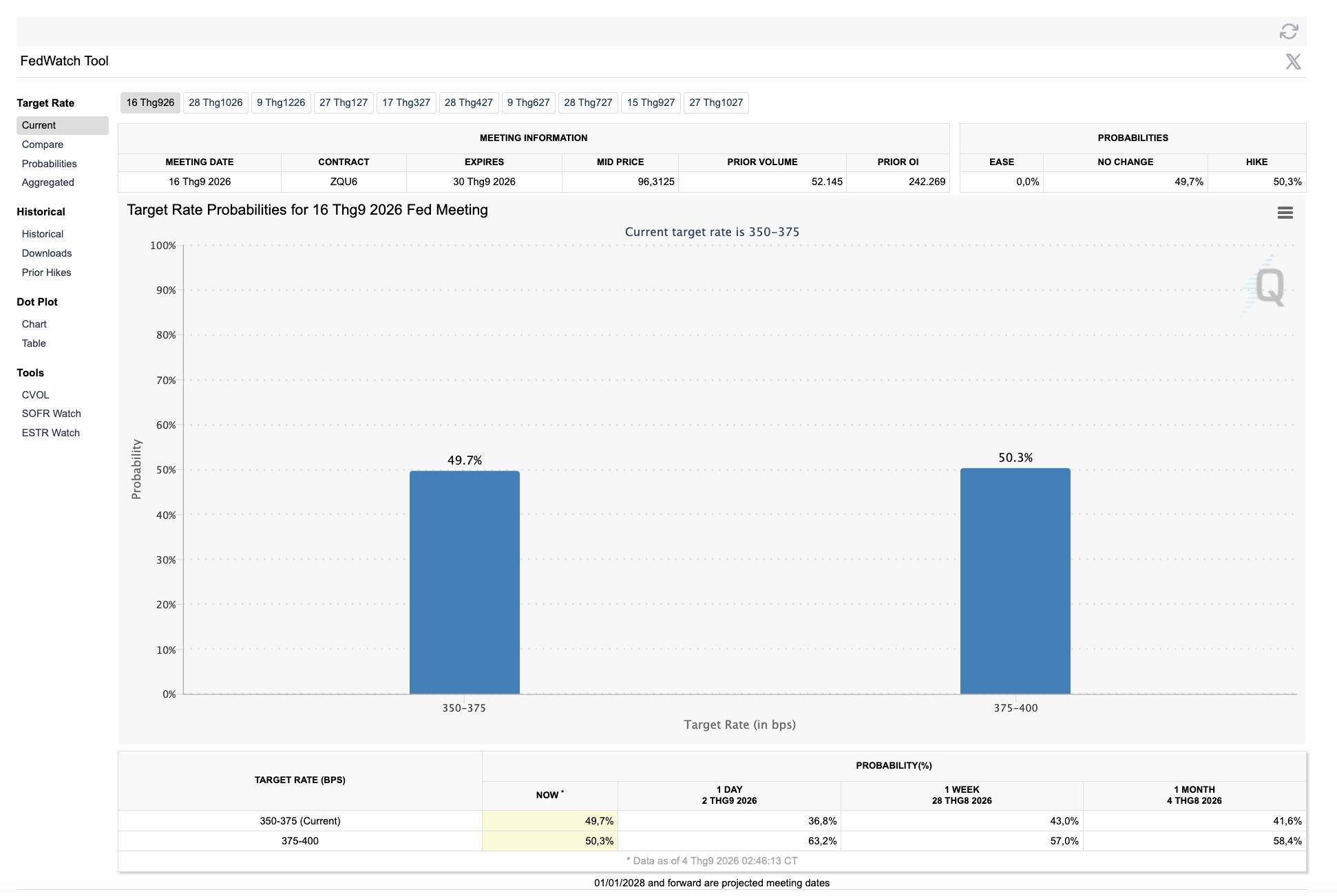
The relief did not last unchallenged. August nonfarm payrolls increased by 162,000 and unemployment held at 4.1%, according to the subsequent jobs report. The stronger reading pushed rate-increase expectations higher again and helped the dollar recover. For crypto traders, it was a reminder that the Fed decision still depends on the data released before the meeting.
Bitcoin's Break Above $82,000 Proves Brief
Bitcoin accelerated through $80,000 and reached an intraday peak above $82,000 before giving back part of the move. It was trading near $80,000 at the time of publication, after gaining roughly 4.5% over the preceding 24 hours at the rally's strongest point.
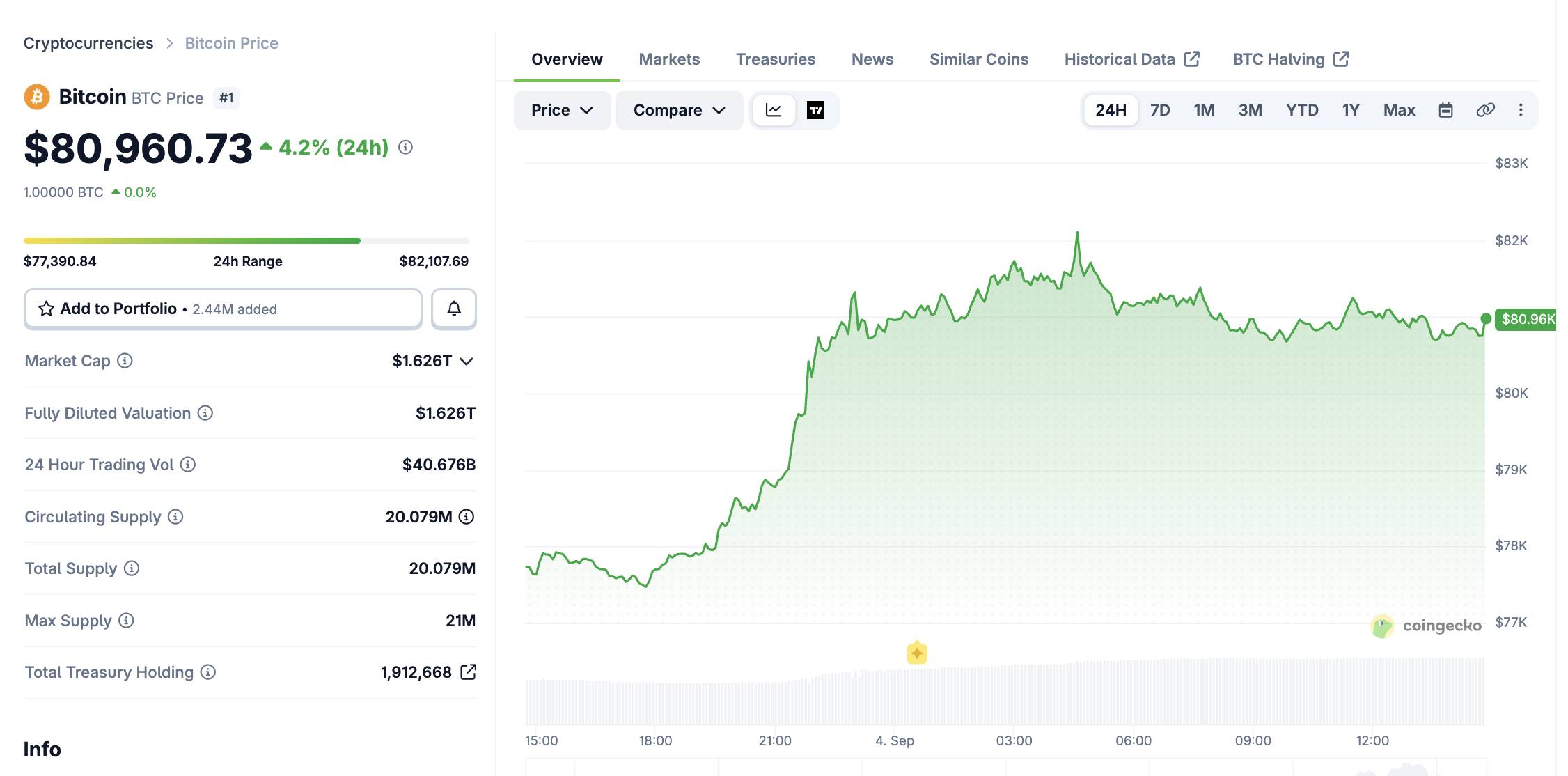
The advance extended the ETF rebound already visible earlier in the week. A pause in rate increases would generally reduce the appeal of cash and short-dated bonds at the margin, while a softer dollar can make dollar-denominated assets easier to buy outside the United States. Those forces do not guarantee a sustained Bitcoin rally, but they explain why even a conditional change in Fed language produced such a quick response.
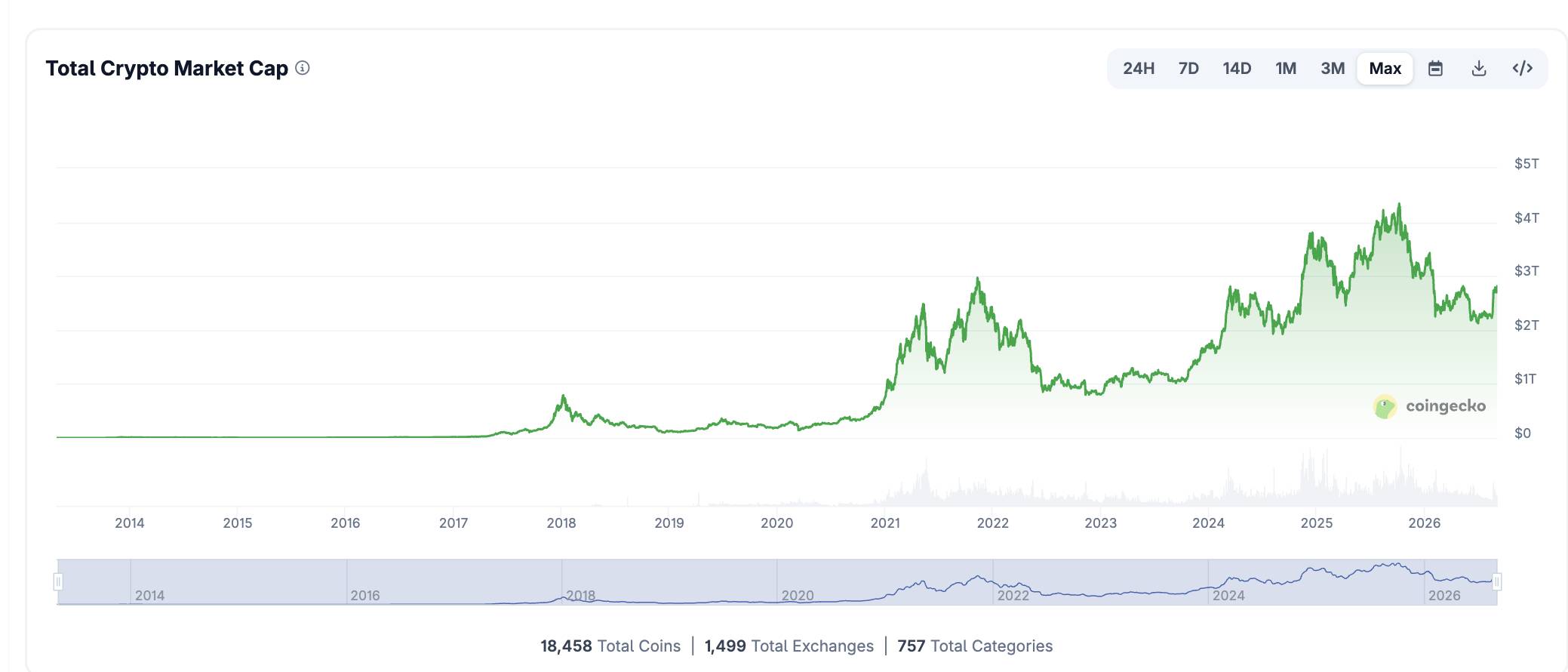
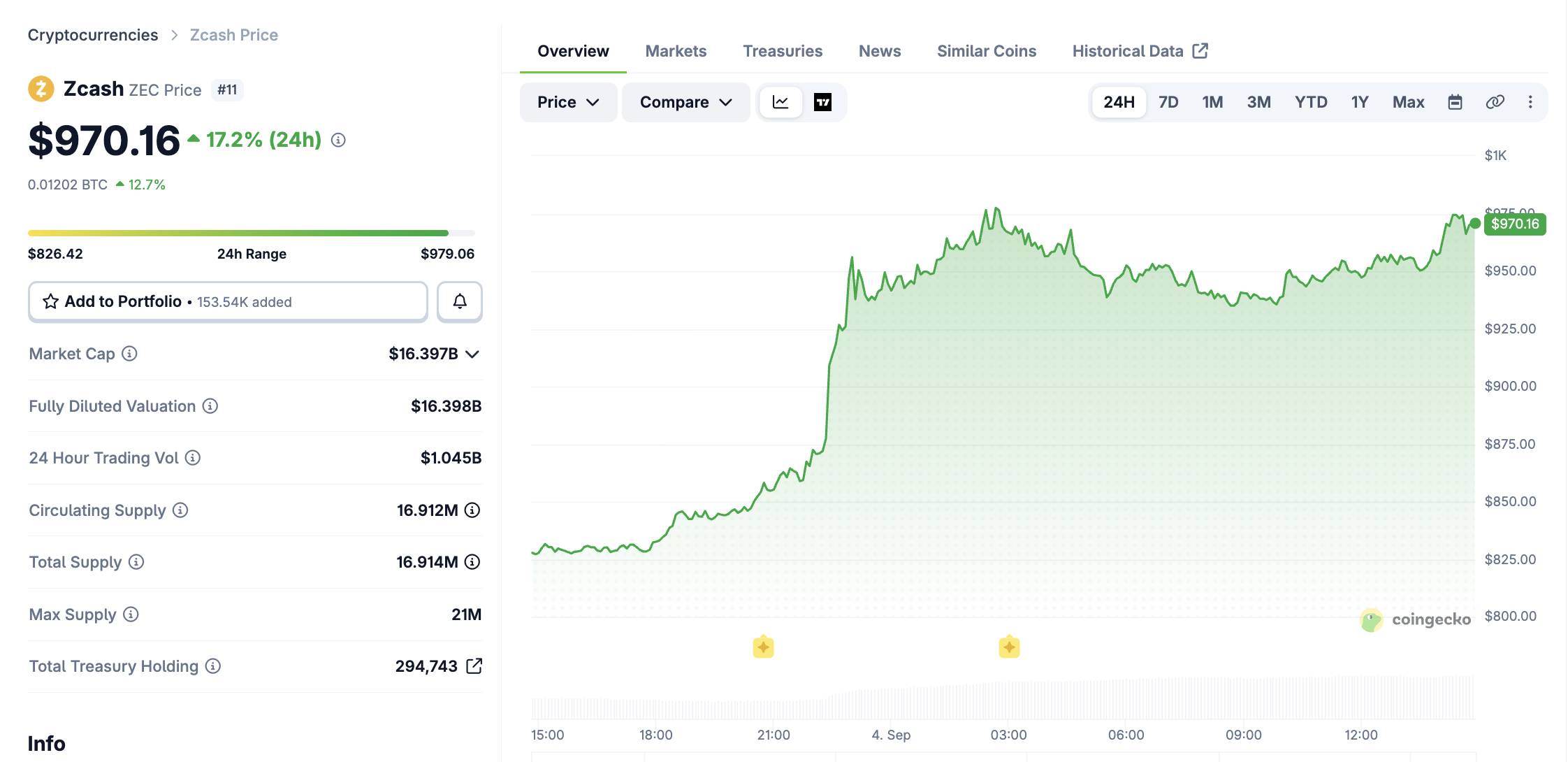
Market breadth improved alongside Bitcoin. Zcash led the larger altcoins with a gain of almost 17%, Cardano advanced about 13%, and Dogecoin and XRP each rose close to 10% during the session. The combined value of the crypto market approached $2.82 trillion, its highest level in more than seven months and a sharp recovery from the early-year decline toward $2.3 trillion.
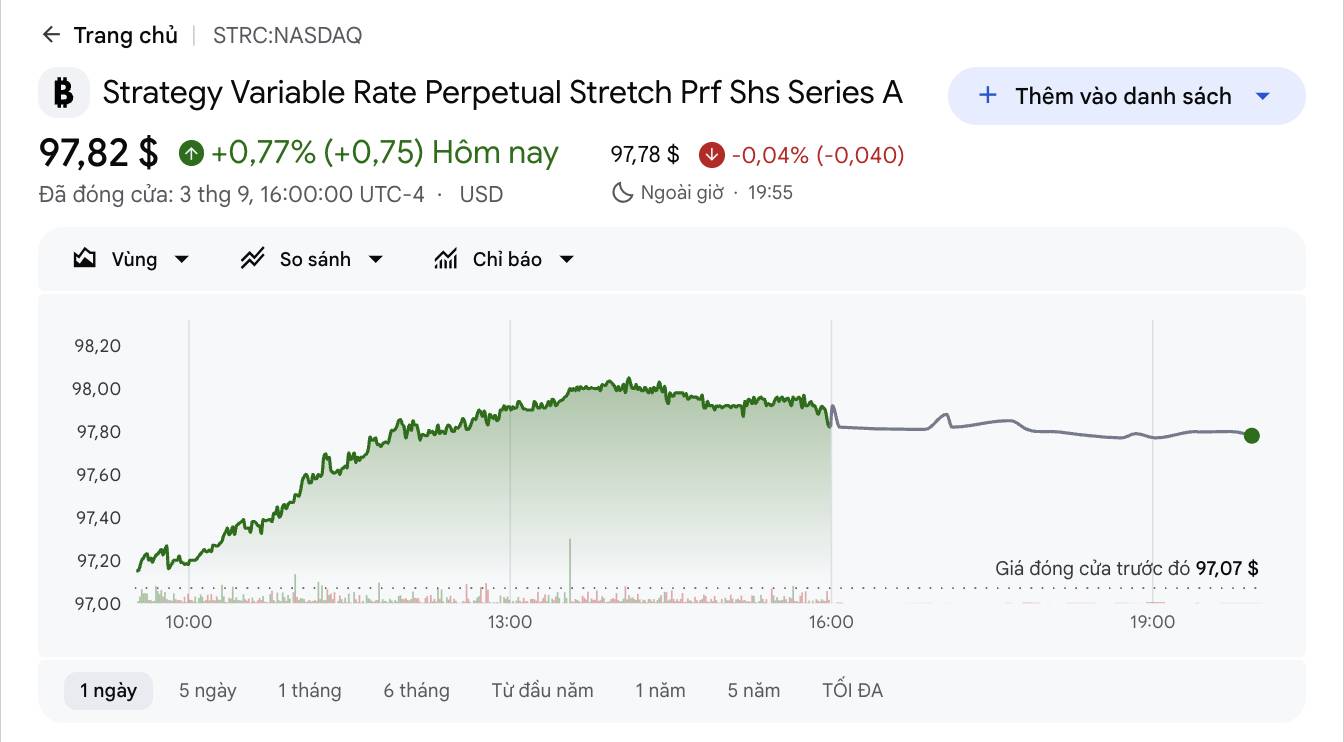
Crypto-linked equities participated as well. Strategy and Circle rose by roughly 15%, while Coinbase gained more than 10%. Derivatives amplified the movement: data reported during the session showed about $537 million in liquidations over 24 hours, with short positions accounting for roughly $456 million. That imbalance suggests forced buying helped accelerate the move once resistance levels began to break.
Zcash Pushes Beyond $1,000
ZEC became the clearest expression of the rally. After clearing $870 and then $968, the privacy coin crossed $1,000 and traded as high as roughly $1,043. That left it more than four times above its March low near $225 and at its strongest level in almost eight years, although it remained well below its historical peak above $3,000.
The scale of activity in derivatives showed how aggressively traders had positioned around the move. ZEC futures turnover was running at roughly nine times spot volume, a gap that points to substantial leverage and a meaningful short squeeze. It also raises the risk of abrupt reversals if momentum fades, because highly leveraged positions can unwind as quickly as they are built.
ETF Access and Privacy Demand Add Fuel
Zcash had catalysts of its own beyond the macro backdrop. On August 25, Grayscale began trading its Zcash ETF, ticker ZCSH, on NYSE Arca. The product offers regulated spot exposure to ZEC and gives investors who cannot or do not want to hold the token directly another route into the market.
The launch arrived as financial privacy was returning to the digital-asset debate. Improvements in artificial intelligence, blockchain analytics, digital identity systems and central bank digital currencies have made transaction surveillance a more immediate concern for some users. Zcash's shielded transfers give the project a distinct narrative when that concern moves to the foreground.
Technical progress has also helped rebuild confidence after a serious Orchard vulnerability shook the market earlier in the year. Developers patched the immediate flaw and introduced the Ironwood upgrade in July, creating a path to stronger supply verification while preserving shielded transactions. Faster private-transfer tooling has added to the sense that the network is moving past the incident rather than merely containing it.
ZEC's move above $1,000 therefore reflects several forces arriving at once: a temporary improvement in the rate outlook, broader crypto demand, regulated ETF access, renewed interest in privacy and a leveraged short squeeze. The combination can sustain attention, but the unusually heavy futures activity means price swings are likely to remain sharp as traders reassess the Fed outlook before mid-September.
