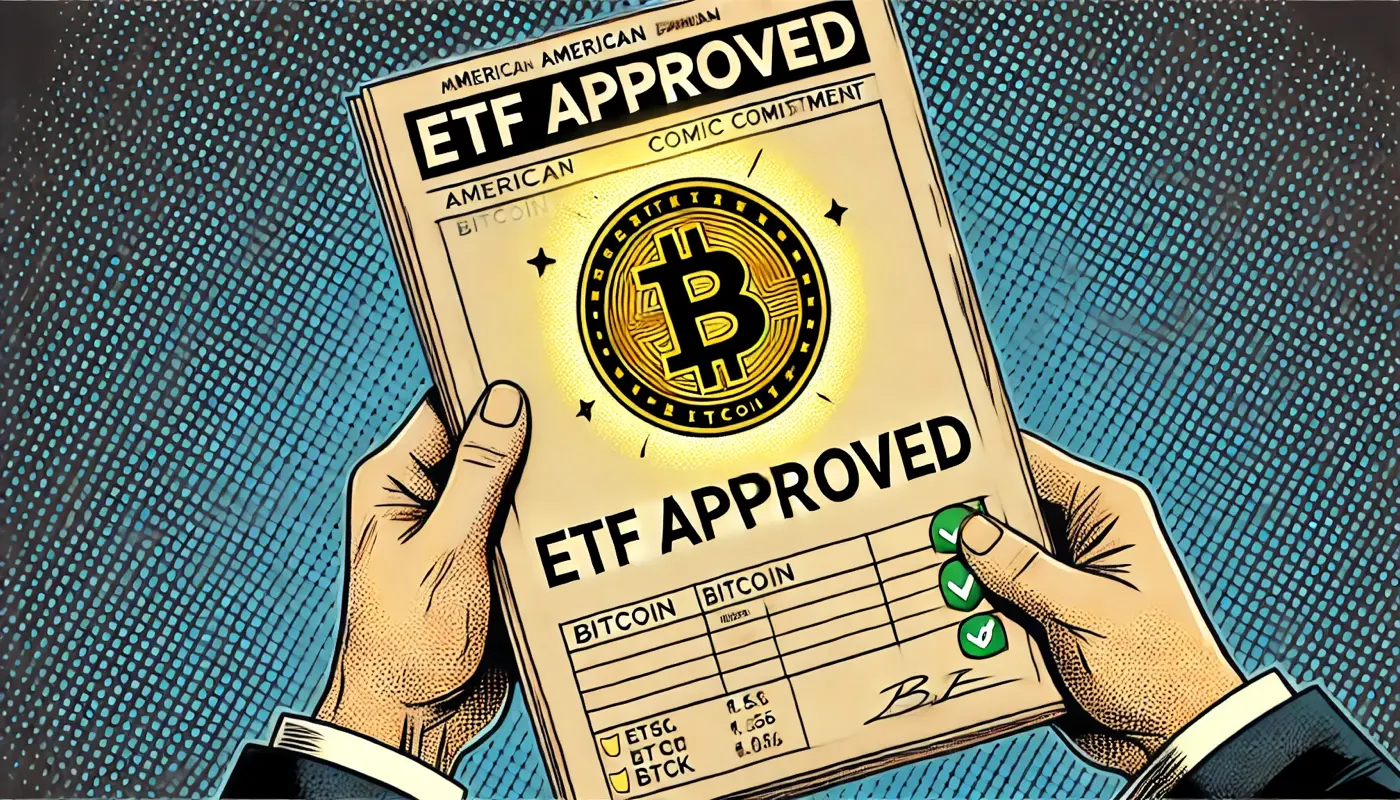
US Spot Bitcoin ETFs Pull in Nearly $1B for a Third Straight Week
US spot Bitcoin ETFs recorded nearly $1 billion in net inflows last week, extending their positive run to three consecutive weeks as institutional demand continued to recover.
US spot Bitcoin ETFs recorded nearly $1 billion in net inflows last week, extending their positive run to three consecutive weeks as institutional demand continued to recover.

 By John Isige
 A potential Iran deal is triggering noticeable moves across global markets. Bitcoin remains above the 70,000$ level, but uncertainty remains high. The key question now is whether the crypto market is approaching its next directional move.
 By John Isige
 Last week, the BTC/USD pair tested the 75000.00 mark (Murray [4/8] level), but then resumed its decline and returned to the 68500.00 area. This month, the price has already made several attempts to recover, but has so far failed to establish an upward trend, as geopolitical and monetary factors continue to pressure assets that compete with the US dollar.
 By John Isige
 Rising energy costs, geopolitical risks, and falling revenues are increasing pressure on Bitcoin miners. The first signs of stress are already starting to appear across the network.

 By Andrew Bennett
 Geopolitical tensions and renewed interest rate concerns are putting pressure on the crypto market. Bitcoin and other digital assets are declining at the start of the weekend.
By John Isige Higher profits and more predictable revenue are pushing more and more crypto miners to scale back their core business in favor of artificial intelligence. That, in turn, is already raising a key question: how much could this shift affect Bitcoin’s security?
 By Sagar Dua
 Bitcoin has found support from macroeconomic factors and renewed capital inflows into ETFs. The key question now is how sustainable the current rally will be ahead of the Federal Reserve’s next interest rate decision.
By John Isige Last week, the BTC/USD pair broke out of the medium-term sideways range of 70000.00–62500.00, moving above its upper boundary, and today reached two-month highs near 74370.00.
 By Andrew Bennett
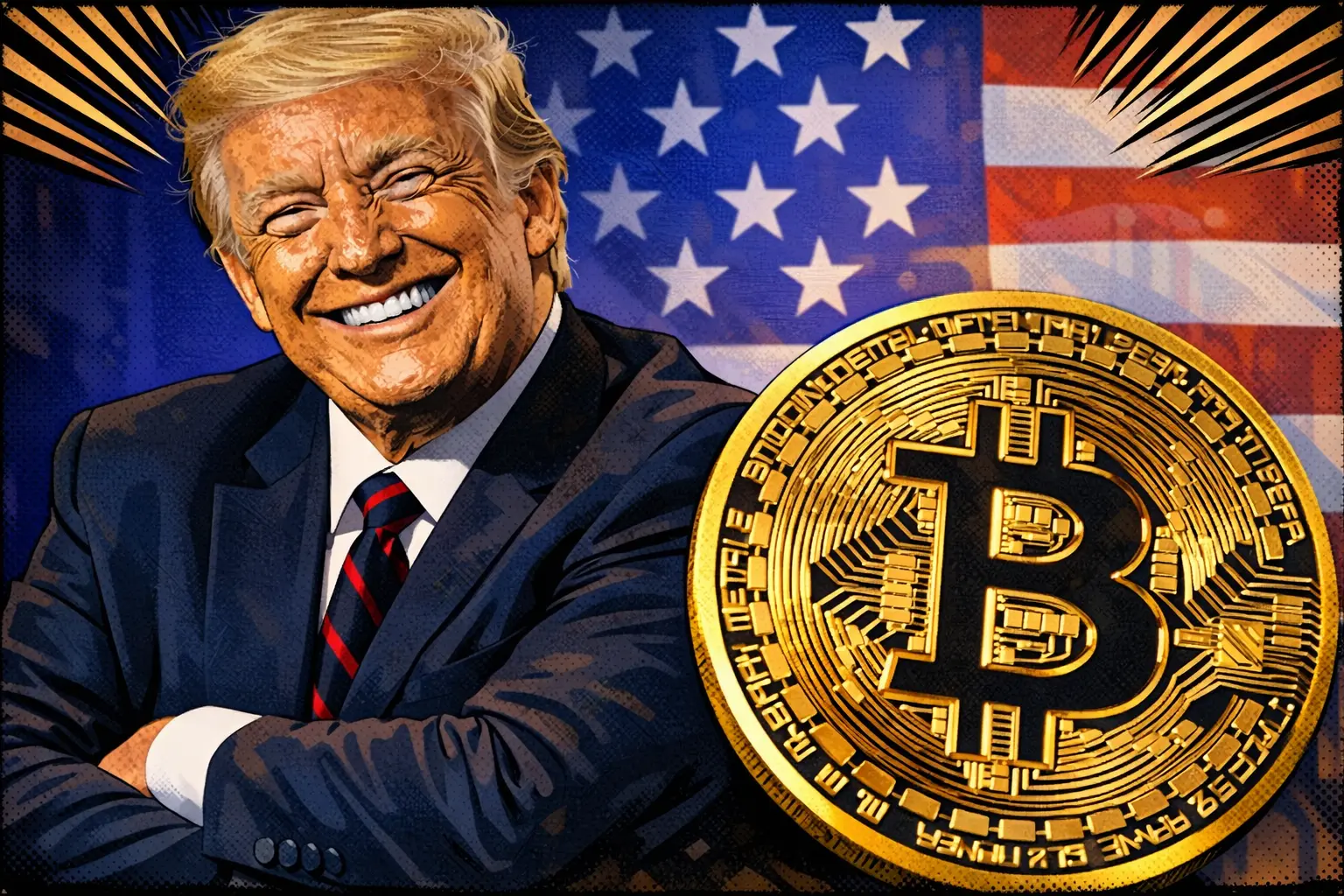
 Donald Trump, once celebrated by many as the “crypto president,” has disappointed part of the Bitcoin community with his strategic reserve initiative. Despite bold promises that the United States would become a “Bitcoin superpower” and the “crypto capital of the world,” the White House has still not started buying BTC one year after signing the executive order that created the Strategic Bitcoin Reserve.
 By John Isige
 Since the start of the Iran war, financial markets have been showing an unusual pattern: Bitcoin has been outperforming both stocks and gold. While there is still no clear winner in the geopolitical conflict, markets have already found a standout leader among major assets.
 By John Isige
 Bitcoin fell sharply after a U.S. strike on an Iranian oil island. At the same time, the Iranian regime outlined its first conditions for a possible reopening of the Strait of Hormuz.
 By John Isige
 Bitcoin continues to surprise investors with its resilience amid the war with Iran, giving crypto market participants reasons for cautious optimism. However, investment strategist Luke Gromen is urging against rushing into new BTC purchases, arguing that the current situation remains highly ambiguous.
 By John Isige
 A new report examines the potential threat quantum computers could pose to Bitcoin. According to the analysis, roughly one-third of the total BTC supply could theoretically become vulnerable.