
Top Pick

- Fully licensed and regulated US exchange
- Strong focus on security and compliance
- User-friendly interface for beginners

The cryptocurrency market strengthened earlier this week but came under sharp selling pressure on Thursday, erasing much of its previous gains. In the latest market snapshot, Bitcoin (BTC) is trading near 81600.00 (+0.9%), Ethereum (ETH) at 2400.00 (+2.1%), Tether (USDT) at 0.9991 (–0.01%), BNB at 744.00 (+5.1%) and XRP at 1.3250 (+4.8%). Total cryptocurrency market capitalization has declined to approximately $2.73 trillion, while Bitcoin dominance has increased to 60.0%. From October 19 to 22, US spot Bitcoin ETFs recorded net inflows of $439.1 million, while Ethereum ETFs saw outflows of $225.1 million. The market remains volatile despite the recovery attempt discussed in our previous crypto weekly review.

 By Andrew Bennett
  By Andrew Bennett
 Cardano and Bitcoin are moving closer from a technical perspective. The first Atomic Swap on the mainnet demonstrates how native assets can move between the two blockchains without wrapped tokens or traditional bridges. For Cardano, this could become a new source of Bitcoin liquidity in the long term.
 By John Isige
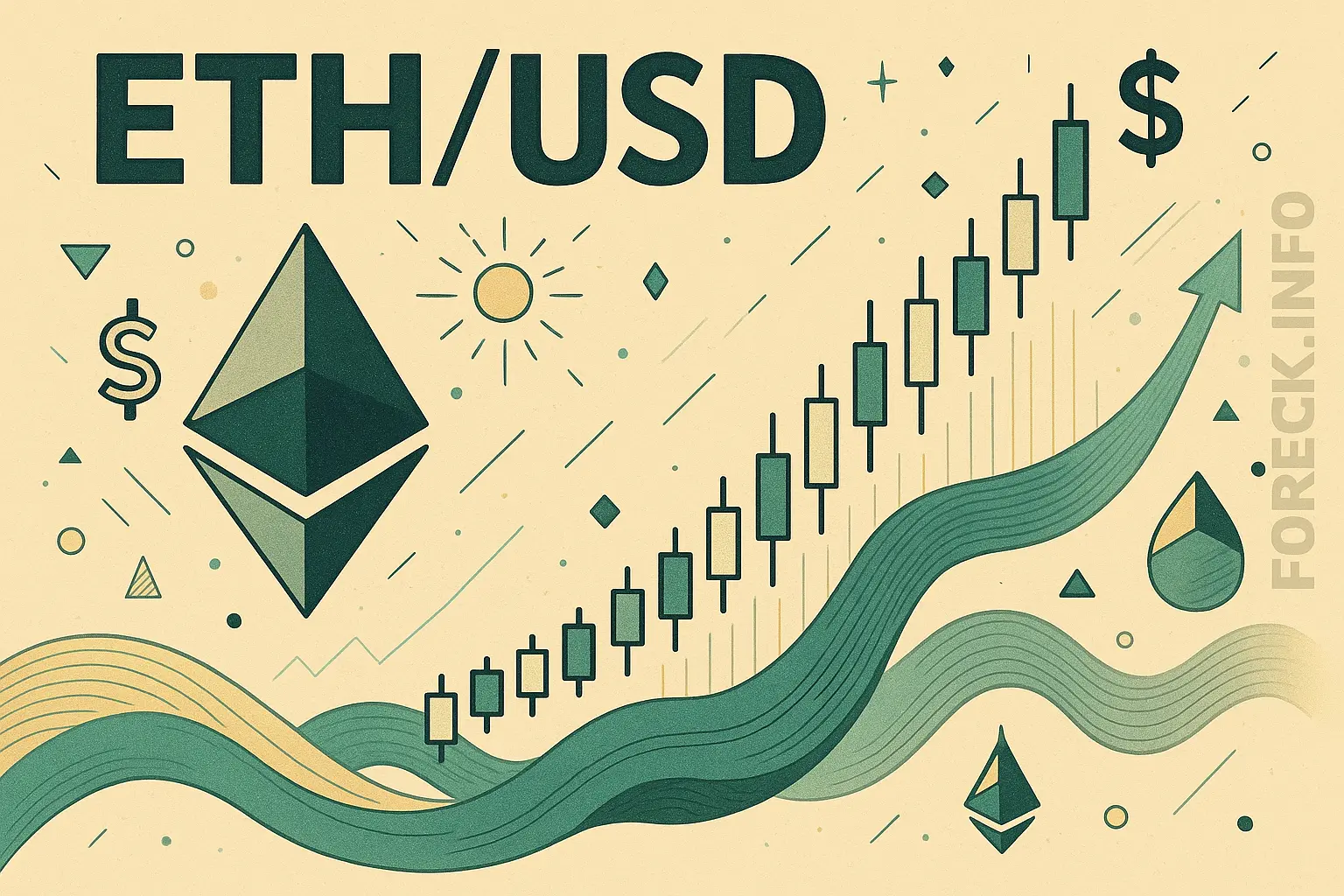
 The ETH/USD pair remains within the primary sideways range of 2187.50–1875.00 (Murrey [7/8]–[6/8]), which it briefly left in the middle of the current month. The market still lacks strong drivers for a decisive directional move. A breakdown below 1875.00 (Murrey [6/8]) would allow sellers to target 1481.60 (Fibonacci 100.0%), 1250.00 (Murrey [4/8]), and 937.50 (Murrey [3/8]). Meanwhile, the key level for bulls remains 2500.00 (Murrey [8/8], Bollinger Bands midline, W1). A breakout above this level would push prices above the long-term descending channel and support further growth, with the potential for a long-term trend reversal toward 2812.50 (Murrey [+1/8], Fibonacci 61.8%), 3125.00 (Murrey [+2/8], Fibonacci 50.0%), and 3560.00 (Fibonacci 38.2%).
 By Andrew Bennett
 A new Google study brings the quantum threat to Bitcoin and Ethereum closer to reality. The published paper explains why the crypto industry may have less time than previously expected to transition to quantum-resistant algorithms.
 By John Isige
 Last week, the BTC/USD pair resumed its decline and tested the 65,625.00 level (Murray [1/8]), where it continues to hold. The escalation of the Middle East conflict is contributing to the strengthening bearish momentum. Investors remain disappointed as U.S. President Donald Trump continues to signal progress in peace negotiations with Iran, while in reality the conflict zone is expanding, involving new participants and worsening global economic prospects.
 By John Isige
 Ripple is planning to apply for a VASP license with Brazil’s central bank and is combining payments, custody, and brokerage services for institutional clients in Latin America.
 By John Isige
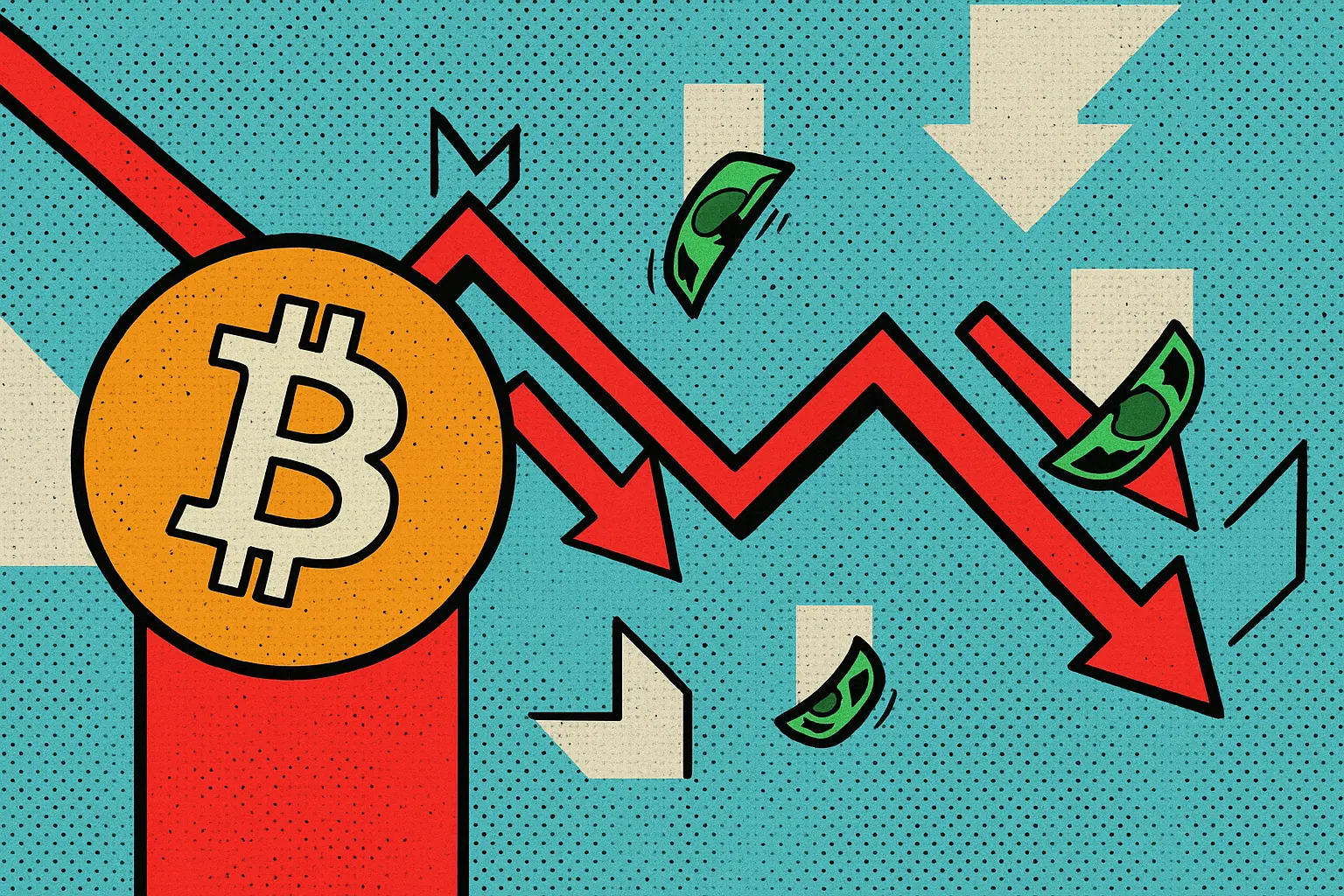
 The cryptocurrency market has yet to show signs of stabilization. Despite attempts at recovery, investor sentiment remains tense. Bitcoin is trading around $67,400, staying well below the psychologically important $70,000 level and posting only about a 1% gain over the past 24 hours.
 By Andrew Bennett
 Selling pressure in the cryptocurrency market has intensified again over the past 24 hours. Bitcoin temporarily dropped below the $68,000 mark, losing around 3% on the day.
 By John Isige
 The financial world is watching Mike McGlone’s latest forecasts with a mix of skepticism and concern. The Bloomberg Intelligence senior strategist reinforced his bearish outlook on the crypto market during a detailed conversation with crypto expert EllioTrades, suggesting that the entire crypto asset class may face a fundamental reassessment.
 By John Isige
 This week, leading crypto assets attempted to move higher, but have now surrendered most of those gains. BTC is trading near 68,600.00 (+1.0%), ETH is holding around 2,070.00 (+1.2%), USDT is near 0.9995 (–0.05%), BNB — which has returned to fourth place by market capitalization — is hovering around 630.00 (+0.8%), while XRP is trading at 1.3570 (–1.6%). Total market capitalization has declined to $2.35 trillion, while Bitcoin’s market share has slipped to 58.2%. Over the last four sessions, Bitcoin ETF balances have decreased by $77.8 million, while Ethereum ETF balances have fallen by $157.9 million.
 By John Isige
 XRP price action currently shows a fairly clear pattern. Attempts to move higher are quickly met with selling, while a sustained bullish impulse fails to take shape. As a result, the situation remains tense and largely dependent on external factors. XRP is still struggling to establish itself firmly above the $1.50 level. Short-term upward moves appear regularly, but they fade quickly due to weak demand. As a result, XRP remains stuck in a sideways range without a clear direction.
 By John Isige
 SOL/USD has returned to the main sideways channel of 91.00–75.00, which it briefly left last week, and stabilized near its upper boundary. The market still lacks strong drivers capable of setting a clear direction. The key level for bulls remains 100.00 (Murray [4/8]). A breakout above this level could reverse the long-term downtrend and open the way toward 125.00 (Murray [6/8]) and 137.50 (Murray [7/8], 50.0% Fibonacci retracement). If the price breaks below the lower boundary of 75.00 (Murray [2/8]), bears may regain control with potential targets at 62.50 (Murray [1/8]) and 50.00 (Murray [0/8]).


For crypto, the framework is similar to traditional financial markets but comes with its own twist. Here, price action turns on liquidity, adoption, regulation, and flows from institutions alongside retail sentiment. Network health—hash rate, staking, active wallets—adds another layer. Macro still matters too: rates, dollar strength, and risk appetite shape inflows and outflows. Then, as with any market, you use the chart—trend, support and resistance, momentum, and volume—to spot setups and manage risk.