
Top Pick
- Fully licensed and regulated US exchange
- Strong focus on security and compliance
- User-friendly interface for beginners

The cryptocurrency market strengthened earlier this week but came under sharp selling pressure on Thursday, erasing much of its previous gains. In the latest market snapshot, Bitcoin (BTC) is trading near 81600.00 (+0.9%), Ethereum (ETH) at 2400.00 (+2.1%), Tether (USDT) at 0.9991 (–0.01%), BNB at 744.00 (+5.1%) and XRP at 1.3250 (+4.8%). Total cryptocurrency market capitalization has declined to approximately $2.73 trillion, while Bitcoin dominance has increased to 60.0%. From October 19 to 22, US spot Bitcoin ETFs recorded net inflows of $439.1 million, while Ethereum ETFs saw outflows of $225.1 million. The market remains volatile despite the recovery attempt discussed in our previous crypto weekly review.
 By Sagar Dua
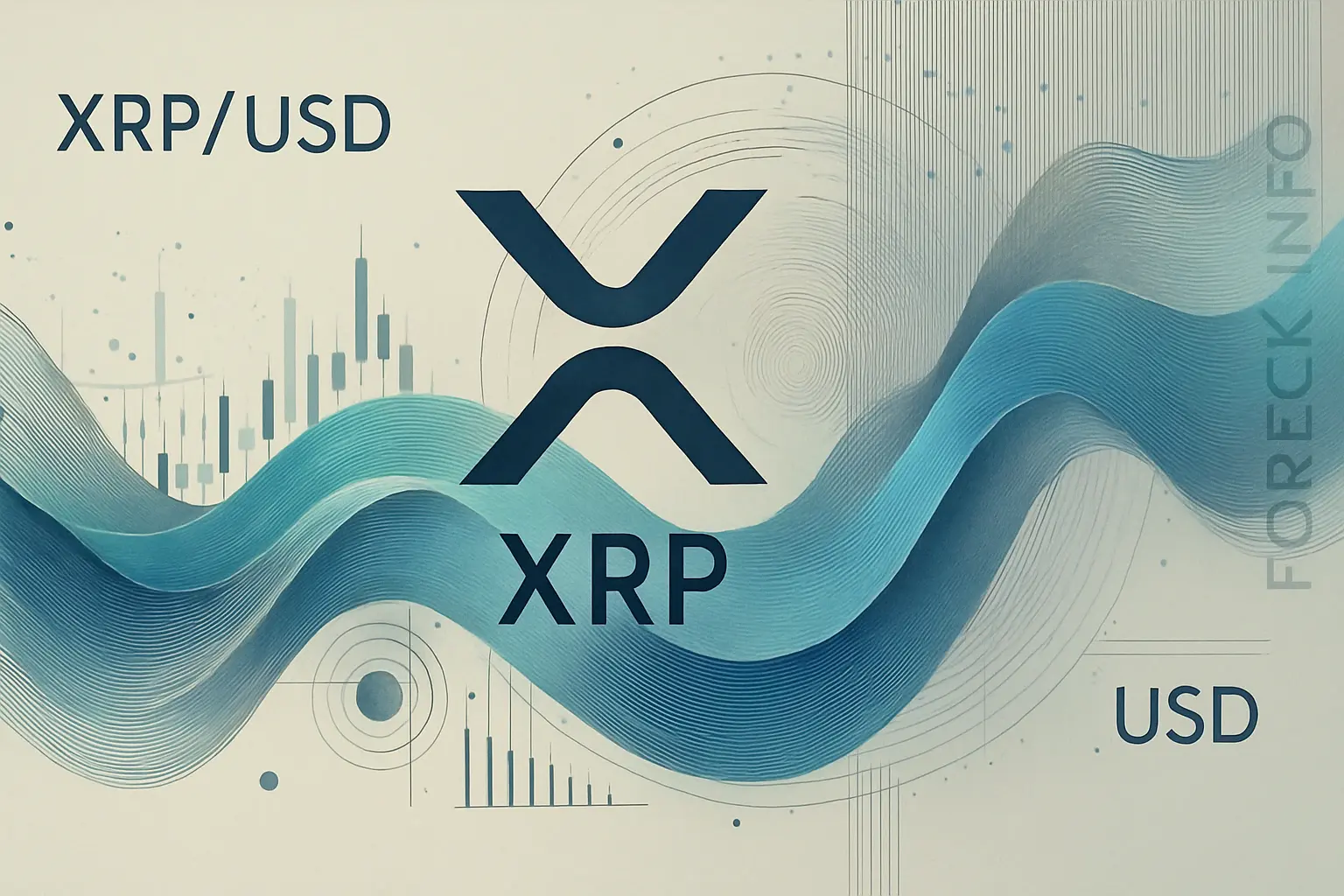
 This week, the XRP/USD pair corrected downward and is now trading within the medium-term sideways range of 1.5625–1.2695 (Murray level [8/8]–[2/8]) near 1.3900.

 By John Isige
 Shiba Inu has lost a significant share of its value since reaching its all-time high and is currently struggling with market uncertainty. The question now is whether a new move is on the horizon or whether another decline lies ahead.
 By John Isige
 The ADA forecast highlights key support and resistance levels as well as possible price targets.
 By John Isige
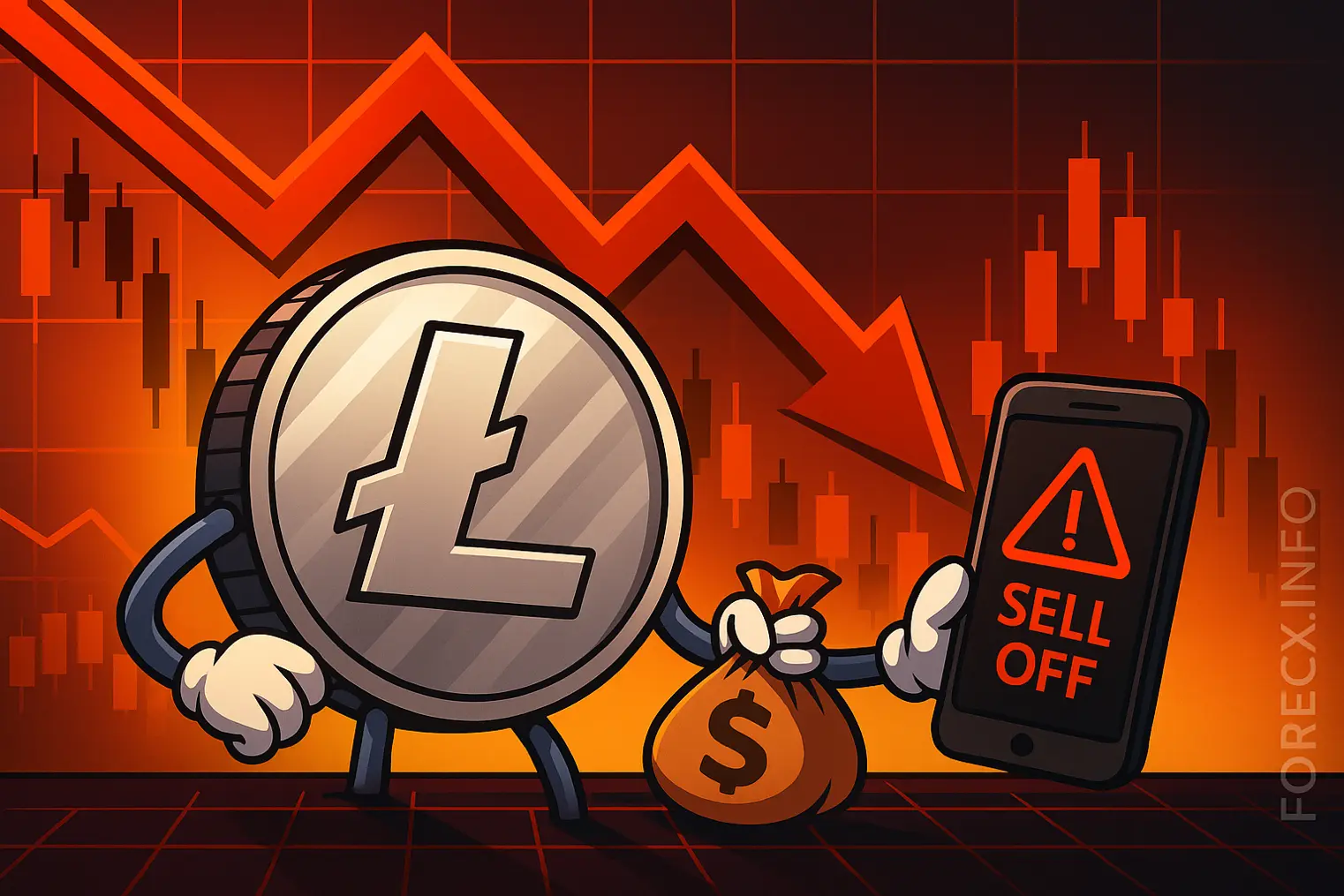
 After attackers exploited a vulnerability in Litecoin’s MWEB extension, the network experienced a chain reorganization. Several crypto protocols have already reported financial losses.
 By John Isige
 The Robinhood listing has made Zcash more accessible to a mass audience, and the market reacted immediately with stronger interest. One of the world’s best-known retail brokerage platforms has opened access to the coin for millions of private investors, significantly expanding Zcash’s potential user base.
 By John Isige
 This week, the cryptocurrency market showed positive momentum, but assets may now return to a corrective phase: BTC is trading near 77,700.00 (+4.3%), ETH is around 2,300.00 (+1.0%), USDT is near 1.0005 (+0.03%), XRP is trading around 1.4300 (+1.4%), and BNB is at 635.00 (+2.4%). Total market capitalization stands at $2.59 trillion, while Bitcoin’s market share has risen to 60.0%. At the same time, Bitcoin ETF balances increased by $809.3 million, while Ethereum ETF balances grew by $131.7 million.
 By John Isige
 This week, the SOL/USD pair is posting modest gains within the broader market trend and is trading near 86.05, up 1.5% over the last four sessions, as investors remain cautious due to geopolitical uncertainty in the Middle East.
 By Andrew Bennett
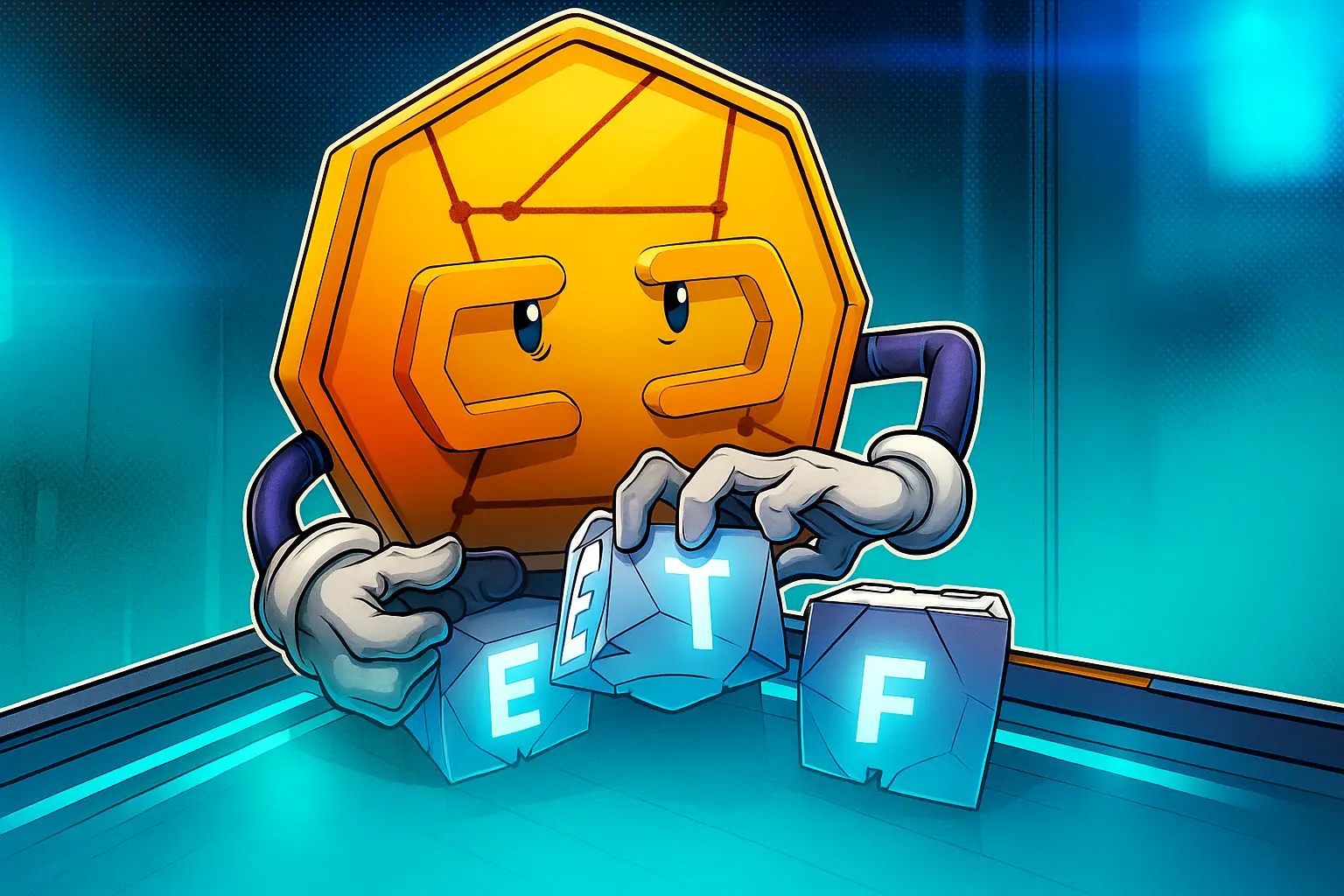
 Financial firm GSR has launched its first crypto ETF — the GSR Crypto Core3 ETF (ticker: BESO). The fund is focused on Bitcoin, Ethereum, and Solana, tracks their spot prices, and, according to the company, also incorporates staking yield. GSR says the ETF uses a dynamic allocation strategy designed to improve overall returns, while the management fee is set at 1%.
 By John Isige
 Bitcoin failed to hold above the $80,000 level and was trading well below it by Thursday, while major altcoins continued to show weakness. Against that backdrop, the market remains narrow, with capital still concentrated mainly in BTC rather than spreading across the broader altcoin sector. At the same time, Aave is still trying to find a way out of the crisis triggered by the Kelp DAO-related exploit, which caused a large-scale liquidity outflow from DeFi.
By John Isige The XRP/USD pair remains within a long-term downtrend, but the decline has slowed for now as the price has entered the primary sideways channel of 1.5625–1.2695 (Murray level [8/8]–[2/8]).
 By John Isige
 The debate over stablecoins and their impact on the banking system is entering a new phase. Until recently, many critics argued that the growth of the stablecoin market could weaken banks, reduce deposit bases, and limit lending. However, a new US analysis paints a much calmer picture.
 By John Isige
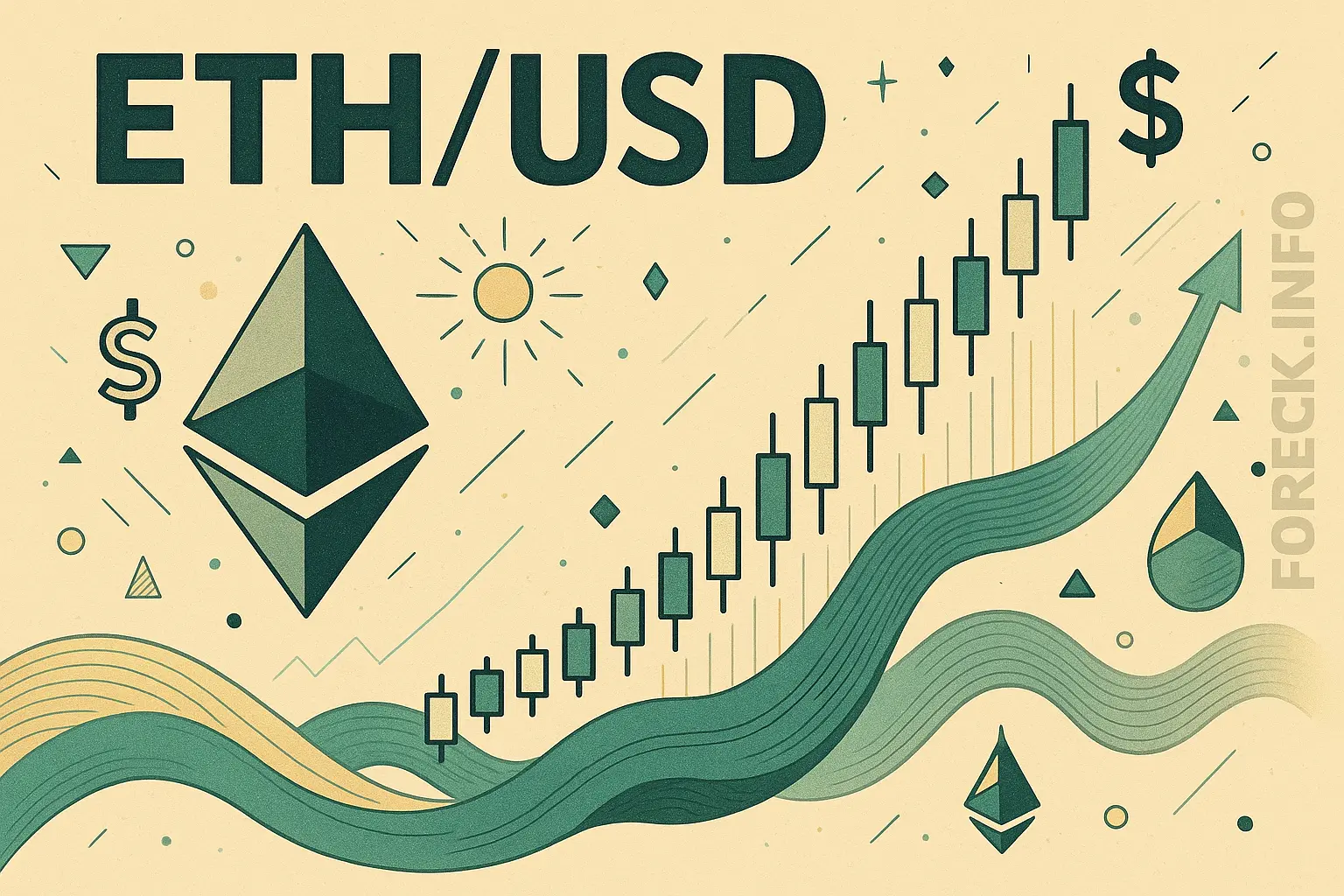
 Last week, the ETH/USD pair attempted to move higher, trying to begin the formation of a new upward trend, and on Friday reached three-month highs around 2462.00. It then corrected toward the middle Bollinger Band amid ongoing uncertainty surrounding the second round of negotiations between the United States and Iran, which, according to CNN, is set to take place in Pakistan as early as tomorrow. Reports suggest that the US delegation will be led by Vice President J.D. Vance, while the Iranian side will be headed by Parliament Speaker Mohammad Bagher Ghalibaf. Meanwhile, if the price breaks below 2250.00 (Murray [6/8], middle Bollinger Band), the decline could resume toward 2000.00 (Murray [0/8], lower Bollinger Band) and 1750.00 (Murray [–2/8]). At the same time, the 2500.00 level (Murray [4/8], middle Bollinger Band, W1) remains the key threshold for bulls: a breakout above it could reverse the long-term downtrend and open the way toward 2812.50 (Murray [6/8], 61.8% Fibonacci retracement), 3125.00 (Murray [+1/8], 50.0% Fibonacci retracement), and 3400.00 (the area of the January highs).


For crypto, the framework is similar to traditional financial markets but comes with its own twist. Here, price action turns on liquidity, adoption, regulation, and flows from institutions alongside retail sentiment. Network health—hash rate, staking, active wallets—adds another layer. Macro still matters too: rates, dollar strength, and risk appetite shape inflows and outflows. Then, as with any market, you use the chart—trend, support and resistance, momentum, and volume—to spot setups and manage risk.