
Top Pick
- Fully licensed and regulated US exchange
- Strong focus on security and compliance
- User-friendly interface for beginners

The cryptocurrency market strengthened earlier this week but came under sharp selling pressure on Thursday, erasing much of its previous gains. In the latest market snapshot, Bitcoin (BTC) is trading near 81600.00 (+0.9%), Ethereum (ETH) at 2400.00 (+2.1%), Tether (USDT) at 0.9991 (–0.01%), BNB at 744.00 (+5.1%) and XRP at 1.3250 (+4.8%). Total cryptocurrency market capitalization has declined to approximately $2.73 trillion, while Bitcoin dominance has increased to 60.0%. From October 19 to 22, US spot Bitcoin ETFs recorded net inflows of $439.1 million, while Ethereum ETFs saw outflows of $225.1 million. The market remains volatile despite the recovery attempt discussed in our previous crypto weekly review.
 By John Isige
 Easing tensions between the United States and Iran has led to a noticeable recovery in the cryptocurrency market. One of the main beneficiaries has been Zcash, which has outperformed the broader market amid improving investor sentiment.
 By John Isige
 This week, the ETH/USD pair is rising in line with the broader market trend amid positive geopolitical signals that have increased investor interest in risk assets and allowed the quotes to renew a four-week high at 2270.00.
 By John Isige
 Morgan Stanley is launching its own Bitcoin ETF on April 8 - the fund will begin trading under the ticker MSBT. The new product’s fee is noticeably lower than that of most competitors. According to Bloomberg ETF analyst Eric Balchunas, the Morgan Stanley Bitcoin Trust (MSBT) will start trading on NYSE Arca on April 8. This makes Morgan Stanley the first major US bank to issue its own spot Bitcoin product instead of simply offering clients third-party solutions.
 By John Isige
 The SOL/USD pair has remained within a sideways range of 91.00-75.00 for the third month in a row: amid geopolitical and monetary uncertainty, quotations still lack sufficient drivers to determine the direction of further movement.
 By John Isige
 Regulation of the crypto market in the United States is gaining momentum. The next important step could soon be taken in the Senate.

 By Andrew Bennett
 Algorand is currently among the biggest gainers in the cryptocurrency market. Google Quantum AI’s analysis has played an important role in the current momentum, having already sparked strong reactions around Bitcoin earlier. However, the key question now is how sustainable this rally will be.
 By John Isige
 During the current week, leading digital assets attempted to move higher but have now surrendered part of their gains: BTC is trading near 67000.00 (+0.6%), ETH around 2070.00 (+3.4%), USDT near 0.9998 (+0.04%), XRP — which returned to fourth place by market capitalization this week — around 1.3200 (–1.5%), and BNB at 587.00 (–4.4%). Total market capitalization declined to 2.31 trillion dollars, while Bitcoin dominance fell to 58.1%. At the same time, Bitcoin ETF balances increased by 22.2 million dollars, while Ethereum ETF balances decreased by 42.1 million dollars.
 By John Isige
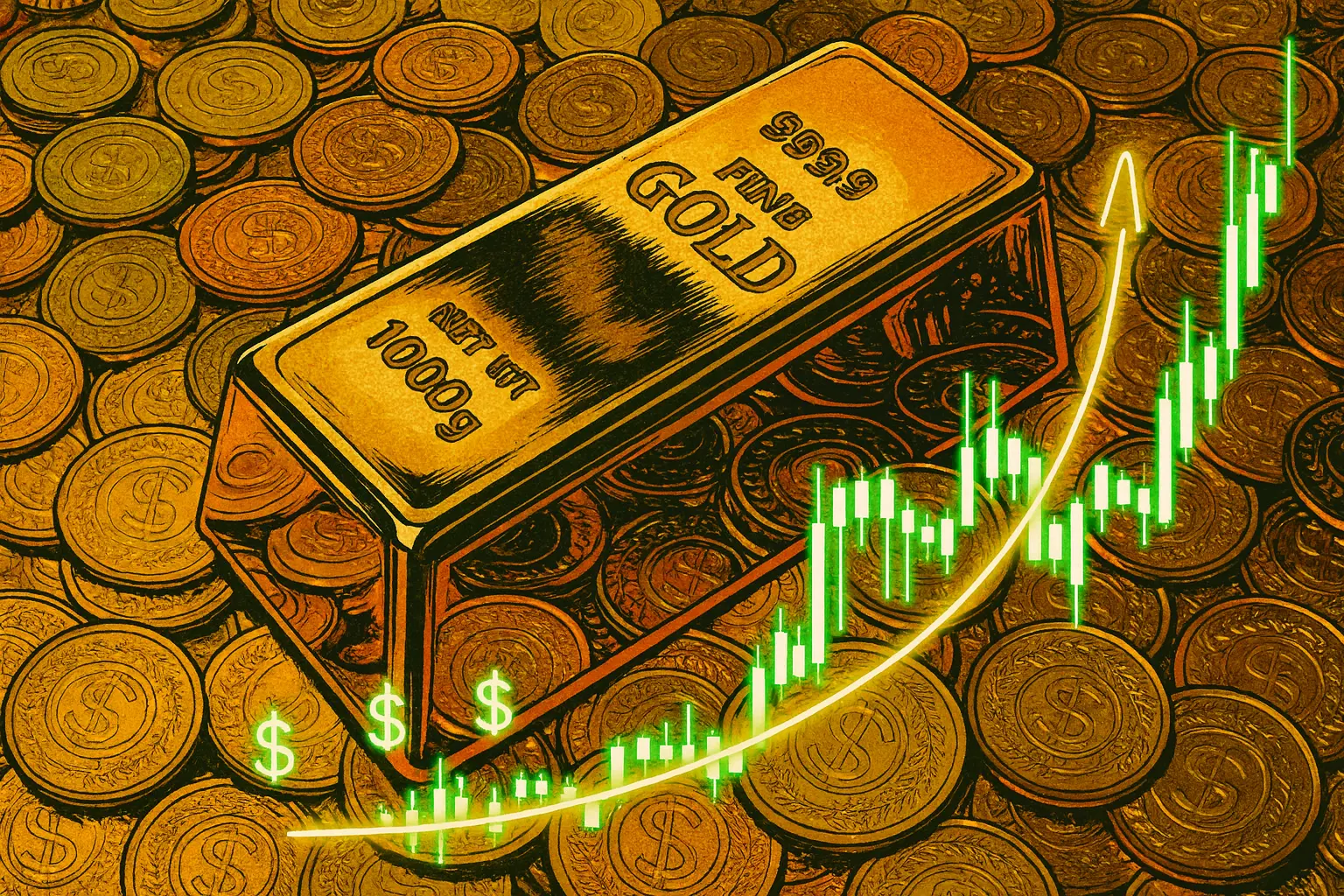
 Last year, gold clearly outperformed Bitcoin. Against the backdrop of geopolitical tensions — especially surrounding the conflict with Iran — investors increasingly moved into traditional safe-haven assets, while Bitcoin remained below expectations for some time. Capital largely flowed into gold, which benefited from its role as a proven store of value.
 By John Isige
 Solana (SOL) is once again coming under increasing pressure, with new yearly lows no longer ruled out. This price analysis outlines all key chart levels.
 By John Isige
 This week, XRP/USD quotes fell below the sideways range of 1.5625–1.3671 (Murray levels [8/8]–[7/8]), where the pair had remained for more than two months. A break below 1.3000 (the area of March lows) may act as a catalyst for further bearish momentum toward targets at 0.9765 (Murray level [5/8]) and 0.7812 (Murray level [4/8]). The resistance zone at 1.5625–1.6420 (Murray level [8/8], Fibonacci retracement 61.8%) remains key for buyers: consolidation above this range may lead to a breakout from the descending channel through its upper boundary and further growth toward 1.9531 (Murray level [+2/8]) and 2.3519 (Fibonacci retracement 38.2%).
 By John Isige
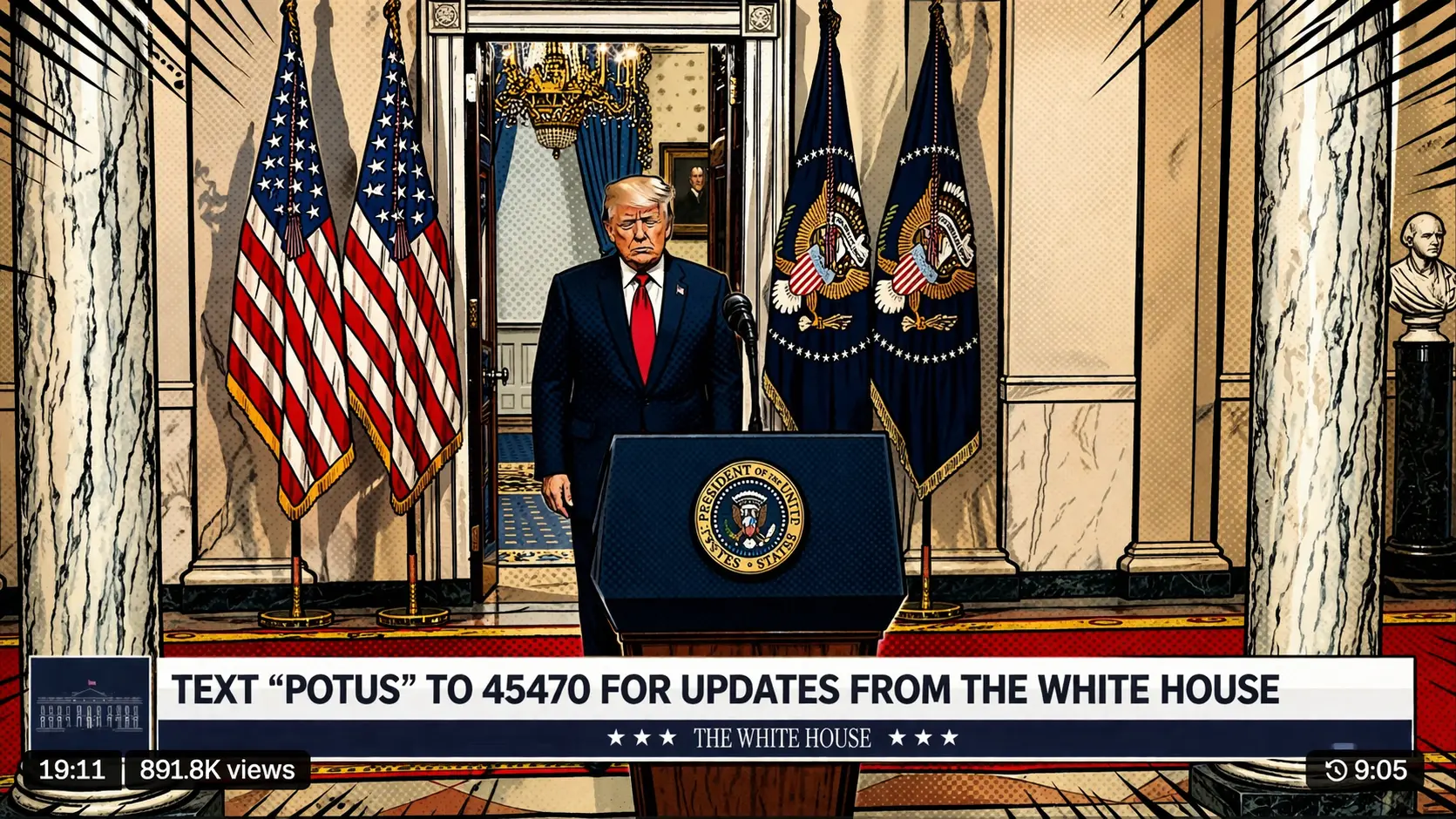
 New statements from Donald Trump triggered volatility across financial markets. The cryptocurrency market reacted particularly sharply, posting notable losses after Trump signaled a possible military escalation.
By John Isige The SOL/USD pair remains stable, trading within the primary sideways range of 91.00–75.00. This week, prices are making moderate attempts to rise in line with the broader market trend, supported by US President Donald Trump’s statement that the operation in the Persian Gulf region could conclude within two to three weeks.


For crypto, the framework is similar to traditional financial markets but comes with its own twist. Here, price action turns on liquidity, adoption, regulation, and flows from institutions alongside retail sentiment. Network health—hash rate, staking, active wallets—adds another layer. Macro still matters too: rates, dollar strength, and risk appetite shape inflows and outflows. Then, as with any market, you use the chart—trend, support and resistance, momentum, and volume—to spot setups and manage risk.