

Top Pick

- Fully licensed and regulated US exchange
- Strong focus on security and compliance
- User-friendly interface for beginners

The cryptocurrency market strengthened earlier this week but came under sharp selling pressure on Thursday, erasing much of its previous gains. In the latest market snapshot, Bitcoin (BTC) is trading near 81600.00 (+0.9%), Ethereum (ETH) at 2400.00 (+2.1%), Tether (USDT) at 0.9991 (–0.01%), BNB at 744.00 (+5.1%) and XRP at 1.3250 (+4.8%). Total cryptocurrency market capitalization has declined to approximately $2.73 trillion, while Bitcoin dominance has increased to 60.0%. From October 19 to 22, US spot Bitcoin ETFs recorded net inflows of $439.1 million, while Ethereum ETFs saw outflows of $225.1 million. The market remains volatile despite the recovery attempt discussed in our previous crypto weekly review.

 By John Isige
 Since the end of last month, the ETH/USD pair has been attempting to enter a correction against the long-term downward trend. On Monday, the price reached a two-week high of 1,978.60 but subsequently gave up part of those gains.
 By John Isige
 Lido has launched one of the largest infrastructure upgrades in Ethereum staking and is preparing to migrate more than 8 million ETH to Curated Module v2. The transition is designed to improve staking efficiency, strengthen operator accountability and reduce pressure on Ethereum’s consensus layer.
 By John Isige
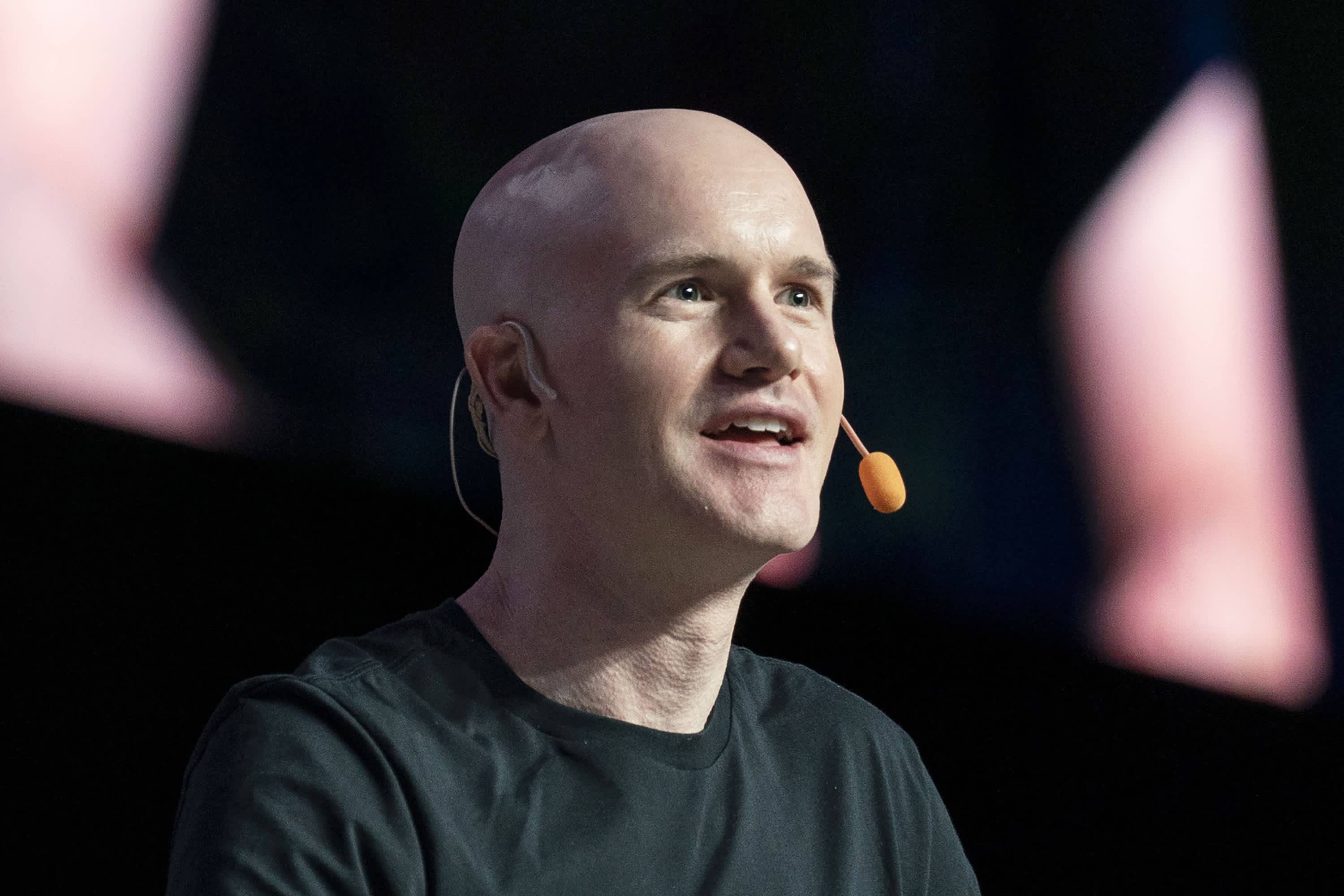
 Crypto exchanges Coinbase CEO Brian Armstrong has pushed back against the growing tendency of cryptocurrency companies to abandon their blockchain positioning and rebrand themselves around artificial intelligence.
 By John Isige
 Since the beginning of the month, the XRP/USD pair has been attempting to recover its previous losses, correcting against the long-term downward trend. The price has approached 1.1718 (Murrey level [4/8]) several times but has failed to break above it. The decline has now resumed, and a breakdown below 1.0253 (Murrey level [1/8]) may accelerate the move toward 0.9277 (Murrey level [–1/8]) and 0.8789 (Murrey level [–2/8]). Meanwhile, 1.1718 remains the key level for buyers: consolidation above it would reverse the current trend and create momentum for a test of 1.2695 (Murrey level [6/8]), 1.3671 (Murrey level [8/8]) and 1.4648 (Murrey level [+2/8]).

 By Andrew Bennett
 Circle, the company behind the USDC stablecoin, has acquired a major portion of IBM’s blockchain patent portfolio, significantly expanding its intellectual-property position in onchain finance.
 By John Isige
 The European Union has added cryptocurrency exchange HTX, formerly known as Huobi, to a group of non-European financial institutions and crypto service providers subject to transaction restrictions over alleged assistance to Russia in circumventing Western sanctions.
 By John Isige
 BitMart users are reporting difficulties withdrawing assets from the exchange just one day after the platform announced plans to wind down its operations.
 By John Isige
 Since the beginning of the month, the BTC/USD pair has been attempting to stage a correction against the long-term downward trend. However, price action was mixed last week as investors remained cautious ahead of the US Federal Reserve meeting and earnings reports from major US technology companies. Today, the pair rose toward 65,625.00 (Murrey level [5/8]) amid signs of easing tensions in the Middle East and renewed demand for risk assets.
 By John Isige
 Uniswap has introduced Permissioned Pools on v4, allowing issuers of tokenized funds, securities and equities to restrict trading and liquidity provision to approved wallets while using an automated market maker.
 By Andrew Bennett
 Crypto Exchanges BitMart has begun an orderly wind-down of its cryptocurrency exchange and will discontinue all trading services on August 26, 2026, before formally ending platform operations in January 2027.
 By Andrew Bennett
 World Foundation has raised an initial $52.5 million through a strategic sale of WLD tokens, with all tokens sold in the transaction subject to a 12-month lockup.
 By John Isige
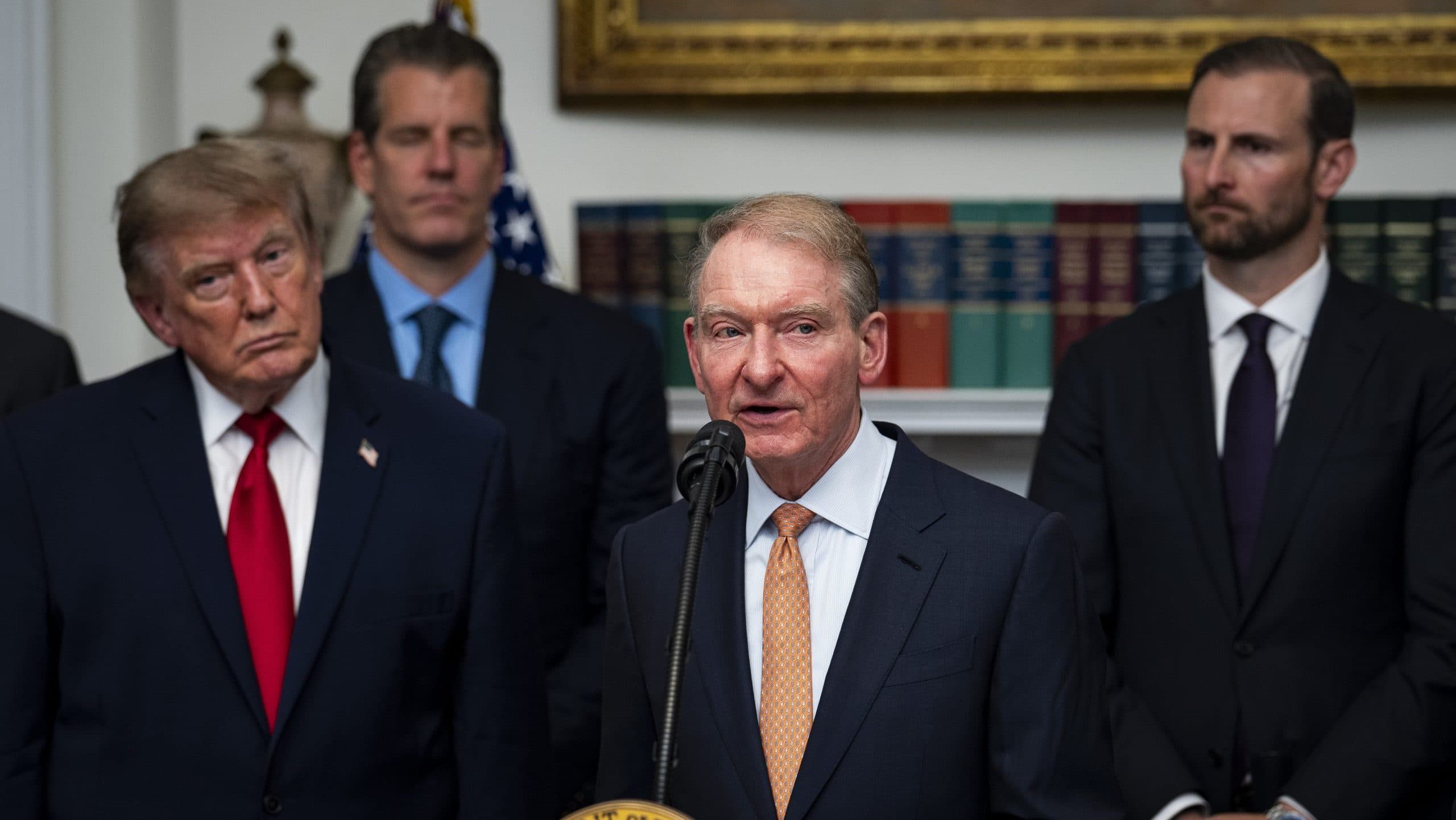
 BlackRock, Coinbase, Strategy and other leading financial institutions and Bitcoin companies have launched the Bitcoin Security Consortium, a new initiative focused on supporting the long-term security and resilience of the Bitcoin network. Its nine founding members have independently pledged an aggregate of $15 million over the next three years to support developers and researchers.


For crypto, the framework is similar to traditional financial markets but comes with its own twist. Here, price action turns on liquidity, adoption, regulation, and flows from institutions alongside retail sentiment. Network health—hash rate, staking, active wallets—adds another layer. Macro still matters too: rates, dollar strength, and risk appetite shape inflows and outflows. Then, as with any market, you use the chart—trend, support and resistance, momentum, and volume—to spot setups and manage risk.