

On Friday morning, BTC continues to defend $92,000, sliding about 1% over the past 24 hours. Despite the drop, the weekly trend still shows signs of recovery.
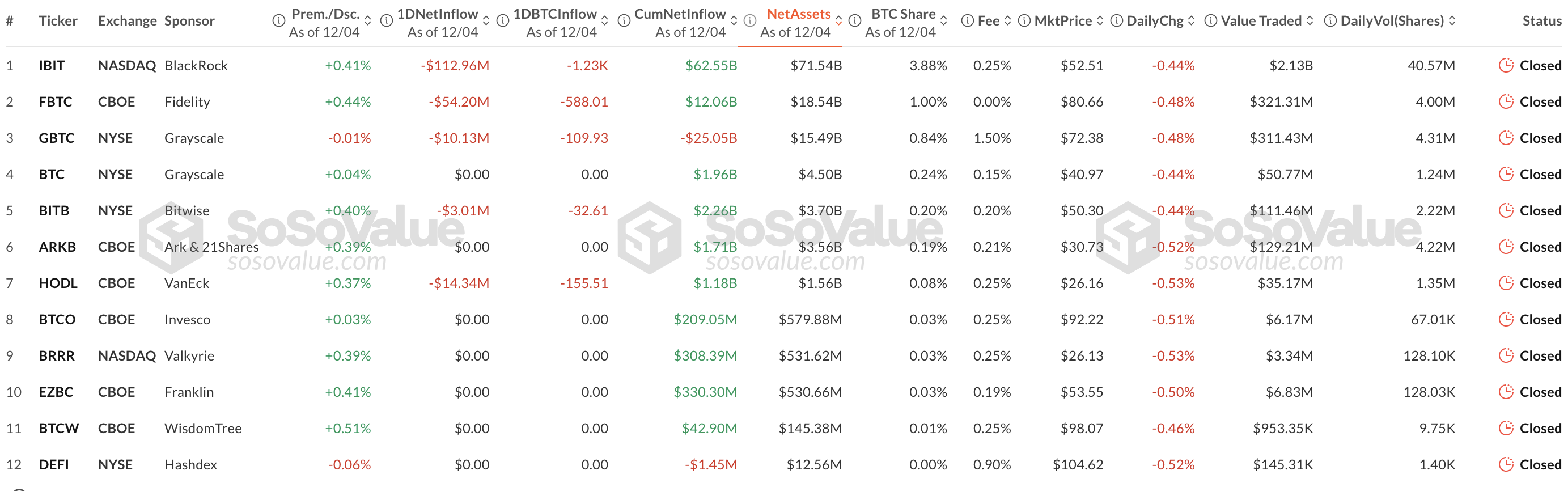
The latest pullback appears to be driven by outflows from U.S. Bitcoin spot ETFs. On Wednesday and Thursday alone, more than $200 million exited institutional products.
Fresh labor market data in the United States also put pressure on risk assets. ADP, a private payroll services firm, reported sharp job losses in November.
Roughly 32,000 positions were eliminated last month, hitting small and mid-sized businesses the hardest. In October, U.S. companies had added 47,000 jobs instead of cutting them.
According to ADP Chief Economist Nela Richardson, hiring conditions have weakened as employers face cautious consumers and an uncertain economic outlook.
Although ADP data is not an official government metric, financial markets treat it as a key indicator for Federal Reserve policy — meaning it can indirectly affect Bitcoin.
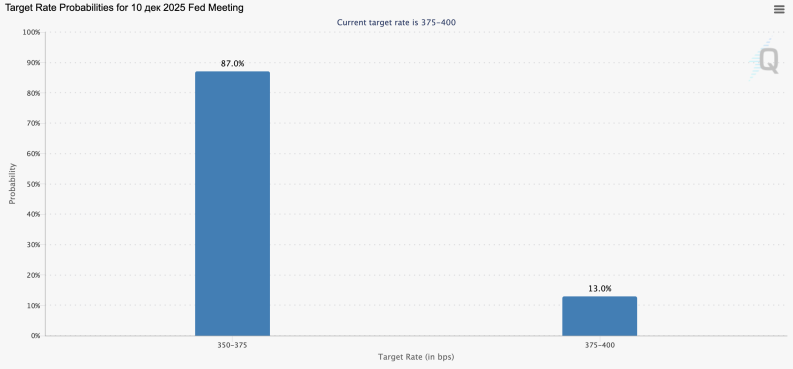
Investors now await the Fed’s upcoming decision on December 10, when policymakers could cut interest rates. A rate cut would likely be bullish for Bitcoin and other risk assets.
The decision may also depend on inflation data expected today from the U.S. Bureau of Labor Statistics (BLS). Due to the recent government shutdown, the release was postponed.
Beyond macroeconomic factors, Bitcoin is under pressure from developments at MicroStrategy, run by Michael Saylor. The company, the largest publicly listed BTC holder, faces potential exclusion from the MSCI index and is reportedly weighing partial Bitcoin sales.
According to analysts at FORECK.INFO, the $92,000 area remains critical. If Bitcoin breaks below this level and fails to recover, the sell-off could accelerate — potentially pushing BTC toward $70,000.