
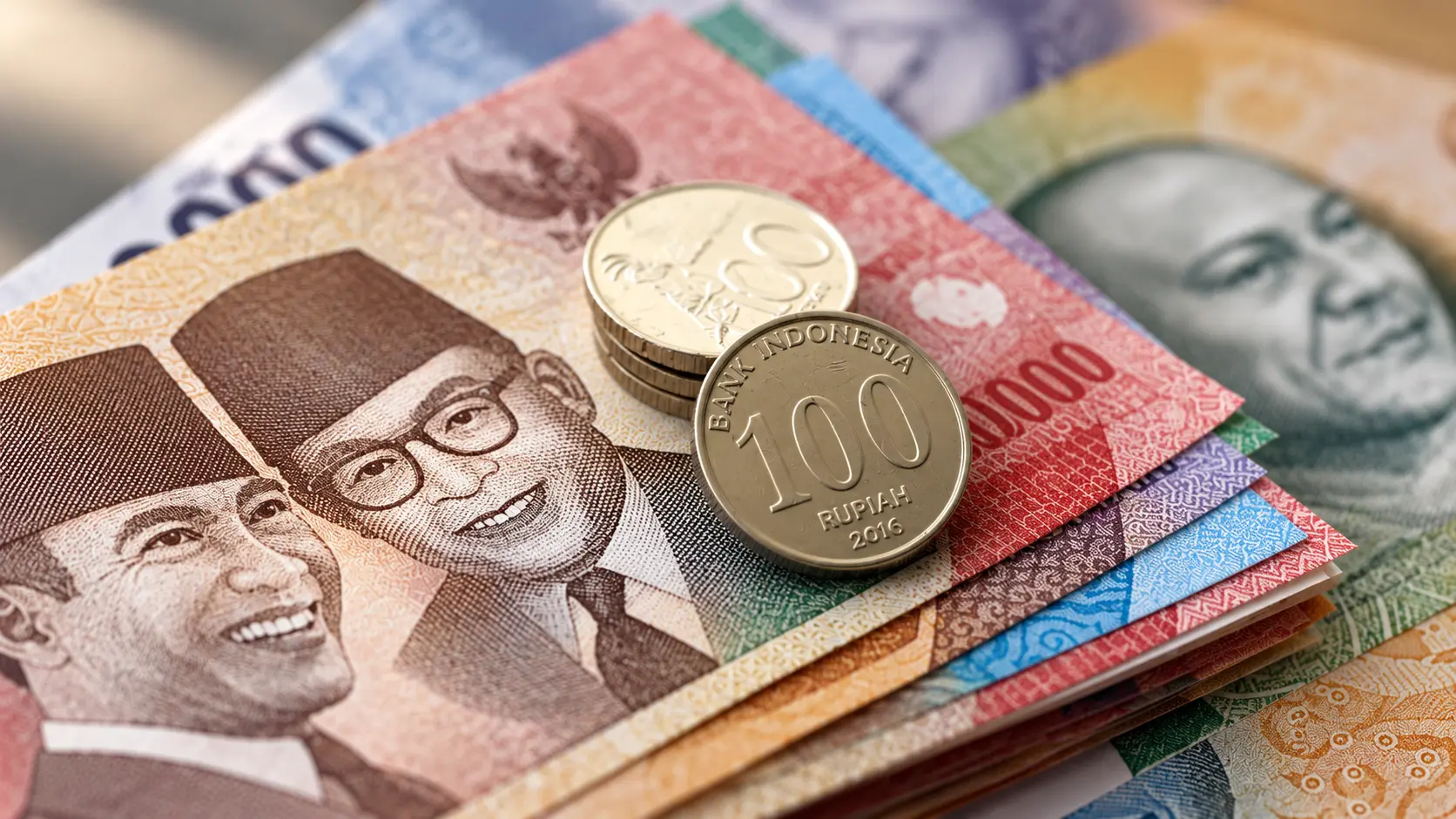
The Jakarta Composite Index (JCI) lost 11.57% to close at 5,185.11 points, its lowest level in nearly six years. The USD/IDR exchange rate moved above 18,000 during Friday's session, with market quotes reaching approximately 18,054–18,070 rupiah per dollar. The decline reflects growing investor concerns that a change in Indonesia's index classification could significantly reduce international demand for the country's equities.
For investors holding Indonesian assets, the main risk is a potential withdrawal of foreign capital. If the country is eventually excluded from major emerging-market benchmarks, funds tracking those indices would need to adjust their portfolios. Additional selling could put further pressure on both local stocks and the national currency.
MSCI Raises Concerns About Indonesia's Market Transparency
The sell-off followed an October 15 announcement by MSCI, which launched a consultation on moving Indonesia from Emerging Market to Standalone Market status. The index provider cited persistent concerns about unclear shareholding structures, suspected coordinated trading activity and insufficient evidence that recent regulatory measures have improved market conditions.
Although Indonesian authorities have introduced additional disclosure requirements and measures aimed at improving transparency, MSCI believes that progress has been inconsistent. The proposed changes include stricter reporting of shareholders with stakes exceeding 1.0% and plans to establish a minimum free float of 15.0%.
The possibility of a Standalone classification is particularly significant because MSCI considers the existing problems too serious for a move to Frontier Market status alone. Such a decision would substantially reduce Indonesia's presence in widely followed international equity benchmarks.
However, the downgrade has not yet been approved. According to the official MSCI announcement, market participants can submit feedback until April 30, 2027, while the final decision is expected by June 30, 2027. The company may reconsider its proposal if Indonesian regulators demonstrate meaningful improvements in market governance and trading practices.
For now, uncertainty surrounding the review is enough to encourage investors to reduce their exposure before any formal decision is made.
Bank Indonesia Steps In as USD/IDR Moves Above 18,000
Pressure on the Indonesian rupiah intensified alongside the decline in equities. As investors moved away from local assets, demand for the US dollar increased, pushing USD/IDR above the psychologically important 18,000 level.
ING's global head of markets, Chris Turner, identified 18,200 as a potential level that Bank Indonesia may attempt to defend through currency intervention. This is an analyst's assessment rather than an official exchange-rate target set by the central bank.
Bank Indonesia has already increased its presence in financial markets. On Friday, Erwin Gunawan Hutapea, head of the central bank's monetary and securities asset management department, confirmed that intervention was continuing through offshore non-deliverable forwards (NDF), domestic spot transactions and domestic non-deliverable forwards (DNDF).
The regulator is also purchasing government securities in the secondary market to support financial stability and prevent excessive volatility. These measures were confirmed by ANTARA News.
Such operations may slow the rupiah's depreciation, but their effectiveness will depend partly on whether foreign investors continue withdrawing funds. Currency intervention alone cannot address the underlying market governance issues highlighted by MSCI.
A weaker rupiah also creates additional risks for Indonesian businesses with US dollar-denominated liabilities. Companies without sufficient currency hedging could face higher debt-servicing costs if USD/IDR continues to rise.
Asian Stock Markets Show Limited Signs of Contagion
Despite the heavy losses in Jakarta, other major Asian stock markets ended Friday's session higher. South Korea's Kospi gained 2.05%, while Japan's Nikkei 225 advanced 1.39%. The Philippine benchmark also rose by 2.11%, suggesting that the Indonesian sell-off had not developed into a broader regional market downturn.
The contrast indicates that investors are treating Indonesia's difficulties primarily as a domestic market issue rather than a reason to reduce exposure across Asia.
Selling pressure in Jakarta was nevertheless substantial. According to IDNFinancials, foreign investors recorded net equity sales of IDR 3.34 trillion on Friday. Trading activity increased sharply, with 812 listed stocks declining and only 11 advancing.
The market also experienced a temporary trading halt after the index dropped approximately 8.0% shortly after opening. Losses continued when trading resumed, affecting several major banking and commodity companies.
These figures illustrate the scale of the equity sell-off, although they do not show how much of the withdrawn capital was subsequently converted into foreign currencies.
What Could Happen Next to Indonesian Stocks and the Rupiah?
The near-term outlook remains uncertain. Investors will be watching the response from Indonesian regulators, further statements from MSCI and the ability of Bank Indonesia to maintain stability in the foreign exchange market.
US monetary policy could become another source of pressure. If the Federal Reserve keeps interest rates elevated while global growth expectations weaken, the dollar may retain an advantage over emerging-market currencies, including the rupiah.
ING's Chris Turner believes that emerging-market currency performance will increasingly depend on developments within individual countries. In Indonesia's case, restoring investor confidence and improving market transparency are likely to be more important than short-term fluctuations in global risk sentiment.
Meanwhile, Crédit Agricole expects support for the US dollar from interest rate differentials to weaken as American growth and inflation moderate in 2027. However, this longer-term scenario offers little immediate relief to Indonesia while capital outflow risks remain elevated.
Analysts at Phintraco Sekuritas also expect negative sentiment to continue into the beginning of next week, as uncertainty surrounding the MSCI review may discourage investors from quickly returning to the market.
For Indonesian equities, the central question is whether authorities can deliver the regulatory improvements demanded by international investors. Until clearer progress emerges, both the Jakarta Composite Index and the rupiah are likely to remain sensitive to foreign investment flows and further MSCI announcements.
Indonesia Stock Market Crash: Frequently Asked Questions
Why did Indonesia's stock market fall so sharply?
Indonesian equities plunged after MSCI proposed moving the country from Emerging Market to Standalone Market status. The announcement raised concerns that international investment funds could reduce their holdings because of unresolved problems involving market transparency and trading practices.
Has MSCI already downgraded Indonesia?
No. MSCI is currently consulting market participants on the proposed reclassification. Feedback will be accepted until April 30, 2027, and a final decision is expected by June 30, 2027.
Could the Indonesian rupiah weaken further?
Further depreciation remains possible if foreign investors continue selling Indonesian assets and increasing demand for US dollars. Bank Indonesia is intervening to reduce exchange-rate volatility, but sustained pressure may persist until confidence in the domestic financial market improves.
