
The latest statistics are cause for concern: Bitcoin’s current market dynamics increasingly resemble the period at the beginning of 2022 — just before a deep market downturn. Around a quarter of the total BTC supply is currently sitting at a loss, the highest level in more than a year. A similar drop below the 0.75 quantile back then marked the start of the 2022 bear trend.
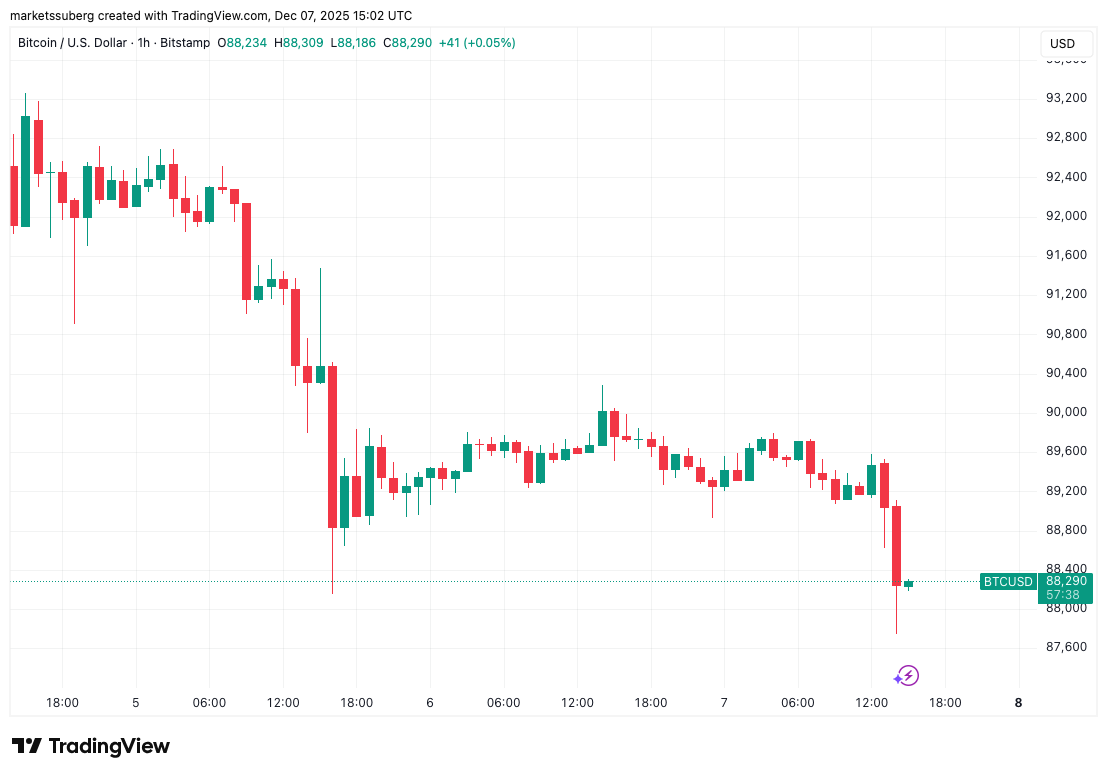
At the same time, the volume of Bitcoin held at a loss, based on a simple 7-day moving average, has reached 7.1 million BTC. This is the upper end of the 5–7 million BTC range observed in early 2022.
In terms of realized net capital flows, which currently stand at almost 8.69 billion USD per month, money is still flowing into Bitcoin. However, this figure remains far below the summer peak of 64.3 billion USD per month.
Demand for ETFs is also weakening. BlackRock’s IBIT fund has now seen outflows for the sixth consecutive week — the longest negative streak since its launch in January 2024.
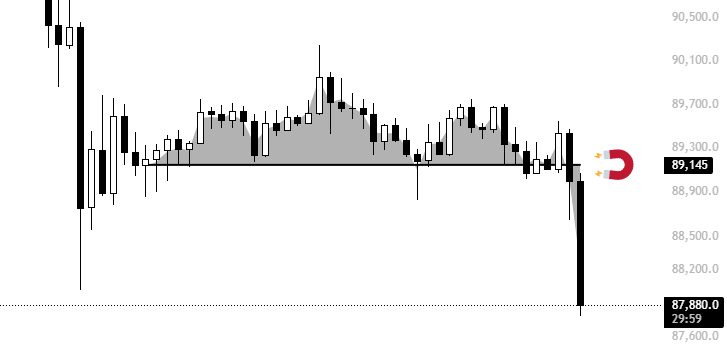
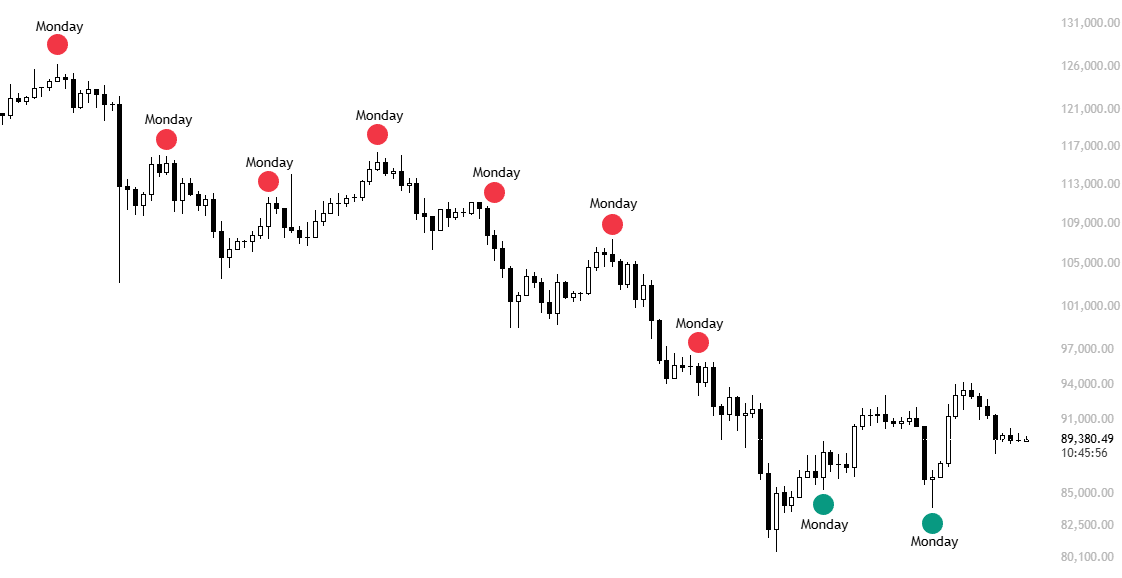
In a separate post, Killa added that Mondays often set the tone for price action for the rest of the week.
“Typically, Mondays establish the key highs and lows, while weekend price action becomes the decisive factor,” he explained.
“If the weekend does not bring any upside, the probability of forming a low on Monday increases. If there is a rally over the weekend, the odds shift toward forming a high on Monday.”
FOMC positions for Fed rate cuts
Meanwhile, market participants are increasingly focused on the key macro event of the week: the U.S. Federal Reserve’s interest rate decision.
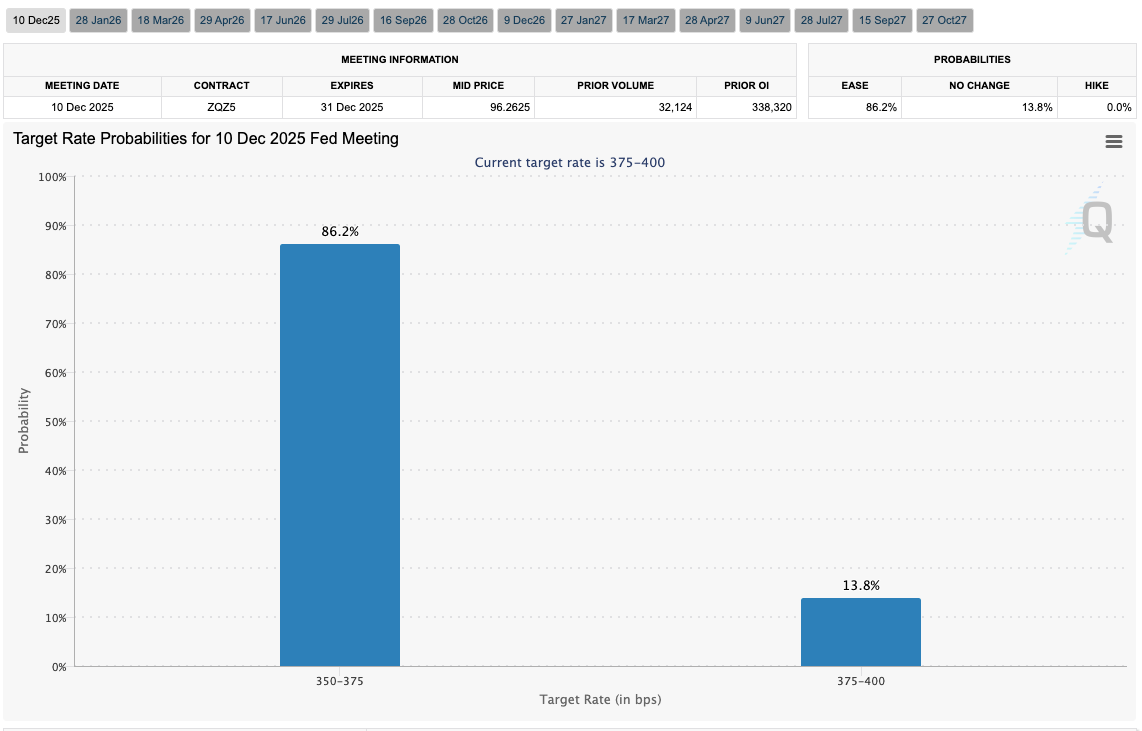
Bitcoin is often pressured by FOMC statements, which can trigger elevated volatility as markets parse Fed officials’ comments for hints about future policy shifts.
Spot market activity is also declining. According to Glassnode data, selling pressure remains elevated not only on Binance. The Coinbase premium has slipped back into negative territory, signaling weaker demand from U.S. buyers.
In addition, open interest has been declining through November and December. Funding rates are largely neutral with brief negative phases. Against the backdrop of recovering equity markets, many investors are wondering why the crypto market continues to look weak.