
Top Pick
- Fully licensed and regulated US exchange
- Strong focus on security and compliance
- User-friendly interface for beginners
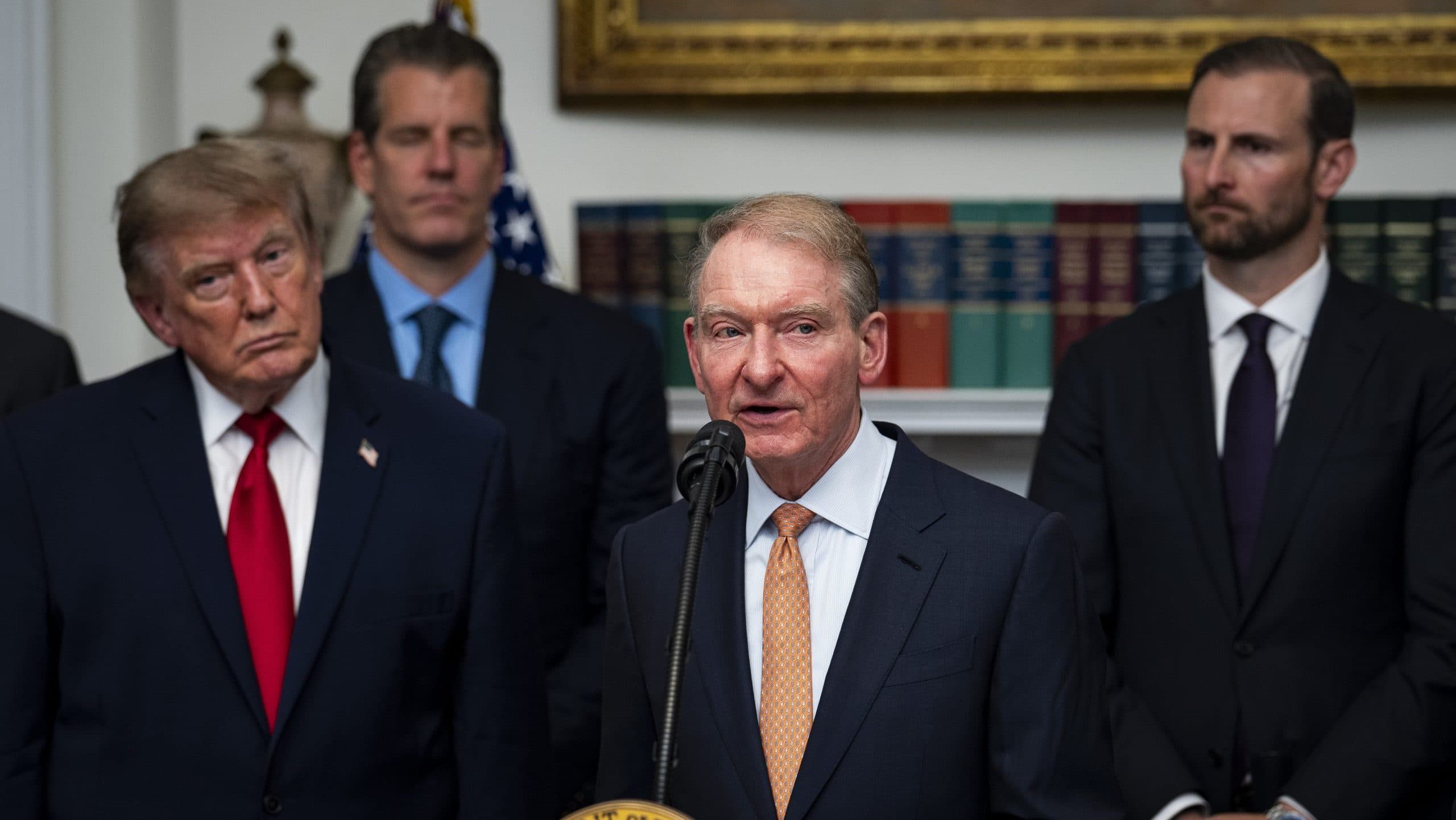
Six major blockchain organizations are calling on the US Securities and Exchange Commission (SEC) to make its classification of digital commodities part of binding crypto regulations. The proposal could affect how exchanges and investors handle tokens such as LINK, ADA, HBAR, APT, AVAX and XLM, particularly when these assets are traded on secondary markets.
 By Andrew Bennett
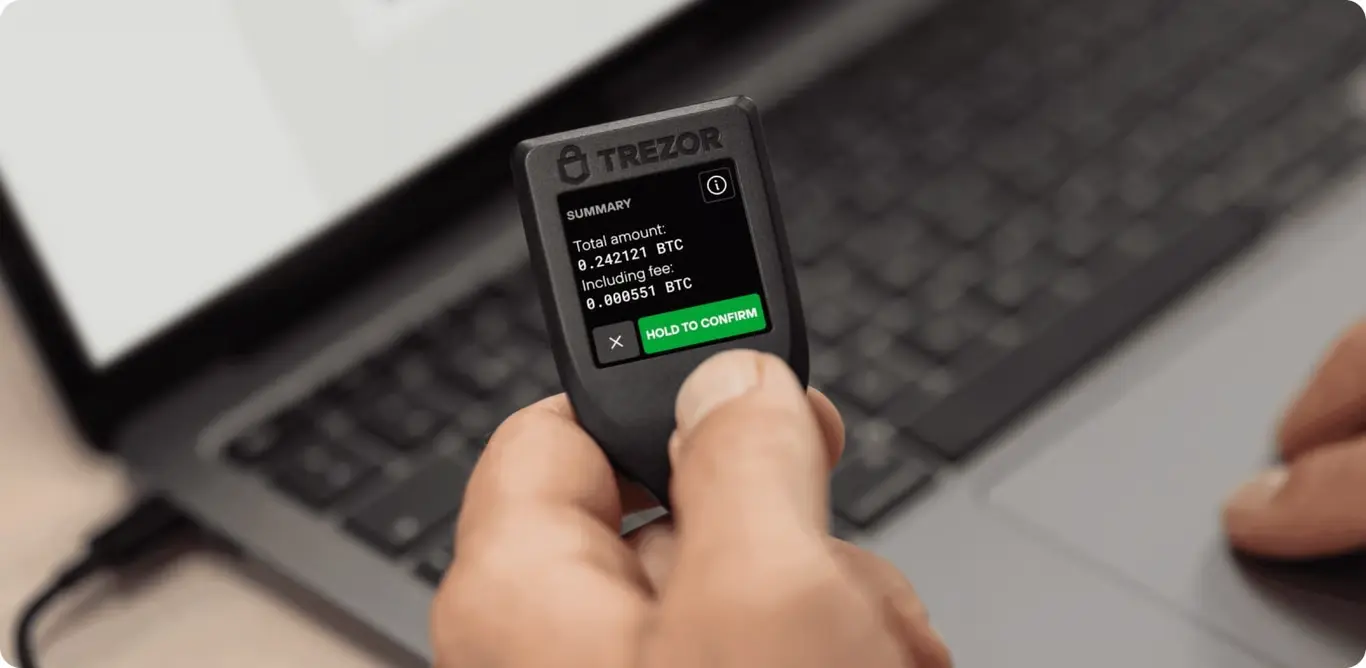
 Trezor users are being targeted by a phishing campaign involving emails reportedly sent from the company’s legitimate domain. The messages urge recipients to update their wallets and aim to steal recovery phrases.
 By John Isige
 DBS and Citi have completed what DBS describes as the first weekend cross-border USD payment between Singapore and the United States using tokenized deposits via Swift Digital Ledger, with the transaction taking just minutes.
 By John Isige
 Ethereum Foundation has identified two EIPs that must ship with the Hegotá upgrade and outlined a roadmap to make Layer 1 quantum-resistant before 2030.
 By John Isige
 Bittensor (TAO) advanced sharply after Nvidia announced a $13 billion agreement to acquire Hugging Face, bringing the $300 level back into focus for the AI-focused token.
 By John Isige
 Zcash has moved above $1,000 after a sharp rally since early August, with renewed interest in financial privacy putting ZEC back in focus.
 By John Isige
 StonkFun has become a new focal point on Solana after moving new token launches to Raydium LaunchLab, allowing liquidity from the launchpad to flow directly into the Raydium ecosystem.
 By John Isige
 US spot Bitcoin ETFs recorded nearly $1 billion in net inflows last week, extending their positive run to three consecutive weeks as institutional demand continued to recover.
 By Andrew Bennett
 Dogecoin is extending its recent recovery into September. The memecoin is trading near $0.09, while verified CryptoRank data show gains of about 9% over seven days and 28% over 30 days.
By John Isige Ethereum may be approaching its next major scaling step. Co-founder Vitalik Buterin says a new transaction format could help the blockchain process more activity faster and more efficiently.
 By John Isige
 More and more tokenized assets are finding their way onto Solana. The blockchain recently recorded higher inflows than Ethereum. Government bonds, funds and other traditional assets are increasingly moving onto the blockchain.
 By John Isige
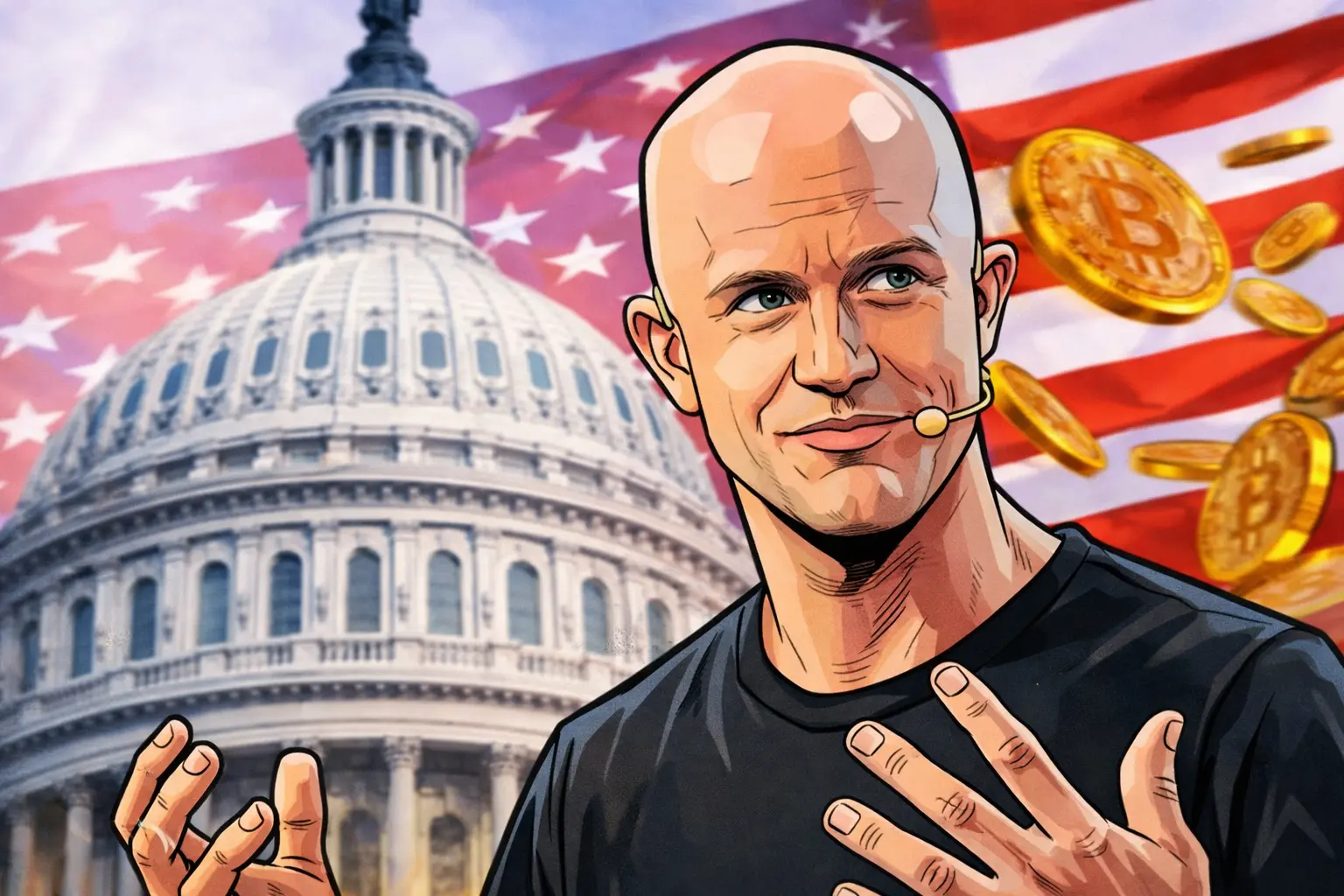
 Coinbase has filed registrations with the U.S. Securities and Exchange Commission as it seeks permission to offer perpetual contracts tracking publicly traded U.S. stocks.
 By John Isige
 Zcash climbed through $1,000 while Bitcoin briefly traded above $82,000 after a softer signal from Federal Reserve Governor Christopher Waller drew buyers back to risk assets. The move lifted the wider crypto market to its highest valuation in more than seven months, although strong US employment data later cooled the rally.


For crypto, the framework is similar to traditional financial markets but comes with its own twist. Here, price action turns on liquidity, adoption, regulation, and flows from institutions alongside retail sentiment. Network health—hash rate, staking, active wallets—adds another layer. Macro still matters too: rates, dollar strength, and risk appetite shape inflows and outflows. Then, as with any market, you use the chart—trend, support and resistance, momentum, and volume—to spot setups and manage risk.