


Top Pick

- Fully licensed and regulated US exchange
- Strong focus on security and compliance
- User-friendly interface for beginners
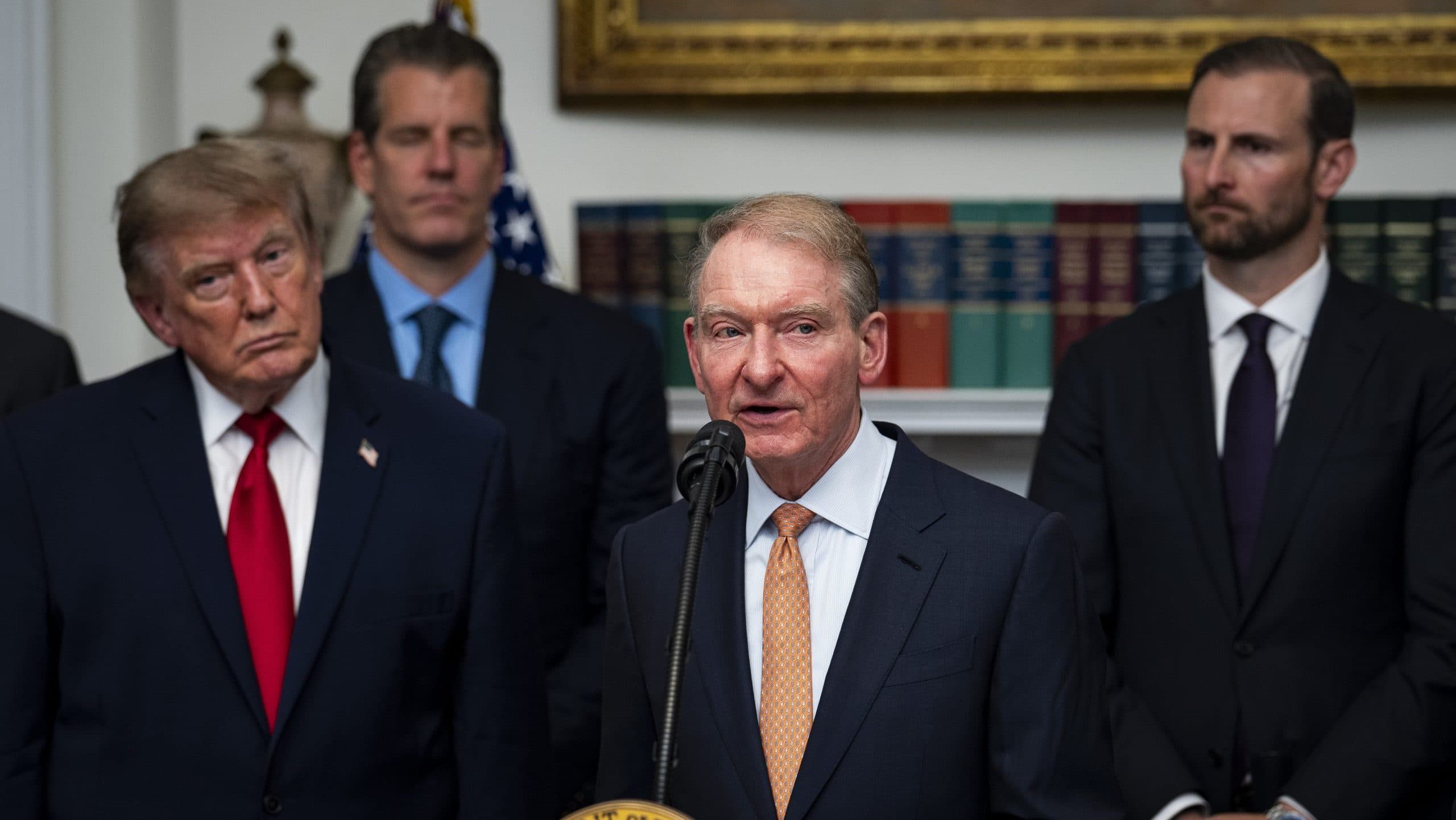
Six major blockchain organizations are calling on the US Securities and Exchange Commission (SEC) to make its classification of digital commodities part of binding crypto regulations. The proposal could affect how exchanges and investors handle tokens such as LINK, ADA, HBAR, APT, AVAX and XLM, particularly when these assets are traded on secondary markets.

 By John Isige
 The Office of the Comptroller of the Currency plans to finalize its regulations implementing the GENIUS Act by November 2026, bringing the United States closer to launching a federal licensing framework for payment stablecoin issuers.

 By Andrew Bennett
 The cryptocurrency market has staged a powerful rebound over the past seven days. At the time of writing, Bitcoin is trading near $76,900, up approximately 22.5% for the week, while Ether is holding around $2,380 after gaining 26.9%. Tether remains close to its dollar peg at $0.9995, BNB has advanced to roughly $674 (+11.6%), and XRP has climbed to about $1.35 (+35.4%), reclaiming fifth place by market capitalization. The total cryptocurrency market cap has risen to approximately $2.58 trillion, while Bitcoin dominance has reached 59.9%. The move marks a sharp reversal from last week’s crypto market pressure driven by ETF outflows and Fed risks.

 By Sergey Lomakin
 BitMEX co-founder Arthur Hayes is returning to an operating role in the crypto industry as head of Flop Labs, a new project developing blockchain infrastructure and a native token for autonomous AI agents.
 By Sergey Lomakin
 The U.S. Treasury Department has moved another major part of the GENIUS Act into formal rulemaking, proposing detailed standards for determining when a payment stablecoin is issued in the United States and when it is offered or sold to U.S. users.
 By John Isige
 BTC/USD remains within the 65,625.00–62,500.00 sideways range, corresponding to the Murrey [6/8]–[4/8] levels. After testing the lower boundary last week, Bitcoin has recovered and is now trading around 63,500.00 as selling pressure eases.
 By John Isige
 Binance is tightening its compliance rules by restricting transactions involving 16 crypto platforms and service providers across a phased rollout, with HTX among the most prominent names affected. Starting August 23, Binance users will no longer be able to freely send funds to or receive assets from HTX and 10 other listed platforms without triggering the exchange's compliance controls.
 By Andrew Bennett
 Tether has completed the first full independent financial statement audit in its 12-year history, with KPMG U.S. issuing an unqualified opinion on the stablecoin issuer's 2025 financial statements. The milestone addresses one of the longest-running questions surrounding the company: whether its finances and reserves could withstand the scrutiny of a full Big Four audit rather than the quarterly attestations Tether has published for years.
 By Andrew Bennett
 SafePal, a popular hardware and self-custody wallet provider covered SafePal wallet review, has disclosed a security incident that exposed order information belonging to nearly 40,000 customers, increasing the risk of highly targeted phishing attacks. The company stressed that seed phrases, private keys and crypto assets stored in SafePal wallets were not compromised.
 By Andrew Bennett
 The cryptocurrency market remains under pressure this week as investors weigh weaker institutional flows against persistent geopolitical, monetary and regulatory uncertainty. At the time of writing, Bitcoin is trading near $63,000, Ethereum around $1,878, BNB close to $606, while USDT and USDC remain near their $1.00 pegs. Total cryptocurrency market capitalization is approximately $2.24 trillion, with Bitcoin dominance around 56.3%.
 By Andrew Bennett
 The U.S. Commodity Futures Trading Commission has invoked its emergency authority after prediction market operator Kalshi warned that a lawsuit filed by New York could cause a major disruption to its federally regulated exchange and the broader U.S. event-contract market.
 By John Isige
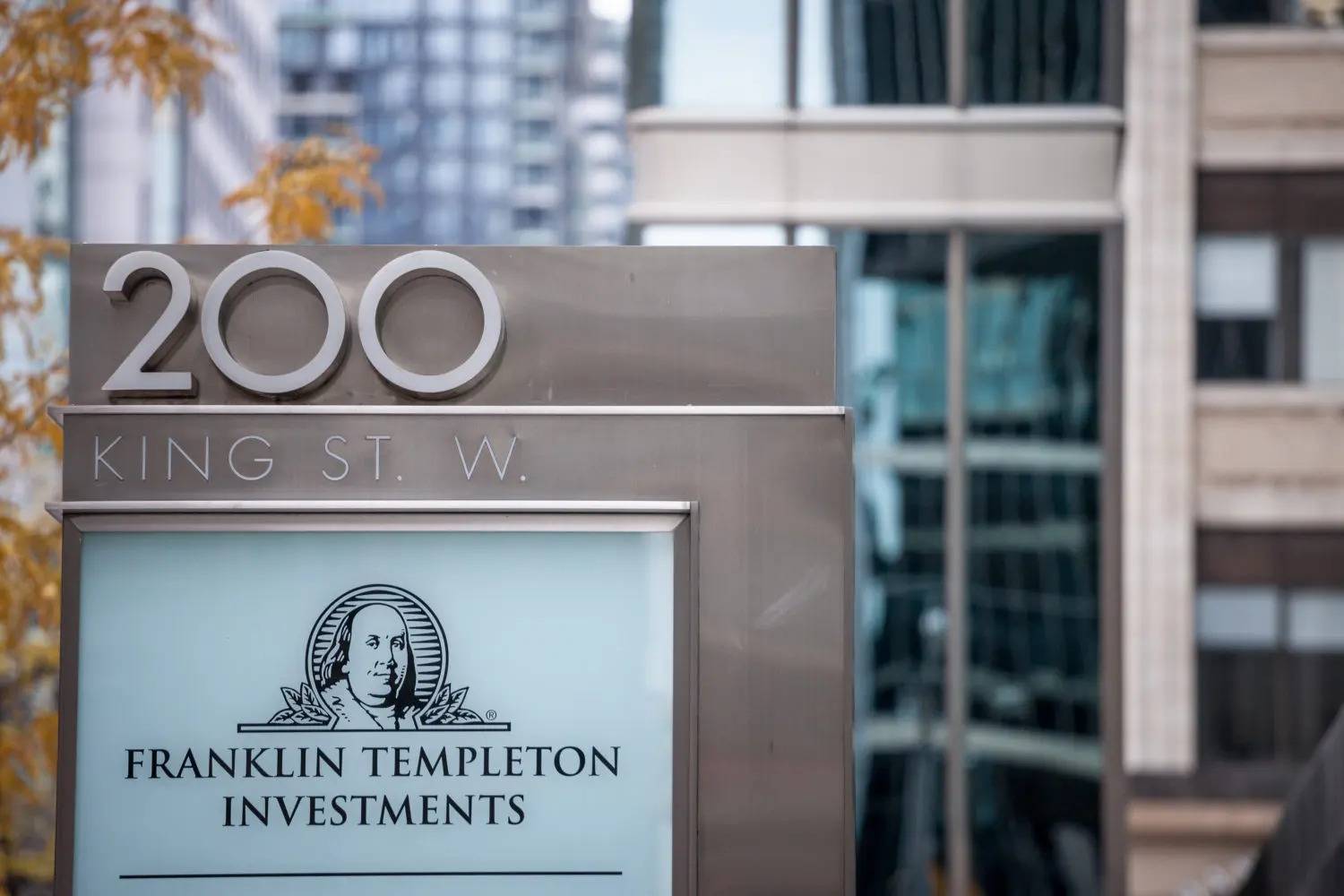
 The U.S. Securities and Exchange Commission's Division of Investment Management has issued a no-action position that clears a regulatory path for certain Franklin Templeton funds to hold shares of the Franklin OnChain U.S. Government Money Fund (FOBXX), represented by BENJI tokens, for cash-management purposes.
 By John Isige
 For roughly three months, XRP/USD traded sideways within the 1.1718–1.0253 range, corresponding to the Murrey [4/8]–[1/8] levels. Since mid-July, however, the pair has resumed its decline amid uncertainty surrounding delayed Senate consideration of the CLARITY Act. The legislation is intended to establish a broader US regulatory framework for digital assets, but it does not specifically classify XRP as a non-security. XRP's legal treatment remains tied to the Ripple case, in which the court did not find XRP itself to be inherently a security, while certain institutional sales were treated as investment contracts.


For crypto, the framework is similar to traditional financial markets but comes with its own twist. Here, price action turns on liquidity, adoption, regulation, and flows from institutions alongside retail sentiment. Network health—hash rate, staking, active wallets—adds another layer. Macro still matters too: rates, dollar strength, and risk appetite shape inflows and outflows. Then, as with any market, you use the chart—trend, support and resistance, momentum, and volume—to spot setups and manage risk.